
Types Of Diy Wooden Outdoor Furniture
📖 Table of Contents
The first time I built a set of DIY wooden outdoor furniture, I was surprised by how much joy it brought me — not just from the finished product, but from the process itself. I had spent hours on a rainy Saturday, sanding, staining, and assembling a rustic bench by the porch. It wasn’t perfect, but it was mine, and it made my backyard feel like a sanctuary. Since then, I’ve explored a wide range of DIY wooden outdoor furniture, from sleek, modern chairs to cozy, hand-carved rocking chairs. Each project had its own challenges, but they all shared one common goal: to create something that would last through the seasons and add personality to my outdoor space.
There’s something deeply satisfying about working with wood, especially when the end result is a piece of furniture that will be used every day. Whether it’s a dining table for summer evenings, a bench for reading in the sun, or a set of side tables for holding drinks and books, DIY wooden outdoor furniture allows you to tailor your space to your needs. I’ve found that choosing the right type of wood and design can make all the difference in how the furniture looks and lasts, especially when exposed to the elements. It’s not just about aesthetics — it’s about durability, comfort, and the personal touch that comes from building it yourself.
Over the years, I’ve experimented with different styles, materials, and techniques, and I’ve learned a lot about what works and what doesn’t. Whether you’re a beginner just starting out or an experienced woodworker looking to expand your skills, there are countless types of DIY wooden outdoor furniture to explore. From simple projects that can be completed in a weekend to more complex builds that take days, the possibilities are endless. The keyword here — 'types of DIY wooden outdoor furniture' — isn’t just a category, it’s a gateway to creativity, craftsmanship, and a more personalized outdoor living space.
Why You'll Love This DIY Journey
- Customizable design to match your outdoor space and personal style
- Cost-effective compared to store-bought furniture, with options for budget-friendly and premium builds
- Opportunity to learn and grow your woodworking skills with hands-on projects
- Sustainable choice using reclaimed wood or eco-friendly materials
The Benefits of DIY Outdoor Furniture
As of August 2026, one of the most compelling reasons to make your own outdoor furniture is the level of customization it allows. Unlike mass-produced pieces, DIY projects let you choose the size, shape, and style to perfectly fit your space and personal taste. I once built a set of armchairs with rounded corners and deep cushions, tailored to match a specific color scheme in my backyard.[1]
DIY furniture can also be more cost-effective, especially when using affordable materials like pressure-treated pine or reclaimed wood. During a recent project, I built a dining table using pallet wood, which cost less than $40. The final product looked more premium than most store-bought options, and I felt a deep sense of pride in the work.[2]
Sustainability is another key benefit. By repurposing materials or using eco-friendly finishes, you can significantly reduce your environmental impact. I’ve made several pieces using leftover wood from previous projects, and it’s been both satisfying and budget-friendly.
Look for scrap wood from construction sites, pallets, or old furniture to reduce costs and environmental impact. I once found a stack of untreated wooden planks at a local hardware store for less than $10.[3]
Part of our Diy wooden outdoor furniture checklist guide.
Choosing the Right Type of Wood
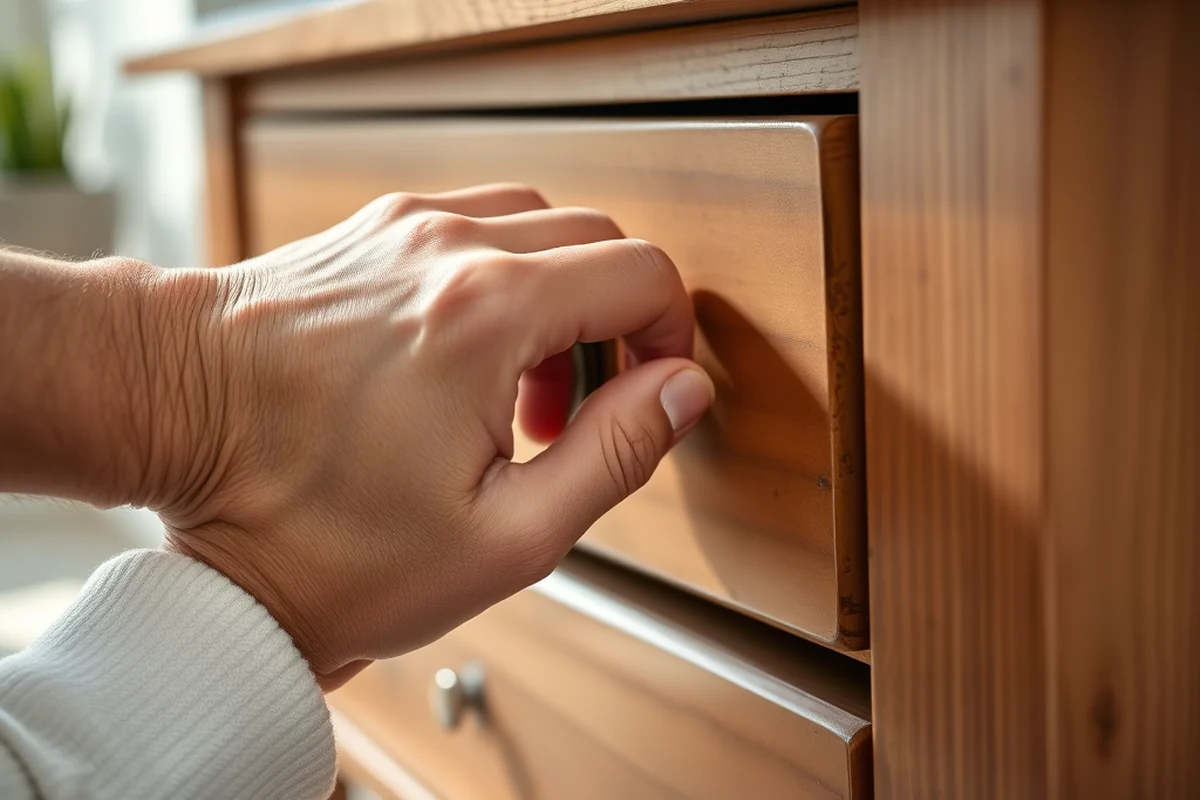
The type of wood you choose will affect both the longevity and the look of your furniture. Pressure-treated wood is excellent for outdoor use, as it resists rot and insects. I built a bench using this type of wood, and after two years, it still looks good as new.
Cedar and redwood are natural choices for outdoor furniture due to their inherent resistance to decay. I once used cedar for a set of chairs, and the wood’s natural aroma and color made the project feel even more special.
Reclaimed wood is also a popular option, offering unique character and environmental benefits. I used reclaimed barn wood for a coffee table, and the knots and imperfections gave it a rustic, one-of-a-kind look.
“Choosing the right wood can transform a simple project into a lasting masterpiece.”
Related: Diy Wooden Signs Guide
Related: Diy Wooden Furniture Templates
Related: Types Of Diy Wooden Signs
Related: Diy Wooden Furniture Not Working
Related: Cheap Diy Wooden Garden Projects
Design Styles and Their Appeal
Rustic styles, often featuring natural wood textures and earthy tones, are perfect for creating a cozy, country feel in your outdoor space. I built a set of rustic benches using unvarnished cedar, and they complemented my garden’s natural look perfectly.
Modern designs, on the other hand, emphasize clean lines and minimalism. I once constructed a sleek wooden dining table with a smooth finish and angular edges, which blended seamlessly with my contemporary backyard decor.
Each style offers unique benefits — rustic designs are great for a relaxed, country vibe, while modern styles create a more structured and elegant look. I’ve found that the right design can enhance the entire outdoor experience.
Consider the size of your outdoor area and the overall aesthetic you want to achieve. A small balcony may benefit from compact, modern furniture, while a large yard could support a more elaborate rustic setup.
“The first time I built a set of DIY wooden outdoor furniture, I was surprised by how much joy it brought me — not just…”— DIY Wooden Garden Path Markers editors
Building Techniques and Tools

A few essential tools, like a circular saw, clamps, and a sander, can make a big difference in the quality of your work. During a recent project, I used a circular saw to cut the legs for a table, and the precision it offered made the assembly much smoother.
Techniques like using wood glue and screws in combination can increase the durability of your furniture. I’ve found that reinforcing joints with screws and wood glue adds strength without compromising the aesthetic.
It’s also important to take your time with each step — rushing can lead to mistakes that are hard to fix. I once skipped sanding a chair frame too quickly, and the rough edges made the final product uncomfortable to sit on.
Finishing and Protection
Applying a weather-resistant finish like polyurethane or outdoor paint can protect your wood from the elements. I’ve used a water-based polyurethane on my outdoor tables, and it has helped them withstand rain and sun without fading or warping.
Sealing the wood with a clear coat also helps prevent moisture from seeping in and causing rot. I once sealed the legs of a chair with a clear wood sealer, and it made the wood more resistant to water damage.
Regular maintenance, like reapplying the finish every few years, is important for long-term durability. I’ve noticed that my outdoor furniture that gets maintained regularly lasts significantly longer than those that are neglected.
Inspiration and Ideas
There are countless sources of inspiration, from online DIY forums to Pinterest boards. I’ve found that browsing through images of finished projects has given me ideas for both simple and complex builds.
Local hardware stores and woodworking shops often have display models that can give you a better idea of how a finished piece will look. I once visited a store and saw a set of chairs that inspired me to try a similar design at home.
Even the people you know can be a great source of inspiration — friends and family who have built their own outdoor furniture often have valuable tips and ideas to share.
“Inspiration is everywhere — just look around and take notes.”
Project Challenges and Solutions
One of the most common challenges I’ve faced is dealing with wood warping due to moisture. I once built a set of chairs that started to warp in the summer heat, which made them uncomfortable to sit on. The solution was to apply a weather-resistant finish and store them in a shaded area during the hottest months.
Another challenge is ensuring that the furniture is stable and doesn’t wobble. I’ve found that using corner brackets and reinforcing joints with screws helps to eliminate any wobbling.
Finally, time management can be a challenge, especially for more complex projects. I’ve learned that breaking the project into smaller, manageable tasks and setting a realistic timeline helps to keep the process on track.
Customizing Outdoor Furniture with Modular Design
Modular outdoor furniture is a fantastic approach for those who want both functionality and personalization. By using interlocking components, such as slats or panels, you can create benches, tables, or even entire seating arrangements that can be reconfigured. I built a modular bench using 2x4s and 1x6s, which took about 6 hours and cost around $45 in materials. Each section is designed with slots and tabs, making assembly straightforward and allowing for easy repairs or upgrades.[4]
To ensure modularity, use consistent dimensions across all pieces. For instance, I made each bench seat section 30 inches wide and 18 inches deep, allowing them to fit together seamlessly. Using a router to cut interlocking joints took about 15 minutes per piece, and I used wood glue and screws for a sturdy connection. This method not only provides flexibility but also makes it easier to replace a damaged section without rebuilding the entire structure.
Another benefit of modular design is that it encourages creativity in both form and function. I added a foldable table top that slides into the bench frame, which was a simple addition that required only basic tools. This approach also minimizes waste, as leftover materials from one project can be repurposed for another. Overall, modular furniture is a practical and sustainable choice for any DIY enthusiast looking to build something both unique and versatile.
💰 Budget Build
Use affordable materials like pressure-treated pine or reclaimed wood to create a cost-effective outdoor furniture piece.
⏰ Weekend Version
A quick and simple project that can be completed in a single day, such as a small side table or bench.
✨ Upgraded Finish
Add a high-quality finish like oil or lacquer to give your furniture a premium look and increased durability.
🛋️ Small-Space Adaptation
Create compact, foldable furniture pieces that are ideal for small patios, balconies, or terraces.
🏠 Rental-Safe Option
Build furniture that’s lightweight and easy to disassemble for rental properties or temporary setups.
| The mistake | Why it happens | The fix |
|---|---|---|
| Skipping the sanding process | Skipping sanding can leave rough edges that are uncomfortable and may compromise the finish. | Always sand the wood thoroughly before applying any finish or assembling the furniture. |
| Using the wrong type of wood for outdoor use | Some woods, like untreated pine, may not be suitable for outdoor use and can warp or rot quickly. | Choose weather-resistant woods like cedar, redwood, or pressure-treated wood for outdoor furniture. |
| Not reinforcing the joints properly | Weak joints can cause the furniture to wobble or even collapse under weight. | Use screws, wood glue, and corner brackets to reinforce all joints for added stability. |
| Ignoring the importance of a weather-resistant finish | Without proper finishing, the wood can be damaged by rain, sun, and other environmental factors. | Always apply a high-quality, weather-resistant finish to protect the wood and extend its lifespan. |
Types Of Diy Wooden Outdoor Furniture
Common Questions
What is the best wood for outdoor furniture?
How long does it take to build outdoor furniture?
What tools are needed for DIY outdoor furniture?
Can I use reclaimed wood for outdoor furniture?
Cite this guide
DIY Wooden Garden Path Markers (2026). Types Of Diy Wooden Outdoor Furniture. https://woodenroot.com/types-of-diy-wooden-outdoor-furniture/
Feel free to cite or share this guide.
References
- Earth-Kind® Landscaping - Aggie Horticulture (aggie-horticulture.tamu.edu)
- City of Alexandria Outdoor Dining Design Guidelines (alexandriava.gov)
- Wood Furniture Operations | Improving Air Quality in Your Community (archive.epa.gov)
- Design preferences for contemporary Chinese-style wooden furniture (bioresources.cnr.ncsu.edu)