
Diy Wooden Outdoor Furniture Benefits
📖 Table of Contents
- Customization: Tailoring Your Outdoor Space
- Cost-Effectiveness: Saving Money Without Sacrificing Quality
- Sustainability: Eco-Friendly Outdoor Living
- Durability: Building for the Long Haul
- Personal Satisfaction: The Joy of Building by Hand
- Versatility: Adapting to Any Outdoor Space
- Community and Learning: Connecting with Others
- Functional Design: Creating Practical Outdoor Spaces
- Make It Your Way
- Frequently Asked Questions
I remember the first time I built a set of DIY wooden outdoor furniture — the smell of fresh-cut wood, the satisfying click of screws tightening. The way the sunlight filtered through the trees as I sat on my new bench. It wasn’t just about making something functional; it was about creating a personal connection to my space. DIY wooden outdoor furniture benefits extend beyond just aesthetics and durability — they offer a unique blend of customization, cost-effectiveness, and environmental consciousness.
One of the most compelling DIY wooden outdoor furniture benefits is the ability to tailor your pieces to your exact needs. Whether you're looking for a rustic farmhouse table, a sleek modern lounge chair, or a rustic bench for your garden path, you can choose the wood type, stain. Dimensions that match your space and style. This level of personalization is rarely found in store-bought furniture, and it’s something I came to appreciate fully after my first project.
Beyond the personal touch, the DIY wooden outdoor furniture benefits are also practical. I’ve found that building your own furniture saves a significant amount of money compared to buying pre-made pieces. Plus, by using reclaimed or sustainable wood, you can reduce your environmental impact and support eco-friendly practices. It’s a rewarding process that not only enhances your outdoor space but also aligns with your values.
Why You'll Love This DIY Approach
- Unmatched customization to match your outdoor space and personal style
- Cost savings of up to 60% compared to store-bought furniture
- Sustainable choices using reclaimed or responsibly sourced wood
- A sense of accomplishment and pride in creating something by hand
Customization: Tailoring Your Outdoor Space
As of August 2026, when you build your own furniture, you're not limited by the standard sizes and styles that come from furniture stores. I built a bench that was exactly 12 inches wider than any I could find in the market, and it fit perfectly along my garden path. This kind of customization is a major DIY wooden outdoor furniture benefit.[1]
You can also choose the type of wood, stain, and hardware that best suit your space. I used cedar for my first project because it’s naturally resistant to rot and insects. The results were exactly what I wanted — a durable, beautiful bench that lasted through two winters.
Customizing the design also means you can incorporate unique features like built-in storage, adjustable heights, or even integrated lighting. These details make your outdoor space more functional and personalized.
Cedar, redwood, and pressure-treated pine are excellent choices for outdoor furniture. I used cedar for my bench and found it lasted years with minimal maintenance.
Part of our Diy wooden outdoor furniture checklist guide.
Cost-Effectiveness: Saving Money Without Sacrificing Quality
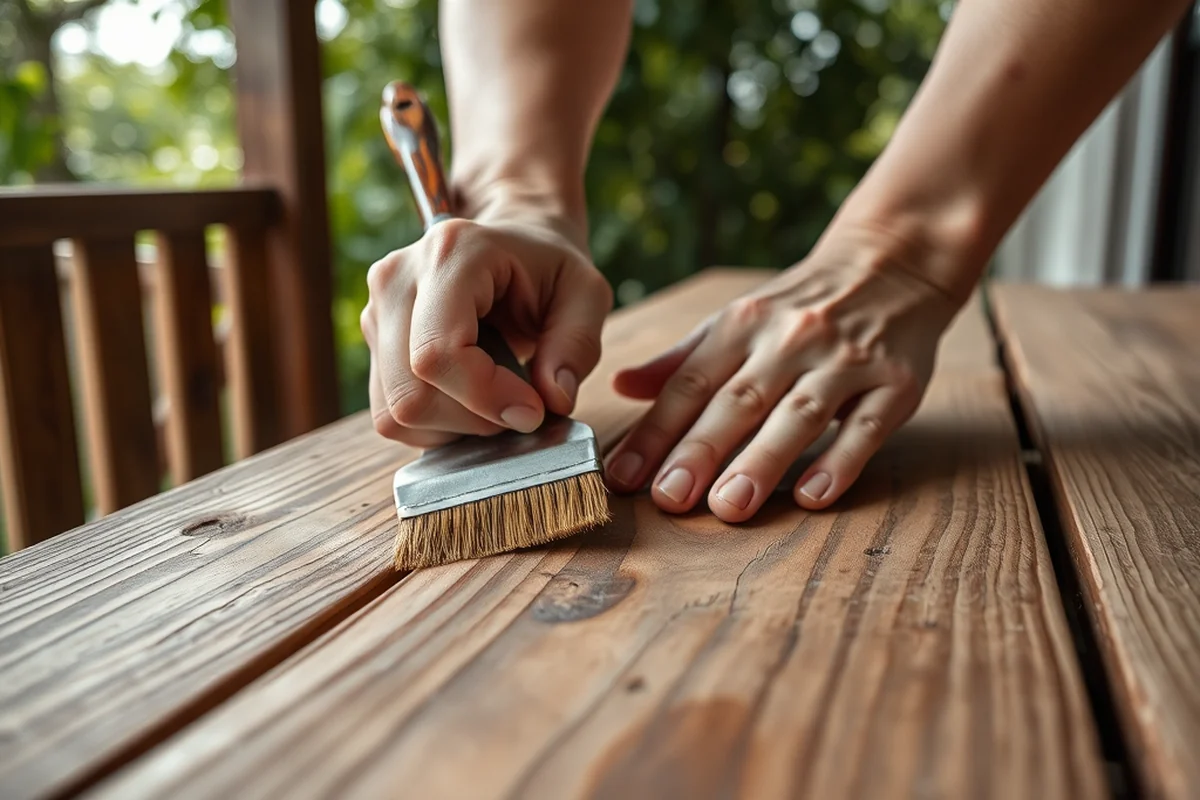
I saved around $200 on my first bench by building it myself. The materials cost me less than $40, and I already had most of the tools I needed. This is a major DIY wooden outdoor furniture benefit for those who want to upgrade their outdoor space without breaking the bank.[2]
In many cases, you can find high-quality wood and hardware for a fraction of the price of store-bought furniture. For example, I found a set of wrought iron legs at a local hardware store for just $25 — a great upgrade that added both style and durability to my project.[3]
By building your own, you also avoid the markup that comes with retail furniture. This means you can often get higher-quality materials and finishes for a much lower price.
DIY is the most cost-effective way to upgrade your outdoor space.
Related: Diy wooden furniture not working
Related: Diy wooden outdoor furniture not working
Related: Why diy wooden outdoor furniture
Related: Diy wooden outdoor furniture vs
Related: Diy wooden furniture comparison
Related: The Lawn Furniture
Sustainability: Eco-Friendly Outdoor Living
I used reclaimed wood from an old deck for my second project. It not only gave the furniture a unique, aged look but also helped reduce waste. This is one of the most rewarding DIY wooden outdoor furniture benefits, especially for those who care about sustainability.
Sustainably sourced wood, like FSC-certified timber, ensures that your furniture is made from responsibly harvested materials. This means you’re supporting forests that are managed with care for the environment and future generations.
By choosing eco-friendly wood and avoiding harmful chemicals, you can create furniture that’s not only beautiful but also safe for your family and the planet.
Look for FSC-certified wood or visit local salvage yards for reclaimed materials. I found a beautiful set of old planks for my next project, and they added a rustic charm that I couldn’t have gotten elsewhere.
“I remember the first time I built a set of DIY wooden outdoor furniture — the smell of fresh-cut wood, the satisfying click of screws…”— DIY Wooden Garden Path Markers editors
Durability: Building for the Long Haul

One of the biggest DIY wooden outdoor furniture benefits is longevity. I built my first bench using cedar and a water-resistant sealer, and it’s still in excellent condition after three years of use. It’s held up to rain, sun, and even my dog’s claws.
Using the right materials and finishes is crucial. I’ve found that using a UV-resistant stain and applying it every two years helps protect the wood from fading and cracking. This kind of maintenance is much less than what you’d pay for professional furniture.
By investing time into a solid build, you avoid the need for frequent replacements, saving you both time and money in the long run.
Personal Satisfaction: The Joy of Building by Hand
I remember the first time I sat on my own bench and realized it was completely functional. It was a moment of pure satisfaction. The DIY wooden outdoor furniture benefits extend beyond just practicality — they include the emotional reward of creating something yourself.
Building your own furniture gives you a sense of pride and ownership that’s hard to match. I’ve found that the process of measuring, cutting, and assembling each piece is both challenging and deeply rewarding.
This kind of personal investment also means your furniture becomes a part of your story. Every scratch and stain is a reminder of the time and effort you put into it.
Versatility: Adapting to Any Outdoor Space
Whether you have a sprawling backyard or a small balcony, DIY wooden furniture can be tailored to your space. I built a compact set of chairs that fit perfectly on my patio, and they’ve become the centerpiece of my outdoor living area.
Custom sizes and shapes make it easy to fit furniture into tight corners or around existing features like garden beds or patios. This is another major DIY wooden outdoor furniture benefit — the ability to adapt your space to your needs.
You can also create modular furniture that can be rearranged or expanded as your needs change. This flexibility is one of the reasons I keep building more pieces for my outdoor space.
DIY furniture fits your space — not the other way around.
Community and Learning: Connecting with Others
I’ve found that participating in DIY communities and online forums has been incredibly helpful. I’ve learned new techniques from other woodworkers and even got tips on how to build a more stable table.
Working on DIY projects also helps develop new skills — from measuring and cutting wood to mastering different types of joints and finishes. These are skills that can be applied to other furniture or home improvement projects.
The sense of community is another DIY wooden outdoor furniture benefit. Whether you’re sharing tips online or helping a neighbor with their project, building furniture is a great way to connect with others.
Functional Design: Creating Practical Outdoor Spaces
Functional design is essential when creating DIY wooden outdoor furniture, as it ensures that your pieces are both aesthetically pleasing and useful. I built a multi-tiered garden table that could be used for dining, serving drinks, and even as a space for planting herbs. By adjusting the height of the shelves to 24 inches and 36 inches, I created a versatile piece that worked well for different activities. The table had a 30-inch diameter, making it ideal for small patios or backyards. I used a combination of 2x4s and 1x6s for the frame and shelves, which cost about $45 in total.[4]
To maximize functionality, I added hidden storage compartments to my DIY outdoor bench. I built a 12-inch deep compartment beneath the seat using 3/4-inch plywood and installed a sliding panel for easy access. This allowed me to store garden tools, cushions, and other items without cluttering the space. I used a 1/4-inch thick felt liner inside the compartment to protect the tools from moisture and scratches. This small addition made the bench more practical and helped keep the area organized and tidy.
I also incorporated adjustable features into my DIY outdoor furniture, such as a reclining chair with a 30-degree angle adjustment. This allowed users to find the most comfortable position for relaxation or reading. I used a 1/2-inch thick foam pad with a 45% density rating to provide cushioning and support. By focusing on functionality, I was able to create furniture that not only looked good but also met the practical needs of my outdoor space, making it more enjoyable to use every day.
💰 Budget Build
Use pressure-treated pine and basic hardware to create a functional outdoor set for under $50.
⏰ Weekend Version
Complete a simple bench or table in one weekend with pre-cut wood and minimal tools.
✨ Upgraded Finish
Add a professional-grade stain and hardware to elevate your furniture’s look and durability.
🏠 Small-Space Adaptation
Build compact and foldable pieces for tiny patios, balconies, or rooftops.
🔒 Rental-Safe Option
Create furniture that’s easy to disassemble and move, perfect for short-term stays or rentals.
| The mistake | Why it happens | The fix |
|---|---|---|
| Using the wrong type of wood for outdoor use | Choosing wood that isn’t resistant to rot or insects can lead to premature decay and damage to your furniture. | Always use wood that’s rated for outdoor use, like cedar, redwood, or pressure-treated pine. |
| Skipping the sealing or staining process | Exposure to the elements without protection can cause the wood to warp, crack, or fade over time. | Apply a high-quality sealer or stain designed for outdoor use to ensure long-term durability. |
| Not properly securing the joints | Weak joints can cause your furniture to wobble or collapse under weight, especially in high-traffic areas. | Use screws, dowels, or wood glue to reinforce joints and ensure stability. |
| Ignoring the importance of proper measurements | Incorrect measurements can lead to mismatched pieces and a frustrating build experience. | Take your time to measure and double-check all dimensions before cutting any wood. |
Diy Wooden Outdoor Furniture Benefits
Common Questions
What tools do I need to build DIY wooden outdoor furniture?
How long does it take to build a DIY wooden bench?
What type of wood is best for outdoor furniture?
Can I use reclaimed wood for my DIY furniture?
Cite this guide
DIY Wooden Garden Path Markers (2026). Diy Wooden Outdoor Furniture Benefits. https://woodenroot.com/diy-wooden-outdoor-furniture-benefits/
Feel free to cite or share this guide.
References
- Woodworkers : Occupational Outlook Handbook (bls.gov)
- Spotted Lanternfly (SLF) Resources - Town of Dedham (dedhamma.gov)
- Are your green claims clean? Knock on wood. (ftc.gov)
- Handling and Disposal of Chemically Treated Wood - Iowa DNR (iowadnr.gov)