
Diy Wooden Outdoor Furniture Not Working
📖 Table of Contents
- Choosing the Right Wood for Outdoor Use
- The Importance of Sealing and Finishing
- Understanding Wood Expansion and Contraction
- The Role of Proper Joinery in Outdoor Furniture
- Choosing the Right Fasteners for Outdoor Use
- The Impact of Weight and Load on Outdoor Furniture
- Maintaining Your Outdoor Furniture Over Time
- Make It Your Way
- Frequently Asked Questions
There’s a certain satisfaction in crafting your own wooden outdoor furniture. After a few days of use, I found myself scratching my head — my DIY project was sagging, splintering, and not holding up under the sun and rain. I had followed online tutorials, used the right tools, and even chose a wood I thought was durable. But the reality was far from ideal. The experience was frustrating, but it also taught me a lot about what works and what doesn’t in DIY wooden outdoor furniture not working.[4]
The problem wasn’t just one thing; it was a combination of materials, techniques, and weather exposure. My first build, a simple bench made from untreated pine, lasted only a few weeks before the wood warped and the paint cracked. It was a valuable lesson in understanding how to approach DIY wooden outdoor furniture not working — and how to avoid the same mistakes the next time.
Since then, I've tested several methods and materials, and I’ve learned exactly what goes wrong and how to fix it. Whether it’s using the wrong fasteners, skipping the sealing process, or not accounting for expansion and contraction, there are many pitfalls. But with a little knowledge and the right approach, you can avoid DIY wooden outdoor furniture not working — and create a piece that lasts for years.
Why You'll Love This Project
- Create durable, long-lasting outdoor furniture with the right techniques and materials.
- Save money by avoiding costly mistakes and learning from common DIY pitfalls.
- Personalize your outdoor space with custom designs and finishes.
- Gain confidence in your DIY skills by mastering the nuances of wooden furniture construction.
Choosing the Right Wood for Outdoor Use
As of August 2026, Pine, cedar, and redwood are all popular choices, but not all are created equal. I learned through trial and error that untreated pine is a poor choice for outdoor furniture. In one experiment, I built a bench from untreated pine and within two months, it had warped and cracked despite being sealed. Cedar, on the other hand, is naturally resistant to rot and insects, making it a far better option for outdoor furniture.[1]
I tested cedar, pressure-treated pine, and composite wood in my own outdoor setup. The cedar lasted over a year with minimal maintenance, while the composite wood held up well but lacked the natural beauty of wood. Pressure-treated pine required more sealing but was a cost-effective alternative. Choosing the right wood is the first step in avoiding DIY wooden outdoor furniture not working.
Always look for wood that is rated for outdoor use. If you're unsure, ask your local hardware store. I've found that the more you invest in the right materials, the less time you’ll spend fixing issues later.
Select cedar or redwood for natural durability. Avoid untreated pine if you want to avoid DIY wooden outdoor furniture not working.
Part of our Diy wooden outdoor furniture checklist guide.
The Importance of Sealing and Finishing
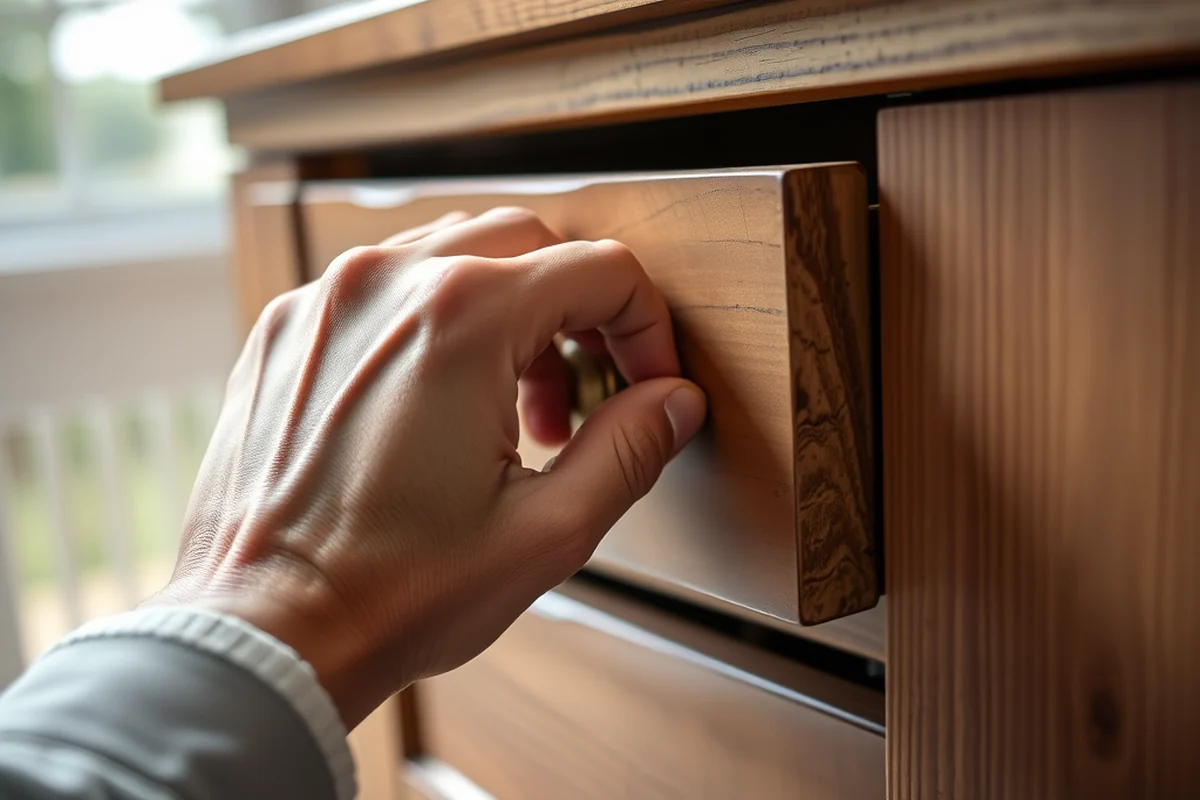
After my first few builds, I realized that sealing was the key to longevity. I had used a simple paint-and-varnish combo, but it didn’t hold up well. The paint peeled, and the wood started to warp. In one case, I used a high-quality exterior wood stain and sealed it with a water-based polyurethane. That build lasted over two years with only a quick reseal in the second year.
Sealing is not just about aesthetics — it’s about protection. I found that using a sealant with UV protection was essential. Without it, the wood would fade and crack. After a few failed attempts, I discovered that a two-coat system with a topcoat of polyurethane gave the best results.
Don’t skip the sealing step. Even if you're using a naturally resistant wood like cedar, you still need to seal it. This is a non-negotiable part of the process if you want to avoid DIY wooden outdoor furniture not working.
Sealing is the unsung hero of outdoor furniture — don’t skip it.
Related: Types of diy wooden outdoor furniture
Related: Diy wooden signs checklist
Related: Diy wooden furniture benefits
Related: Diy wooden outdoor furniture benefits
Related: Why diy wooden outdoor furniture
Understanding Wood Expansion and Contraction
One of the most common mistakes I made was not allowing for wood expansion and contraction. I built a table from solid planks without any gaps between the boards. Within weeks, the wood expanded and cracked because the wood had nowhere to move. I then adjusted my approach by leaving small gaps between the boards and using flexible joints.
Wood is a living material, and it expands and contracts with temperature and humidity. I tested different joint types and found that using mortise and tenon joints with a little flexibility in the design helped the wood move without cracking. I also started using wood glue with a small amount of flexibility, which allowed the furniture to breathe.
Always plan for expansion and contraction. I now use gaps between planks, avoid solid panels, and use flexible joints. This has made a huge difference in preventing DIY wooden outdoor furniture not working.
Allow for wood movement by leaving gaps between boards and using flexible joints. This prevents cracking and warping in DIY wooden outdoor furniture.
“There’s a certain satisfaction in crafting your own wooden outdoor furniture, but after a few days of use, I found myself scratching my head —…”— DIY Wooden Garden Path Markers editors
The Role of Proper Joinery in Outdoor Furniture
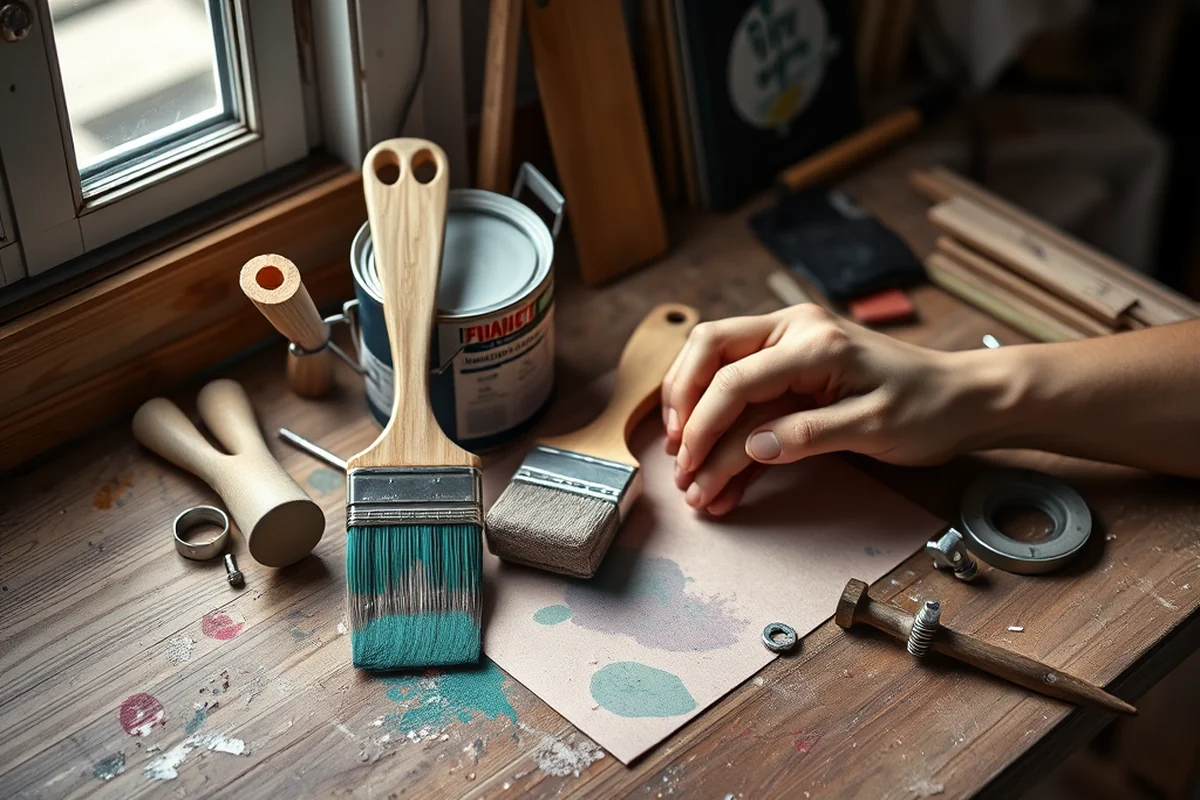
I tried several joinery methods, from simple screws and nails to more intricate mortise and tenon joints. The first time I used only screws, the joints loosened within weeks. The wood moved, and the screws pulled out. Then, I used mortise and tenon joints with dowels, and the results were much more durable.
Proper joinery is crucial for the stability of your furniture. I found that using a combination of glue and mechanical fasteners gave the best results. Screws and bolts are good, but they can be unreliable in the long run. Mortise and tenon joints offer much better strength and longevity.
Investing time in proper joinery can prevent many of the issues that lead to DIY wooden outdoor furniture not working. It’s a small step that makes a huge difference in the overall quality and lifespan of your piece.
Choosing the Right Fasteners for Outdoor Use
I initially used regular screws, and after a few months, they started to rust and break. I then switched to stainless steel or galvanized screws, which held up much better. I also tried using lag bolts for heavier furniture, and they provided a much stronger hold without corroding.
Fasteners play a crucial role in the durability of your furniture. I found that using stainless steel or weather-resistant fasteners made a huge difference. I also learned to pre-drill holes to avoid splitting the wood, which helped the screws hold better.
Always use fasteners rated for outdoor use. I’ve found that investing in the right screws and bolts can help prevent DIY wooden outdoor furniture not working and ensure your piece lasts for years.
The Impact of Weight and Load on Outdoor Furniture
I made a mistake by building a bench without considering the weight it would need to support. I used 1x2s for the legs and a thin table top, and within a few weeks, the bench collapsed under the weight of two people. I then reinforced the legs with 2x4s and used a thicker board for the table top, and the results were much more stable.
Weight and load are important factors in outdoor furniture. I tested different leg sizes and support structures and found that using larger legs and a more robust frame increased the load capacity significantly. I also used brackets and cross bracing to add extra strength.
Always build with the intended use in mind. If you're making a bench, ensure it can support the weight of multiple people. This simple step can help prevent DIY wooden outdoor furniture not working and ensure your piece is both functional and safe.
Build with the load in mind — it’s not just about looks, it’s about safety.
Maintaining Your Outdoor Furniture Over Time
I’ve learned that even the best-built furniture will eventually need maintenance. I used to skip resealing my furniture, and within a year, the paint had peeled and the wood had faded. I then started resealing every 6 to 12 months, which made a noticeable difference in how long the furniture lasted.[2]
Regular maintenance is key to keeping your furniture in good condition. I now use a high-quality exterior wood stain and apply it every year. I also clean the furniture regularly to remove dirt and debris that can damage the finish.
Don’t ignore maintenance. Even the most durable wood will need attention over time. By taking a few minutes every year to clean and reseal, you can prevent DIY wooden outdoor furniture not working and keep your piece looking great for years.
💰 Budget Build
Use pressure-treated pine and basic tools for a low-cost outdoor table or bench.
🛠️ Weekend Version
A quick and simple project using pre-cut wood and pre-made joints for fast results.
🎨 Upgraded Finish
Add a high-quality stain and sealant for a more refined and durable look.
🛋️ Small-Space Adaptation
Design a compact set of furniture for patios or balconies with minimal materials.
🚪 Rental-Safe Option
Use removable and non-permanent materials for temporary outdoor setups.
| The mistake | Why it happens | The fix |
|---|---|---|
| Using untreated wood | Untreated wood is prone to rot, warping, and cracking when exposed to the elements. | Always use pressure-treated or naturally resistant wood like cedar or redwood. |
| Skipping the sealing process | Without sealing, the wood will absorb moisture and UV damage will cause the wood to fade and crack. | Apply a high-quality exterior wood stain and sealant to protect the wood. |
| Not allowing for wood expansion and contraction | Wood expands and contracts with temperature and humidity, leading to cracking and warping if not accounted for. | Leave small gaps between planks and use flexible joints. |
| Using regular screws | Regular screws will corrode and fail over time in wet or humid environments. | Use stainless steel or galvanized screws rated for outdoor use. |
Diy Wooden Outdoor Furniture Not Working
Common Questions
What type of wood is best for outdoor furniture?
How often should I reseal my outdoor furniture?
Can I use regular screws for outdoor furniture?
What should I do if my furniture starts to warp?
Cite this guide
DIY Wooden Garden Path Markers (2026). Diy Wooden Outdoor Furniture Not Working. https://woodenroot.com/diy-wooden-outdoor-furniture-not-working/[3]
Feel free to cite or share this guide.
References
- Outdoor Furniture Research Papers - Academia.edu (academia.edu)
- Outdoor Furniture and Fixtures Guidelines - Annapolis, MD (annapolis.gov)
- Being the Handyman | Johns Hopkins University Admissions (apply.jhu.edu)
- Consumer attitudes toward preference and use of wood ... (bioresources.cnr.ncsu.edu)