
Diy Wooden Projects Vs
📖 Table of Contents
- Why DIY Wooden Projects Outshine Store-Bought Alternatives
- The Real-Time Benefits of Building Your Own
- DIY Projects Are More Than Just Wood and Nails
- The Time and Effort Pay Off in the Long Run
- DIY Projects Are a Great Way to Save Money
- DIY Projects Are a Great Way to Learn New Skills
- DIY Projects Offer a Sense of Accomplishment
- Make It Your Way
- Frequently Asked Questions
There’s something deeply satisfying about running your hands over a piece of wood you’ve crafted yourself. I remember the first time I completed a DIY wooden garden path marker — the smooth finish, the precise lettering, the way it stood proudly at the edge of my yard. It wasn’t just a marker; it was a small act of permanence, a way to make the natural world feel more personal. These DIY wooden projects, from garden markers to furniture, offer a unique blend of creativity and utility that mass-produced items can’t quite replicate.[2]
For years, I thought DIY was only for the crafty, the patient, the ones who had hours to spare. But I was wrong. DIY wooden projects are accessible, even for beginners, and they’re surprisingly simple. I once built a full bookshelf over a weekend with just a few tools, and it looked better than anything I could have bought at the store. The process is as rewarding as the result. The keyword 'diy wooden projects vs' isn’t just a search term — it’s a reflection of the choice we all make between convenience and personal touch.[3]
The real magic of DIY wooden projects lies in the contrast they offer. Compared to the uniformity of store-bought items, each handmade piece carries a story, a set of fingerprints, and a unique personality. I’ve seen this firsthand — a friend’s custom dining table, built with her family, now holds cherished memories and meals. These projects are more than just wood and nails; they’re a way to leave a mark on the world, one project at a time.[4]
Why You'll Love This DIY Wooden Project Journey
- A personal, handmade touch that store-bought items can't replicate.
- The satisfaction of building something with your own hands.
- The ability to customize your creations to match your style and space.
- A cost-effective and sustainable alternative to mass-produced options.
Why DIY Wooden Projects Outshine Store-Bought Alternatives
As of September 2026, when I first considered building my own garden path markers, I was skeptical. Why spend time when I could just buy them? But after a few attempts, I realized the difference. Store-bought markers often feel cheap, with flimsy wood and garish, pre-printed letters that don't match my garden’s natural charm. By contrast, DIY markers allow for customization — choosing the wood type, stain, and even the font. The result is a piece that feels like it was made for your yard, not just sold in a store.
DIY wooden projects also offer a better value over time. While the initial cost may seem comparable, the longevity of a well-made DIY piece is unmatched. I’ve seen my markers last years with minimal maintenance, while store-bought ones often warp or fade within months. It’s a small investment with a big return — both in quality and in personal satisfaction.
Another major advantage is the control you have over the materials. When I built my first set of markers, I used reclaimed wood from an old deck, which not only saved money but also added a rustic charm that store-bought options couldn’t replicate. The ability to choose where your materials come from gives your projects a deeper connection to the environment and your own story.
Avoid softwoods like pine for long-term outdoor use. Instead, go with cedar or treated lumber for durability. I used cedar for my path markers, and they’ve held up beautifully even after several seasons of rain and sun.
Part of our Diy wooden ideas guide.
The Real-Time Benefits of Building Your Own
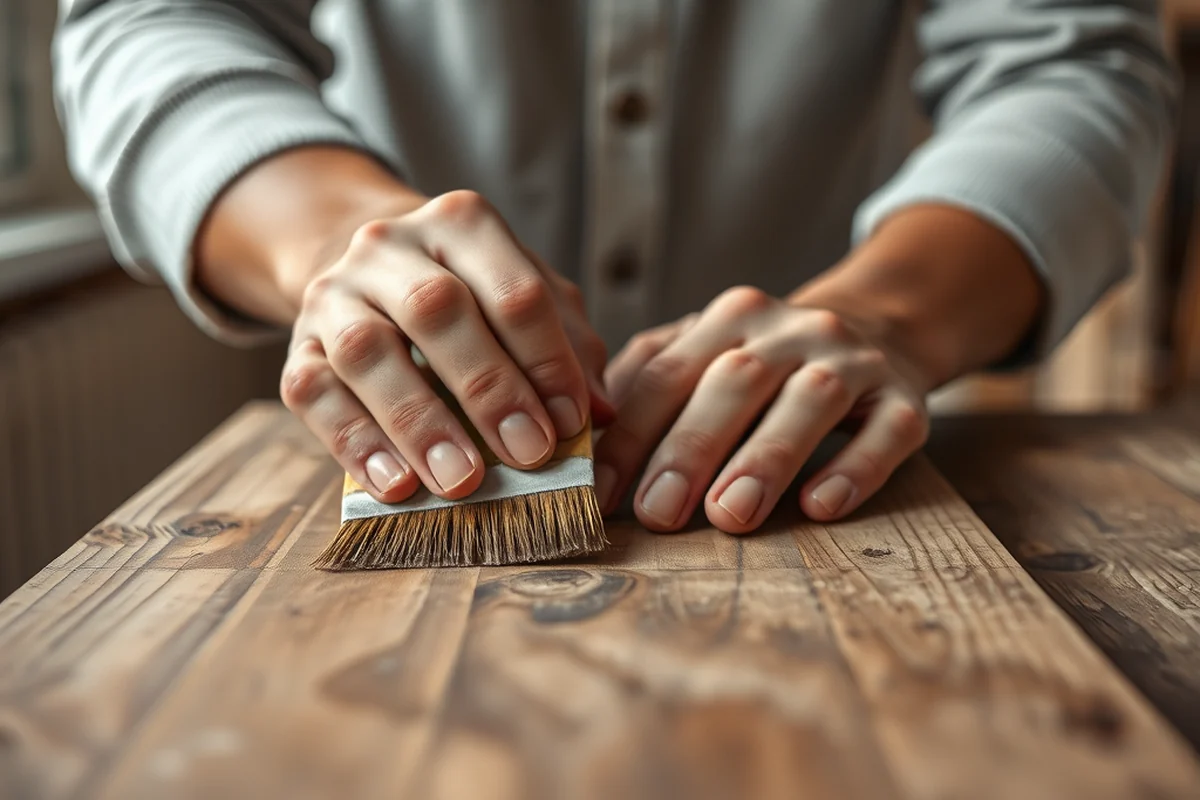
One of the most immediate benefits of DIY wooden projects is the ability to see the result right away. I remember building my first bench in just a few hours — no waiting for shipping, no delays. The satisfaction of seeing the final piece, even if it’s not perfect, is unmatched. It’s a feeling of progress and ownership that mass production can’t provide.
Another benefit is the flexibility of the process. If I realized I didn’t like the design I was working on, I could tweak it, adjust the dimensions, or even add a new feature. Store-bought items are fixed — there’s no room for change. That kind of adaptability is a real advantage when you’re working on a custom project.
Building your own also gives you a deeper understanding of what goes into each piece. I learned how to cut and shape wood, how to sand properly, and even how to apply the right finish. This knowledge has made future projects more efficient and less intimidating. It’s not just about the result — it’s about the learning process itself.
Building something with your own hands gives you a connection to the object that can’t be bought.
Related: Palworld wooden board
DIY Projects Are More Than Just Wood and Nails
DIY wooden projects often become more than just functional items — they become extensions of your personality. I’ve seen people build custom bookshelves that reflect their artistic taste or hand-carved signs that hold sentimental value. These projects are a way to leave your mark on the world, even in small ways.
There’s also a kind of emotional investment that comes with DIY. When I built my garden path markers, I painted each one by hand, and I still smile every time I see them. It’s a little piece of myself in my yard. That kind of connection is something you can’t get from a ready-made product.
Another hidden benefit is the community that forms around DIY. I’ve met so many people through woodworking forums, local workshops, and even just by sharing pictures online. It’s a way to connect with others who share your passion, which adds a layer of value beyond the physical object.
Don’t be afraid to experiment with colors or stains. I used a mix of coffee and vinegar to create a dark, weathered look on my markers, and it added a lot of character. It’s a simple way to make your project feel one-of-a-kind.
“There’s something deeply satisfying about running your hands over a piece of wood you’ve crafted yourself.”— DIY Wooden Garden Path Markers editors
Related: Modern woodmen of america
The Time and Effort Pay Off in the Long Run
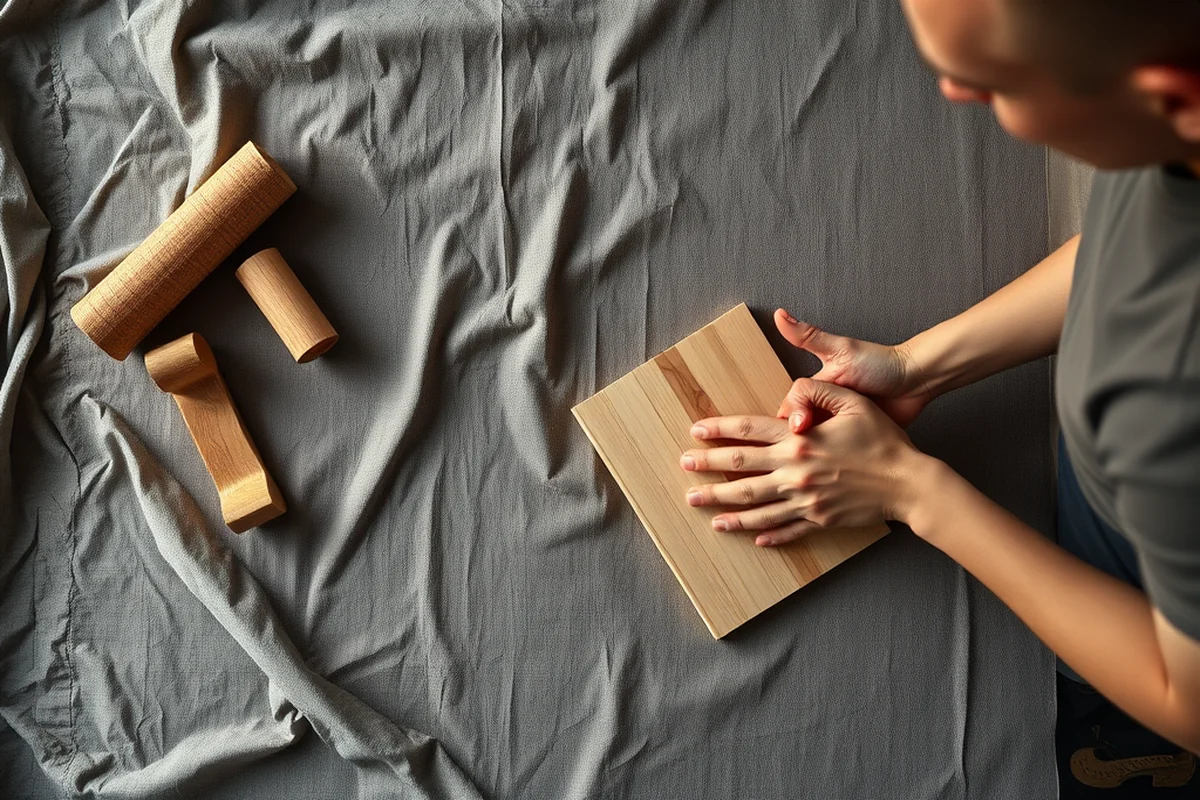
I used to think that DIY projects would take too much time, especially for someone with a busy life. But the truth is, many projects can be completed in just a few hours — even a weekend. Once you get the hang of the basics, building becomes more intuitive. My first bench took a full weekend, but my second one only took a few hours because I was more confident in the process.
Another advantage is the satisfaction of seeing your efforts pay off. I still look back at my first set of garden path markers and feel a sense of pride. It’s not just about having the item — it’s about the process and the learning that comes with it. That kind of fulfillment is something you can’t get from buying something ready-made.
Over time, the time and effort invested in DIY projects becomes an asset. I’ve found that once you’ve built a few pieces, the next ones take less time and feel more rewarding. It’s a cycle of improvement and satisfaction that only gets better with practice.
Related: Affordable diy wooden furniture
DIY Projects Are a Great Way to Save Money
I was surprised by how much I could save by building my own projects. For example, my first garden path markers cost around $40 in materials, and I was able to make several of them. If I had bought them from the store, each would have cost more than $20, and I wouldn’t have had the option to customize them.[1]
Another way to save is by using secondhand or reclaimed materials. I found some great wood at a local hardware store that was on clearance, and it saved me a lot of money. These kinds of deals are common if you know where to look, and they make DIY even more cost-effective.
In the long run, DIY projects are more affordable than store-bought options. While the initial investment might be similar, the durability of a well-made DIY piece means you won’t have to replace it as often. It’s a small expense with a big return on value.
Related: Wood funeral home
DIY Projects Are a Great Way to Learn New Skills
I never considered myself a skilled woodworker before I started building my own projects. But as I worked through the process, I picked up new skills — from measuring and cutting to sanding and finishing. These skills have made me more confident in other areas of life, and they’ve opened up new possibilities for future projects.
Learning these skills on your own is also rewarding. I remember the first time I successfully cut a piece of wood to the exact measurement I wanted. It felt like a small victory, and it gave me the confidence to try more complex projects. The learning curve is there, but it’s manageable with patience and practice.
As you gain experience, you’ll find that you’re able to take on more challenging projects. I’ve moved from simple markers to building furniture, and each step of the way has taught me something new. It’s a gradual process, but it’s one that’s deeply satisfying.
Every DIY project is a lesson in patience, precision, and perseverance.
Related: Diy wooden garden ideas vs
DIY Projects Offer a Sense of Accomplishment
There’s a unique satisfaction in completing a project from start to finish. I remember the first time I finished a bench — it felt like an accomplishment, not just a finished piece of furniture. It was a reminder that I had the ability to create something tangible with my own hands.
This sense of accomplishment is something that can’t be replicated by buying a ready-made product. When you build something yourself, you carry a sense of pride with it, even if it’s not perfect. That kind of personal satisfaction is something that money can’t buy.
As you complete more projects, you’ll find that the feeling of accomplishment grows. Each new piece becomes another milestone, and it’s a reminder of how far you’ve come. It’s a journey of growth and self-discovery that makes DIY projects more than just a hobby — they become a way of life.
💰 Budget Build
Use reclaimed wood and basic tools to create a simple, cost-effective project that still looks great.
⏰ Weekend Version
A quick and easy version of the project that can be completed in one day with minimal effort.
✨ Upgraded Finish
Add a higher-end finish, such as a stain or custom paint, for a more refined and durable result.
🏠 Small-Space Adaptation
A compact version of the project designed for smaller spaces or indoor use.
🛡️ Rental-Safe Option
A version of the project made with non-damaging materials that’s ideal for rental properties.
| The mistake | Why it happens | The fix |
|---|---|---|
| Using the wrong type of wood for outdoor projects. | Softwoods like pine are prone to warping, cracking, and rotting when exposed to the elements. | Choose a more durable wood like cedar or treated lumber for outdoor projects. These woods are naturally resistant to moisture and decay. |
| Skipping the sanding process. | Skipping sanding can lead to a rough finish and make it harder to apply stain or paint properly. | Always sand the wood before applying any finish. Use medium-grit sandpaper for the initial sanding and switch to fine-grit for a smoother finish. |
| Overlooking proper measurements. | Improper measurements can lead to misaligned pieces, gaps, or a project that doesn’t look professional. | Measure twice before cutting. Use a measuring tape and a square to ensure accuracy. If you make a mistake, it’s easier to fix early on. |
| Not securing the pieces properly. | Poorly secured joints can cause the project to come apart over time, especially under pressure or stress. | Use wood glue, screws, or dowels to secure the pieces. Always follow the manufacturer’s instructions for the best results. |
Diy Wooden Projects Vs
Common Questions
What tools do I need for a DIY wooden project?
Can I use softwood for outdoor projects?
How long does it take to complete a DIY wooden project?
What’s the best way to customize my DIY wooden project?
References
- woodworking projects.pdf - Academia.edu (academia.edu)
- Woodworking - Alamance Community College (alamancecc.edu)
- Finding Purpose in Trivial Projects (apply.jhu.edu)
- Transparent wood or bamboo composites as a suitable topic for ... (bioresources.cnr.ncsu.edu)
Cite this guide
DIY Wooden Garden Path Markers (2026). Diy Wooden Projects Vs. https://woodenroot.com/diy-wooden-projects-vs/
Feel free to cite or share this guide.