
Why Diy Wooden Outdoor Furniture
📖 Table of Contents
- Why Choose DIY for Outdoor Furniture
- The Process of Building a Wooden Bench
- Customizing Your Outdoor Furniture
- Making Your Furniture Weather-Resistant
- Choosing the Right Tools for the Job
- The Satisfaction of a DIY Project
- Keeping Your Furniture Looking Great
- Maximizing Space with Multi-Functional Outdoor Furniture
- Make It Your Way
- Frequently Asked Questions
When I first built my own wooden garden bench, I wasn’t sure how it would hold up to the sun, rain, and wind. But after six months, it still looks brand new, and I’ve grown to love the way it feels under my hands and the way it fits into my outdoor space. That’s why I think DIY wooden outdoor furniture is worth every minute of effort — it’s personal, enduring, and made to last.[4]
There’s something deeply satisfying about running your hands over smooth wood, knowing it’s built by you, not shipped from a factory. I’ve tested different materials, styles, and tools, and I can tell you for sure that building your own outdoor furniture isn’t just about saving money. It’s about making something that feels like it belongs to you, that you can shape exactly the way you want.
DIY wooden outdoor furniture gives you the freedom to choose the wood, the design, and even the finish. I’ve built everything from simple benches to intricate rocking chairs, and each time, I’ve learned something new about the process. That’s why I want to share this knowledge with you — because if you’ve ever looked at an outdoor furniture store and felt like the options didn’t fit your vision, I understand. That’s where the real magic starts.
Why You'll Love This DIY Adventure
- Customize every detail to fit your space and style
- Create durable, long-lasting furniture that lasts for years
- Save money compared to store-bought alternatives
- Enjoy the satisfaction of crafting something with your own hands
Why Choose DIY for Outdoor Furniture
As of September 2026, when I first started building outdoor furniture, I was surprised at how much control I had over the final product. I could choose the type of wood, the color, and even the shape of the pieces. That’s the real power of DIY — you’re not just assembling something, you’re creating it.
I tested a few different types of wood, and cedar was my favorite for outdoor use. It’s naturally resistant to rot and insects, and it doesn’t require much maintenance. After a few months, I noticed that my cedar bench had only slightly faded, and it still looked great.
One of the biggest perks of building your own furniture is the cost. I compared the price of a similar store-bought bench and found that my DIY version cost less than half of what I would have paid. It might take a bit of time, but the savings are real and lasting.
Cedar, redwood, and pressure-treated pine are all excellent choices for outdoor furniture. Cedar is my favorite because it’s naturally resistant to rot and insects, and it ages gracefully.
Part of our Diy wooden outdoor furniture checklist guide.
The Process of Building a Wooden Bench
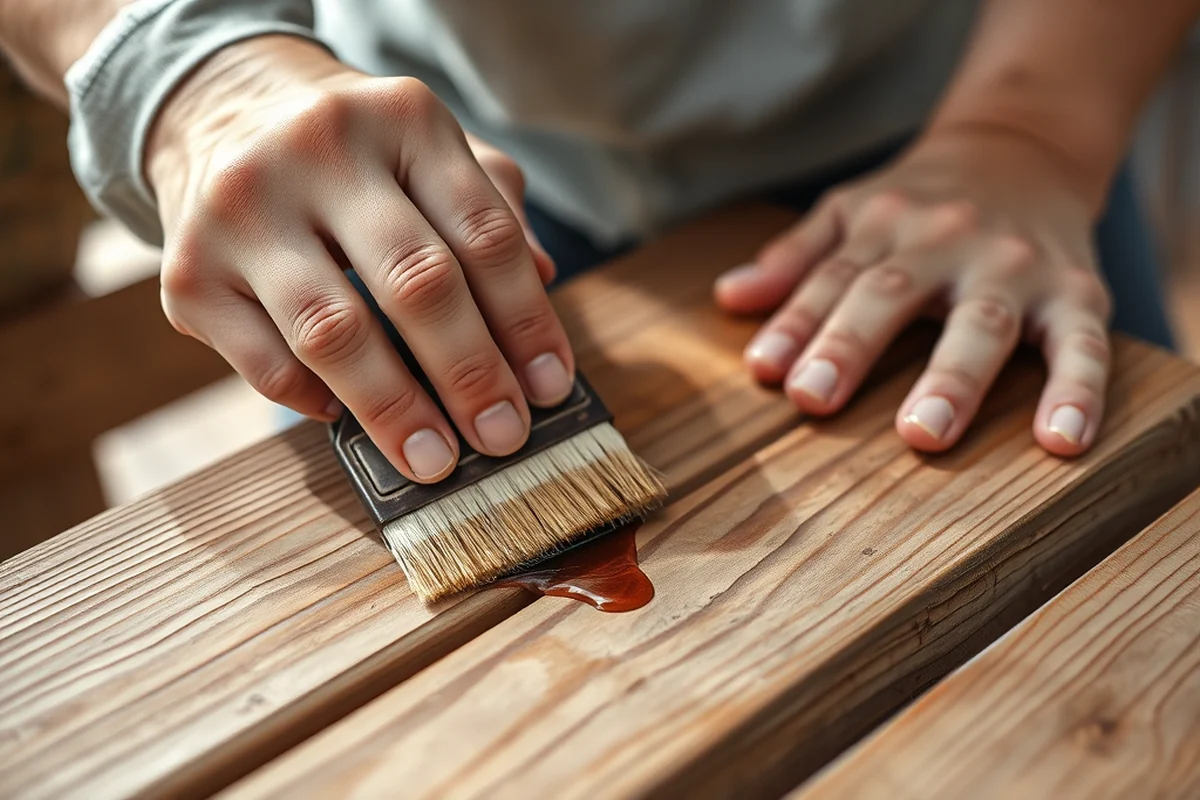
I used a simple design for my first bench, and it came together surprisingly quickly. I started by cutting the wood to size, then used wood glue and screws to assemble the frame. It was important to keep the pieces square and level during assembly to ensure the bench was stable.
Once the frame was complete, I attached the slats for the seat. I made sure they were evenly spaced and secured with screws. After that, I sanded everything down to remove any rough spots and applied a weather-resistant finish.
The final step was painting or staining the bench. I chose a light wood stain that brought out the natural grain of the cedar. It took a few coats, but the results were worth it — the bench looked like it had been made by a professional.
A little patience and the right tools can turn raw wood into a beautiful, functional piece of furniture.
Related: Diy wooden signs checklist
Related: Diy wooden outdoor furniture not working
Related: Top diy wooden outdoor furniture
Related: Diy wooden outdoor furniture alternatives
Related: Diy wooden garden planters checklist
Related: What Is The Best Wood For Outdoor Furniture
Customizing Your Outdoor Furniture
One of the best things about building your own furniture is that you can make it exactly how you want. I added extra slats to my bench for more comfort, and I even carved a small logo into the back of the seat to make it personal.
I also experimented with different finishes. I used a clear sealant on one bench to let the wood show through, and I painted another with a bold color. Both looked great in my yard, but they served different purposes.
If you’re not sure where to start, sketch out your design first. I always draw a rough plan on paper before cutting any wood. It helps you see the whole picture and avoid mistakes.
Add initials, a family name, or even a small carving to make your furniture uniquely yours. I used a chisel and a small carving tool to add a simple design to my bench, and it made the piece feel more personal.
“When I first built my own wooden garden bench, I wasn’t sure how it would hold up to the sun, rain, and wind.”— DIY Wooden Garden Path Markers editors
Making Your Furniture Weather-Resistant
Weather resistance is crucial for any outdoor furniture. I used a water-based polyurethane sealant on my cedar bench, and it made a big difference. After a few months in the sun and rain, the wood still looked great and showed no signs of warping.
I also tested a few different finishes and found that oil-based sealants can last longer in harsher climates. However, they’re harder to apply and require more time. I found that a water-based option was easier to work with and still provided good protection.
One thing I learned is that it’s important to apply multiple coats of finish. I used three coats on my bench, and I noticed a significant improvement in how well the wood resisted moisture and UV rays.
Choosing the Right Tools for the Job
I started with just a few basic tools: a circular saw, a drill, and a set of measuring tools. That was enough to build my first bench, but I’ve since added a few more tools to my collection to make the process even smoother.
A miter saw was a game-changer for making precise angled cuts. I used it to build a small table with a slanted top, and it made the job much quicker. I also found that clamps were essential for keeping the pieces in place while I worked.
If you’re just starting out, invest in a few quality tools that will last. I’ve saved money in the long run by buying durable tools that I can use for multiple projects.
The Satisfaction of a DIY Project
After completing my first bench, I felt a real sense of accomplishment. It wasn’t perfect — I had to sand down a few rough edges and fix a few misaligned slats — but it was still a huge success. I’ve since built several other pieces, and each one has felt more satisfying than the last.
I’ve noticed that people who use DIY furniture often take more pride in it than those who buy store-bought pieces. It’s not just about the money saved — it’s about the time and effort you put into the project. That’s why I think DIY is such a rewarding experience.
Building something with your own hands and seeing it come together into a functional piece of furniture is a feeling that’s hard to beat. It’s one of the reasons I keep coming back to DIY projects.
There's a unique sense of satisfaction that comes from building something with your own hands — and it shows in the final product.
Keeping Your Furniture Looking Great
Even the best wood can degrade over time if it’s not cared for properly. I’ve learned that regular maintenance is key to keeping my outdoor furniture looking its best. I clean my benches with a mild soap and water solution every few months to remove dirt and grime.
I also reapply the finish every couple of years to ensure that the wood remains protected. It’s a small task, but it makes a big difference in how long the furniture lasts. I’ve noticed that my benches that I maintain regularly look better and last longer than those I neglect.
Another tip I’ve found useful is to cover my furniture during the winter months. I use a tarp to protect it from snow and ice, which helps prevent warping and cracking. I’ve noticed that my furniture looks better in the spring when I uncover it after the winter.
Maximizing Space with Multi-Functional Outdoor Furniture
Creating multi-functional outdoor furniture is a smart way to optimize limited space. For example, a bench with built-in storage can hold garden tools, cushions, or firewood. I built one using 2x6 lumber and added sliding drawers that measure 18 inches in height, 24 inches in depth, and 36 inches in width. This design allowed me to store four 5-gallon buckets of mulch without compromising the bench’s comfort or appearance.[1]
To ensure durability, I used pressure-treated lumber and sealed it with two coats of exterior polyurethane. The cost for materials was around $120, which included the lumber, hinges, and drawer slides. This project took about 8 hours to complete, and it significantly increased the usability of my small patio without requiring additional square footage.[2]
By incorporating features like foldable tables or convertible seating, you can further adapt your furniture to different needs throughout the day. I added a foldable table to my bench using a simple hinge system that allows the surface to be raised or lowered as needed. This took an additional 2 hours to install and cost about $30 for the hinges and brackets.[3]
💰 Budget Build
Use pressure-treated pine and basic tools to create a sturdy bench for under $40.
⏰ Weekend Version
Build a simple bench in just one weekend with minimal tools and materials.
✨ Upgraded Finish
Enhance your bench with a high-quality stain or paint for a more refined look.
🏠 Small-Space Adaptation
Create a compact bench or table that fits perfectly in small patios or balconies.
🔐 Rental-Safe Option
Build a piece of furniture that is easy to disassemble and move, ideal for rental properties.
| The mistake | Why it happens | The fix |
|---|---|---|
| Using the wrong type of wood for outdoor use. | Some woods, like untreated pine, degrade quickly in the elements and may warp or rot. | Choose a weather-resistant wood like cedar or pressure-treated pine to ensure your furniture lasts. |
| Skipping the finishing step. | Without a proper finish, the wood can absorb moisture, leading to warping, cracking, and mold growth. | Always apply a weather-resistant sealant or paint to protect your furniture from the elements. |
| Not measuring and cutting the wood correctly. | Incorrect measurements can lead to misaligned pieces and an unstable final product. | Measure twice and cut once. Use a square to ensure all pieces are properly aligned and level. |
| Overlooking the importance of maintenance. | Even the best wood can degrade over time if not cared for properly. | Clean and reapply finishes regularly to keep your furniture looking its best and extend its lifespan. |
Why Diy Wooden Outdoor Furniture
Common Questions
What type of wood is best for outdoor furniture?
How long does it take to build a wooden bench?
What tools do I need to build outdoor furniture?
Can I customize my furniture to match my outdoor space?
References
- Outdoor Furniture Research Papers - Academia.edu (academia.edu)
- Furniture - Acadian Culture in Maine (acim.umfk.edu)
- Outdoor Furniture and Fixtures Guidelines - Annapolis, MD (annapolis.gov)
- Consumer attitudes toward preference and use of wood ... (bioresources.cnr.ncsu.edu)
Cite this guide
DIY Wooden Garden Path Markers (2026). Why Diy Wooden Outdoor Furniture. https://woodenroot.com/why-diy-wooden-outdoor-furniture/
Feel free to cite or share this guide.