
Types of DIY Wooden Garden Border: What They Are and How to Choose
📖 Table of Contents
- What is a DIY Wooden Garden Border?
- The Most Common Types of DIY Wooden Garden Borders
- How to Choose the Right Type of Border for Your Garden
- Materials to Use for DIY Wooden Garden Borders
- How to Build a Simple Wooden Garden Border
- Design Ideas for DIY Wooden Garden Borders
- Long-Term Care and Maintenance for Wooden Garden Borders
- Make It Your Way
- Frequently Asked Questions
I remember the first time I planted a garden — it was a mess of tangled paths, overgrown beds, and no clear sense of where one area ended and another began. The chaos made me realize how important a well-defined border can be. That’s when I started experimenting with DIY wooden garden borders, and it changed everything. These borders not only gave my garden a polished look, but they also helped with organization, water drainage, and even pest control.[3]
Over the years, I've tried nearly every type of DIY wooden garden border available. Some were simple, others ornate, and a few were even inspired by things I saw in antique shops or online. Each one taught me something new, from the best wood types to use to the most effective fastening methods. I learned that the right border can be a game-changer for both aesthetics and functionality.[4]
The keyword here is 'types of DIY wooden garden border,' and I can assure you that this is not a one-size-fits-all project. Whether you're dealing with a small balcony garden or a sprawling backyard, the right border will make all the difference. In this article, I walk you through everything I've learned, from materials and techniques to the pros and cons of different styles.
Why You'll Love This DIY Project
- Customize your garden’s look without breaking the bank
- Enhance the longevity of your garden beds with a solid border
- Create a natural barrier that helps with water and soil management
- Add character and warmth to your outdoor space
What is a DIY Wooden Garden Border?
As of November 2026, a DIY wooden garden border is more than just a decorative element — it's a functional component that helps keep your garden organized and healthy. It prevents soil erosion, keeps plants in place, and can even deter unwanted wildlife from wandering into your space. I've found that the best borders are made from durable, weather-resistant wood like cedar or treated pine, which can last for years with minimal maintenance.
When I first started, I used pressure-treated lumber for my borders because it's affordable and long-lasting. I cut the pieces to size, then drove wooden stakes into the ground and attached the boards with galvanized nails. The result was a sturdy frame that kept my garden beds neat and defined, even after months of rain and sun.
Notably, the type of wood you use will affect how long your border lasts. Cedar, for instance, is naturally resistant to rot and insects, making it an excellent choice for long-term use. I've found that using a water sealant after installation helps protect the wood and maintain its appearance over time.
Always use galvanized or stainless steel nails or screws when building wooden garden borders. These fasteners resist corrosion and will last longer in wet or humid environments.
Part of our Diy wooden garden room troubleshooting guide.
The Most Common Types of DIY Wooden Garden Borders
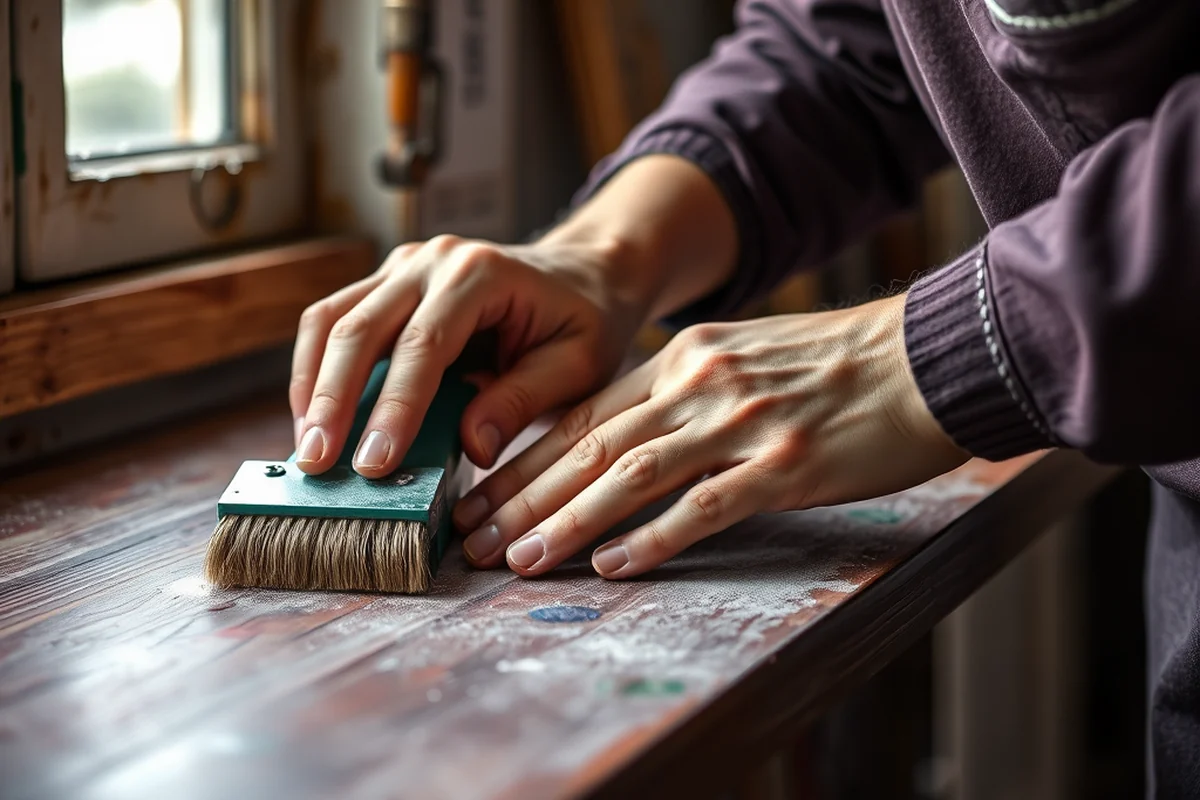
With types of DIY wooden garden borders, the options are as varied as the gardens they define. Raised bed borders, for example, are ideal for small spaces or when you want to lift your plants above ground level for better drainage. I've used them for growing herbs and vegetables, and they make weeding and watering much easier.
In-ground borders, on the other hand, are great for creating a more natural look. I've built a few using simple planks and stakes, which I planted with wildflowers and shrubs around the edges. It's a subtle way to add structure without making the garden feel too rigid.
Decorative picket-style borders are another popular choice, especially for adding a touch of charm to a garden. I've seen them used in rustic-style gardens, and they look especially nice when paired with climbing plants like clematis or wisteria.
A well-built wooden border can transform the look of your garden.
Related: Diy wooden garden border problems
How to Choose the Right Type of Border for Your Garden
Selecting the right type of DIY wooden garden border starts with understanding your garden’s needs. If you have a small space, raised beds or picket-style borders may be the way to go. They add structure without overwhelming the area. I've found that raised beds also help with soil quality, especially if you're growing vegetables.
If you're working with a larger garden, in-ground borders or large planks can be more effective. They help define the space and keep the garden from looking too chaotic. I've used in-ground borders to separate different flower beds, and it's made a huge difference in how organized the garden looks.
Another factor to consider is the style of your home and garden. If you have a modern home, a sleek, minimalist border made of straight planks may be more appropriate. For a rustic or country-style garden, a picket or lattice border can add the right amount of charm.
The height of your border will affect how much it defines the space. I've found that 6-inch borders are sufficient for small gardens, while 12-inch borders are better for larger areas.[1]
“I remember the first time I planted a garden — it was a mess of tangled paths, overgrown beds, and no clear sense of where…”— DIY Wooden Garden Path Markers editors
Related: Diy wooden signs troubleshooting
Materials to Use for DIY Wooden Garden Borders
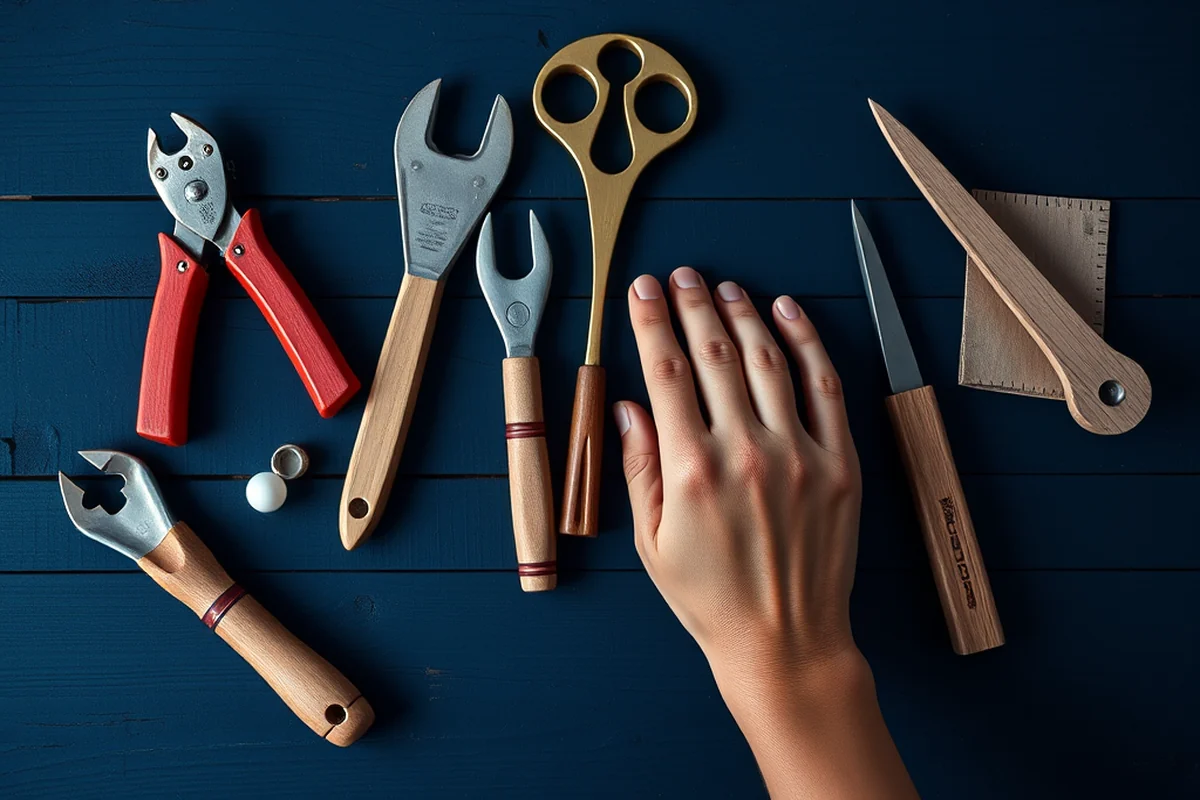
The materials you choose for your DIY wooden garden border will affect how long it lasts and how much it costs. Treated lumber is a popular option because it's resistant to rot and insects. I've used it for several borders, and they've held up well through multiple seasons.
Cedar is another excellent choice, especially if you're looking for a natural look. It's naturally resistant to decay and doesn't need to be treated as much as other woods. I've used cedar for a few of my borders and found that it ages gracefully, developing a beautiful patina over time.
Reclaimed wood is a great option for those who want to add a rustic or vintage feel to their garden. I've used old fence wood for one of my borders, and it's added a unique character that I really like. It's also an eco-friendly choice that reduces waste.
Related: Diy wooden garden trug templates
How to Build a Simple Wooden Garden Border
Building a simple wooden garden border doesn't require any special skills, but it does require some basic tools like a saw, a hammer, and a measuring tape. I've found that the easiest way to start is by cutting the planks to the right length for the space you want to define.
Once the wood is cut, I drive wooden stakes into the ground at each corner of the border. Then I attach the planks to the stakes with galvanized nails, making sure they're tight and even. I've found that using a level helps make sure the border is straight and even.
After the border is assembled, I like to apply a coat of wood sealant to protect it from the elements. This helps prevent rot and keeps the wood looking good for years. I've noticed that applying two coats gives the best results, especially in areas with a lot of rain or sun.
Related: Diy wooden garden toys templates
Design Ideas for DIY Wooden Garden Borders
One of the best things about DIY wooden garden borders is that you can customize them to match your garden's style. I've added small stones around the edges of my borders to give them a more finished look. It's a simple addition that really makes a difference in how polished the garden appears.
Another idea is to incorporate planters or small shrubs along the border. I've used hanging planters on some of my borders and it's added a nice touch of color and texture. It also helps break up the monotony of the wood and keeps the space more interesting.
For a more decorative look, I've used carved wood or even painted borders. I've painted some of my borders with a light gray paint to match the stonework in my garden. It's a subtle way to tie the garden together and make it look more cohesive.
A little creativity can go a long way when it comes to garden borders.
Related: Diy wooden garden border step by step
Long-Term Care and Maintenance for Wooden Garden Borders
Even the best DIY wooden garden borders will need some maintenance to keep them looking good. I've found that the key is to inspect them regularly for signs of rot, warping, or pest damage. If you notice any issues, it's important to address them early before they become bigger problems.
I like to apply a fresh coat of wood sealant every couple of years, especially in areas with a lot of rain or sun. This helps protect the wood from the elements and keeps it from deteriorating. I've noticed that untreated wood tends to rot faster, so I always recommend sealing it, even if it's a natural wood like cedar.[2]
Another thing to watch for is the fasteners — over time, nails and screws can become loose, especially in areas with a lot of movement or moisture. I've found that tightening them up every few months helps keep the border secure and prevents it from coming apart.
💰 Budget Build
Use reclaimed wood and basic hardware to create a functional border without spending much.
🛠️ Weekend Version
A quick and easy project that can be completed in a single day with minimal tools.
✨ Upgraded Finish
Add a paint or stain finish for a more polished and long-lasting look.
🌿 Small-Space Adaptation
Use compact planks and decorative elements to create a border that fits perfectly in tight areas.
🏠 Rental-Safe Option
A temporary and removable border that can be taken down when moving to a new home.
| The mistake | Why it happens | The fix |
|---|---|---|
| Using the wrong type of wood | Untreated wood like pine or softwood is not durable enough for outdoor use and will decay quickly in wet or sunny conditions. | Use treated lumber, cedar, or other weather-resistant woods for your garden border. |
| Ignoring the need for proper fasteners | Using regular nails or screws can lead to rust and corrosion, which will weaken the border over time. | Always use galvanized or stainless steel nails and screws to ensure long-lasting durability. |
| Neglecting to apply a sealant | Without a sealant, the wood will absorb moisture and eventually rot, especially in rainy or humid climates. | Apply a water-based or oil-based wood sealant after installation to protect the wood. |
| Not measuring or cutting the wood properly | If the wood isn't cut to the right length or isn't aligned properly, the border will look uneven and unprofessional. | Take the time to measure accurately and cut the wood to the correct size before assembling the border. |
Types Of Diy Wooden Garden Border
Common Questions
What kind of wood is best for a DIY wooden garden border?
Can I use untreated wood for my garden border?
How long does a DIY wooden garden border typically last?
Do I need any special tools to build a wooden garden border?
References
- Timber - Fully Processed Wooden Articles and Handicrafts (without ... (acir.aphis.usda.gov)
- How to Build a Raised Garden Bed with Optional Hoop Cover (blogs.cornell.edu)
- Recommended Tree List - Maryland DNR (dnr.maryland.gov)
- 13 front yard xeriscape landscaping ideas with photos of drought ... (engagement.source.colostate.edu)
Cite this guide
DIY Wooden Garden Path Markers (2026). Types of DIY Wooden Garden Border: What They Are and How to Choose. https://woodenroot.com/types-of-diy-wooden-garden-border/
Feel free to cite or share this guide.