
Affordable Diy Wooden Garden Features
📖 Table of Contents
- Why Choose Affordable DIY Wooden Garden Features?
- Simple Techniques for Lasting Results
- Getting Started with Your First Project
- Choosing the Right Wood for Your Projects
- Adding a Personal Touch with Paint and Stain
- Maximizing Space with Multi-Functional Features
- Maintaining Your DIY Wooden Garden Features
- Make It Your Way
- Frequently Asked Questions
There’s something profoundly satisfying about stepping into your garden and seeing the fruits of your own labor — literally. I remember the first time I built a wooden garden path marker using scrap wood from my garage. It felt like a small but meaningful act of creation, and it sparked an entire passion for affordable DIY wooden garden features. Whether you’re looking to define pathways, add rustic charm, or make your garden more functional, these projects are not only budget-friendly but also deeply personal.[2]
As someone who lives in a modest home and has a small garden, I’ve learned that you don’t need a huge budget or advanced skills to make your outdoor space stand out. In fact, many of the most eye-catching wooden features I’ve built over the years came from repurposed materials, simple tools, and a few hours of focused work. What makes these projects so rewarding is that they allow you to express your creativity while working within your means.[3]
Affordable DIY wooden garden features aren’t just about saving money — they’re about making your garden uniquely yours. From garden stepping stones to planters and even decorative trellises, each project offers a chance to add a personal touch to your outdoor space. The best part? You can start with just a few basic tools and a weekend’s worth of effort, and the results will speak for themselves.[4]
Why You'll Love This Approach to Garden Design
- Budget-friendly materials and tools make these projects accessible to all skill levels.
- Customization options allow your garden to reflect your personal style and preferences.
- Repurposed wood and upcycled materials reduce environmental impact and add rustic charm.
- Simple, weekend-friendly builds make it easy to complete projects without overwhelming your schedule.
Why Choose Affordable DIY Wooden Garden Features?
As of September 2026, many homeowners are surprised by how little it costs to create stunning garden features using simple tools and materials. A basic wooden garden path marker, for example, can be made with just a few planks of scrap wood, some sandpaper, and a small amount of paint or stain. This approach not only cuts costs but also offers a level of customization that store-bought options rarely provide.
I once built a set of garden stepping stones using leftover wood from my deck renovation. The process took about a weekend, and the final result was so unique and personal that my neighbors asked where I bought them. This is the power of DIY — it allows you to create pieces that truly reflect your style and personality.
And using affordable materials and simple tools ensures that you can complete these projects without a large investment or specialized training. Whether you’re a beginner or an experienced DIYer, there’s always a project that fits your skill level and budget.
Before buying new materials, check your garage or storage areas for leftover wood, hardware, or even old paint that you can repurpose. This not only saves money but also reduces waste.
Part of our Top diy wooden garden bed guide.
Simple Techniques for Lasting Results
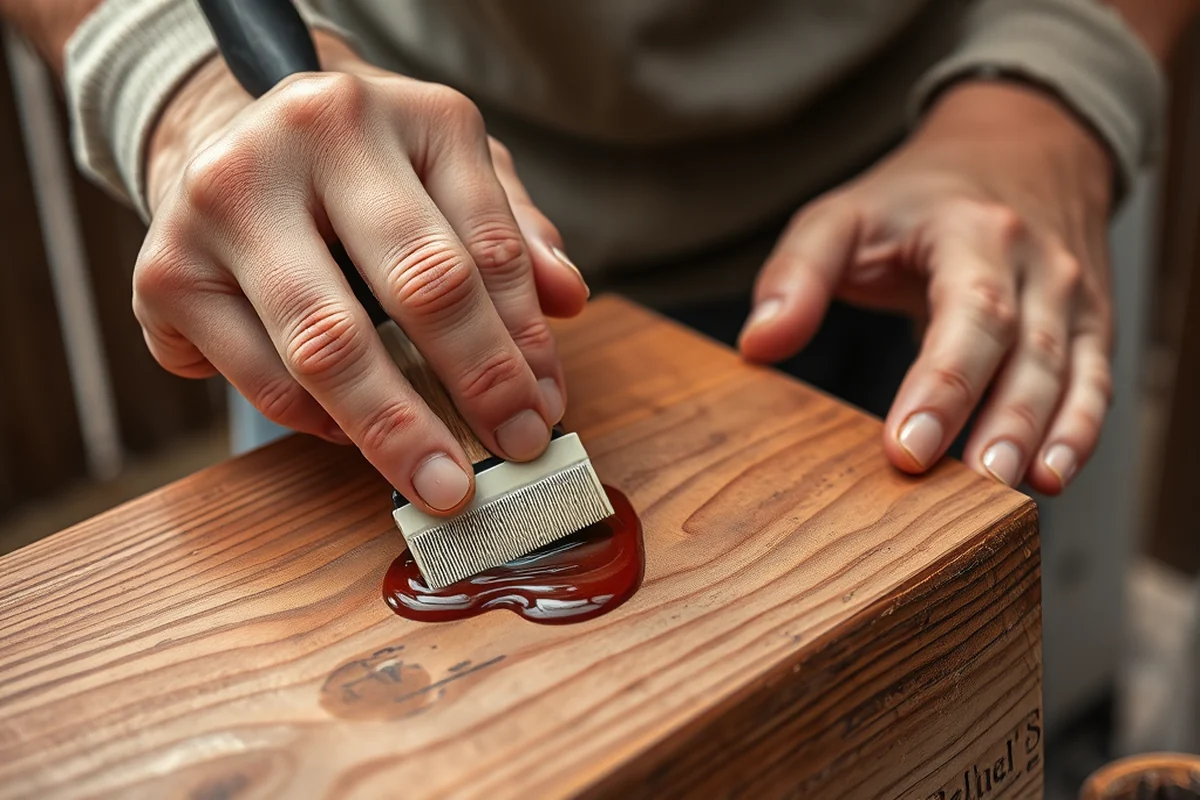
One of the most important steps in any woodworking project is preparing the wood properly. I always start by sanding my materials thoroughly, especially if I’m using reclaimed wood. This not only smooths the surface but also helps paint or stain adhere better, resulting in a more professional finish.
Another key technique is sealing the wood with a weather-resistant finish. I’ve used both oil-based polyurethane and water-based wood sealers with great success. The right sealer can protect your wooden features from moisture, UV rays, and general wear and tear, extending their lifespan significantly.
Taking the time to secure your wooden features properly is also essential. For example, when building a garden bench, I always use screws rather than nails to ensure the structure is stable and long-lasting.
A little preparation goes a long way in ensuring your DIY wooden features last for years.
Related: Diy wooden garden planters for beginners
Related: Diy wooden garden house comparison
Related: Best diy wooden garden path
Related: Top diy wooden garden projects
Related: Inexpensive ways to build raised garden beds
Related: Affordable Diy Wooden Walkway
Related: Affordable Diy Wooden Garden Cart
Getting Started with Your First Project
For beginners, I recommend starting with a small and straightforward project like a garden stepping stone or a wooden planter. These projects require minimal tools and materials, and they offer a great way to practice basic woodworking skills like cutting, sanding, and sealing.[1]
I once built a small wooden planter using just a few planks of wood, some screws, and a few minutes of drilling. It was a simple project, but the satisfaction of seeing it in my garden was immense. Plus, it made my plants look more organized and intentional.
As you gain confidence, you can move on to more complex projects like garden arches or trellises. The key is to start small and build up your skills gradually, always ensuring that your projects are both functional and beautiful.
Begin with a simple project like a planter or stepping stone to gain confidence and practice essential skills before tackling more complex designs.
“There’s something profoundly satisfying about stepping into your garden and seeing the fruits of your own labor — literally.”— DIY Wooden Garden Path Markers editors
Choosing the Right Wood for Your Projects

With choosing wood for outdoor projects, I always opt for pressure-treated lumber or cedar. Both options are naturally resistant to rot and insects, making them ideal for garden features that will be exposed to the elements. Pressure-treated wood is more affordable and widely available, while cedar offers a more natural look and scent.
I’ve used pressure-treated wood for several of my garden projects, including stepping stones and small benches. The results have been consistently good, with the wood holding up well even after several seasons outdoors. I’ve also found that cedar is a great choice for more decorative features like garden signs or trellises.
In addition to cost and durability, the grain and color of the wood can also impact the final look of your project. I always choose wood with a smooth grain and even color, as this makes painting or staining easier and results in a more uniform appearance.
Adding a Personal Touch with Paint and Stain
I love experimenting with different colors and finishes to give my garden features a unique look. Whether I’m using bold, bright colors or subtle, natural tones, the right paint or stain can make a huge difference in how your project looks and feels.
For a more rustic look, I often use a wood stain that brings out the natural grain of the wood. This is especially effective for features like garden arches or trellises, where the texture of the wood is a key design element. I’ve found that applying multiple thin coats of stain rather than one thick coat gives the best results.
When using paint, I always make sure to apply it in a well-ventilated area and allow each coat to dry completely before applying the next. This helps ensure a smooth, even finish that won’t crack or peel over time.
Maximizing Space with Multi-Functional Features
One of my favorite DIY projects was building a small garden bench that also serves as a planter. This multi-functional piece not only provides seating but also helps keep my garden plants organized and protected. It’s a great way to save space and add value to your outdoor area.
I’ve also built a wooden planter with a small shelf built into the back, which allows me to display garden tools or decorative items while keeping them out of sight. This kind of thinking helps maximize the functionality of your garden features without sacrificing style.
Another idea is to build a vertical garden using wooden panels. This not only saves ground space but also adds a dramatic visual element to your garden. I’ve used this technique in a small corner of my yard, and it’s become a favorite spot for both plants and visitors.
A little creativity can turn a simple wooden feature into a functional work of art.
Maintaining Your DIY Wooden Garden Features
Even the most well-built wooden features will require some upkeep over time. I always make it a point to check on my garden projects every few months, especially after heavy rains or strong winds. This helps me catch any potential issues before they become bigger problems.
One of the most important maintenance tasks is reapplying a weather-resistant sealant. I’ve found that doing this every 1-2 years can significantly extend the life of my wooden features. It also helps prevent warping, cracking, and fading from the sun.
In addition to sealing, I also clean my wooden features regularly using a mild soap and water solution. This helps remove dirt, moss, and other buildup that can dull the finish and affect the appearance of the wood.
💰 Budget Build
Repurpose old wood and use basic tools to create a cost-effective garden feature with minimal investment.
⏰ Weekend Version
Complete a simple project in just a weekend, using pre-cut materials and easy assembly techniques.
✨ Upgraded Finish
Enhance your project with high-quality wood, custom paint, and a professional-grade sealant for a polished look.
🌿 Small-Space Adaptation
Design compact, space-saving features like hanging planters or vertical garden panels to maximize limited outdoor areas.
🔒 Rental-Safe Option
Build temporary, removable features that won’t damage your rental property and can be easily taken with you when you move.
| The mistake | Why it happens | The fix |
|---|---|---|
| Not sealing the wood properly | Unsealed wood can warp, crack, or rot over time, especially when exposed to moisture and the elements. | Always apply a weather-resistant sealant to protect your wooden features from the elements. |
| Using the wrong type of wood | Using wood that isn’t designed for outdoor use can lead to premature decay, especially in damp or sunny areas of the garden. | Choose pressure-treated lumber, cedar, or other rot-resistant woods that are suitable for outdoor projects. |
| Skipping the sanding step | Skipping sanding can lead to an uneven surface that makes painting or staining less effective, resulting in a less professional finish. | Always sand your wood thoroughly before painting or staining to ensure a smooth and even surface. |
| Not securing the feature properly | Improperly secured features can become unstable or even fall apart, especially if they’re subject to wind or weight. | Use screws, brackets, or anchors to ensure your wooden features are firmly attached to the ground or structure. |
Affordable Diy Wooden Garden Features
Common Questions
What tools are needed for most DIY wooden garden projects?
How long does it take to complete a typical garden feature?
Can I use painted wood outdoors without worrying about it fading or peeling?
Are there any safety precautions I should take when working with wood outdoors?
References
- 19. Landscape Design | NC State Extension Publications (content.ces.ncsu.edu)
- Kent Community Garden | City of Kent (kentwa.gov)
- Contribution of Home Gardens to Sustainable Development - PMC (pmc.ncbi.nlm.nih.gov)
- Farms | University of Central Missouri (ucmo.edu)
Cite this guide
DIY Wooden Garden Path Markers (2026). Affordable Diy Wooden Garden Features. https://woodenroot.com/affordable-diy-wooden-garden-features/
Feel free to cite or share this guide.