
Diy Wooden Furniture Alternatives
📖 Table of Contents
- Why Choose DIY Wooden Furniture Alternatives?
- Choosing the Right Wood for Your Project
- Essential Tools for DIY Wooden Furniture
- Designing Your DIY Wooden Furniture
- Assembling Your DIY Wooden Furniture
- Finishing Touches for a Professional Look
- Maintaining Your DIY Wooden Furniture
- Make It Your Way
- Frequently Asked Questions
I remember the first time I built a DIY wooden bench for my garden — it was a hot summer afternoon. I was determined to replace the old, wobbly one I had inherited from my grandmother. I had no prior experience with woodworking, and I didn’t have the budget for an expensive store-bought piece. But with a few basic tools, some scrap lumber I found at a local salvage yard. A few hours of focused work, I ended up with a sturdy, beautiful bench that’s still in use today. This experience taught me that DIY wooden furniture alternatives are not only more affordable than you might think but also offer a level of customization and satisfaction that’s hard to match with mass-produced options.[3]
The appeal of DIY wooden furniture alternatives lies in their versatility and the sense of accomplishment they bring. Whether you're looking to craft a rustic coffee table, a modern side chair, or a rustic bookshelf, there's a project that fits your style, space, and budget. I've tried several different builds over the years — from a simple wooden coat rack to a more complex live-edge dining table — and each one has reinforced the idea that with the right guidance and materials, nearly anyone can create something truly special.[4]
One of the joys of working with wood is the way it responds to your hands and tools. There's a tactile satisfaction in shaping a piece by hand, sanding it down until it's smooth, and seeing the grain come through after staining. I've found that DIY wooden furniture alternatives are not only cost-effective but also sustainable, especially when using reclaimed wood or repurposing old furniture. It's a way to bring a personal touch to your home while minimizing your environmental impact.
Why You'll Love This DIY Wooden Furniture Alternative
- Customization: Design it to match your home’s unique style and needs.
- Cost-effective: Save money by building instead of buying.
- Sustainable: Reuse or repurpose materials to reduce waste.
- Personal satisfaction: Enjoy the pride of crafting something by hand.
Why Choose DIY Wooden Furniture Alternatives?
As of November 2026, Building your own wooden furniture is a fantastic way to tailor pieces to your exact needs. Instead of settling for the generic dimensions of store-bought items, you can design a table, shelf, or chair that fits your space and style perfectly. I once built a custom-sized side table for my living room, and it was a perfect match for my existing decor and available space.
Another benefit is the cost savings. When you build your own furniture, you can often use leftover materials or find affordable pieces at salvage yards. I built a bookshelf using scrap wood I had from a previous project, and it only cost me about $20 in nails and screws.[1]
The environmental impact of DIY projects is also a big plus. By repurposing wood or using sustainably sourced materials, you're reducing the demand for new resources and helping to minimize waste. It's a win for both your home and the planet.
When assembling your furniture, use a clamping system to keep pieces aligned and secure during assembly. This ensures a more precise fit and reduces the risk of misalignment.
Part of our Diy wooden ideas guide.
Choosing the Right Wood for Your Project

Different types of wood offer varying levels of strength, grain, and finish. For a sturdy table or bench, I've used oak and maple, which are both durable and have a beautiful natural grain. Softwoods like pine are more affordable and easier to work with, making them a great option for beginners.
When I built my first coffee table, I used pine because it was the most budget-friendly option. It was easy to cut and shape, and I used a wood stain to give it a more finished look. However, if you're planning to build something that will be used frequently or outdoors, a harder wood like cedar or redwood might be a better choice.
It's also important to consider the wood's moisture content. If you're working with reclaimed wood or wood that's been stored in a damp environment, it may need to be dried out before use to prevent warping or cracking.
Choose the right wood — it's the foundation of your DIY success.
Related: Diy wooden projects vs
Essential Tools for DIY Wooden Furniture
A few key tools are essential for most DIY wooden furniture projects. A circular saw or hand saw is needed for cutting wood to size, and a power drill is useful for assembling pieces with screws. I've found that a good set of clamps is also a must-have — they help hold pieces in place while you're working.
Other useful tools include a sander for smoothing rough edges, a tape measure for accurate cuts, and a level to ensure your furniture is even. I've used a sander on multiple projects, and it's made a huge difference in the final finish of my pieces.
For beginners, starting with a basic set of tools and gradually upgrading as you become more comfortable with the process is a good approach. There's no need to invest in expensive equipment right away, especially if you're just starting out.
Begin with simple projects like a coat rack or a small shelf to gain experience before tackling more complex builds. This helps you build confidence and develop your skills over time.
“I remember the first time I built a DIY wooden bench for my garden — it was a hot summer afternoon, and I was determined…”— DIY Wooden Garden Path Markers editors
Related: Diy wooden garden ideas vs
Designing Your DIY Wooden Furniture
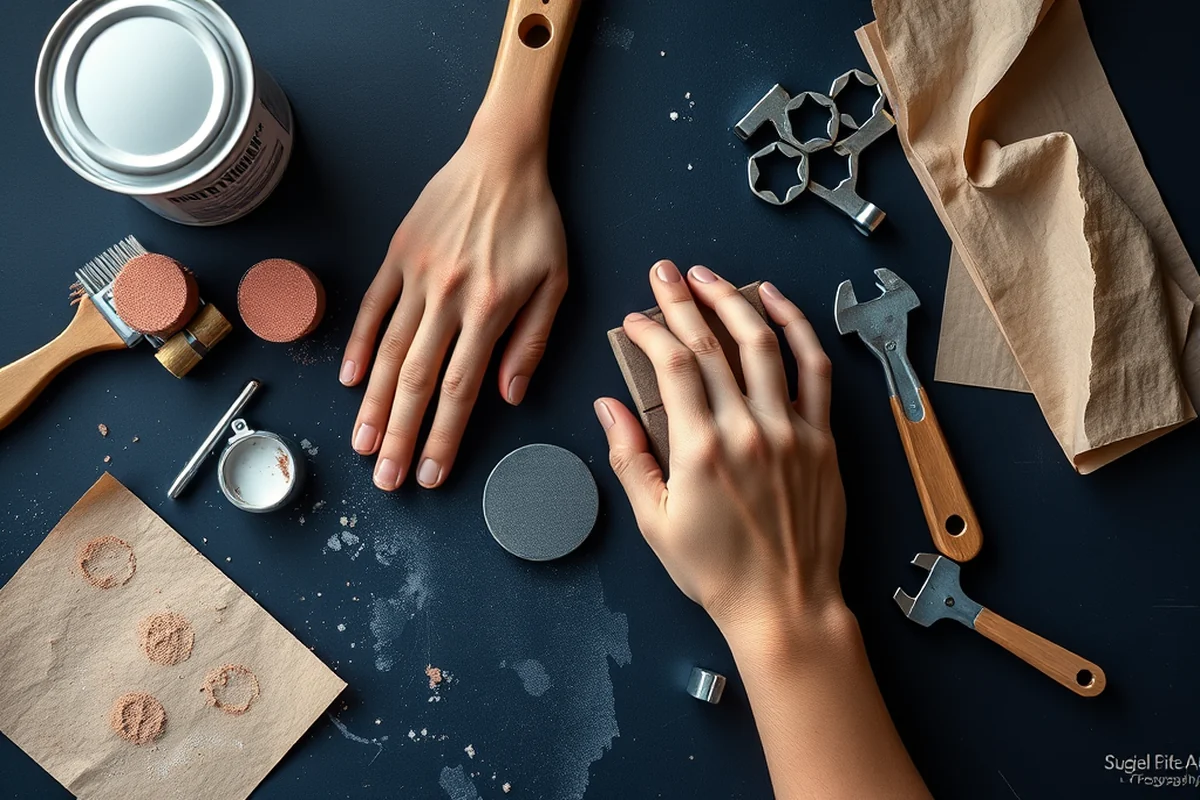
Before you start cutting wood, it's important to sketch out your design and consider the dimensions and layout. I've found that using graph paper or a digital design tool like SketchUp helps visualize the final product and catch any potential issues before you begin.
When designing, think about how the piece will be used. For example, a coffee table should have enough clearance to prevent items from falling through, and a bookshelf needs to be sturdy enough to hold heavy books. I designed my first bookshelf with a 30-inch height and 12-inch shelves, which worked well for my space.[2]
It's also a good idea to look at existing furniture for inspiration. I've found that browsing online marketplaces and DIY forums gives a great sense of what's possible and how others have approached similar projects.
Related: Diy wooden garden projects vs
Assembling Your DIY Wooden Furniture
Once you've cut and shaped all your pieces, the next step is to assemble them. I've found that using wood glue in addition to screws helps create a stronger bond. It's also important to follow the manufacturer's instructions for any hardware you're using, such as hinges or drawer slides.
When I built my first bench, I used a combination of wood glue and screws to ensure it was secure. I also applied a few drops of glue to the joints before tightening the screws, which helped hold the pieces in place while the glue dried.
After assembling the main structure, I took the time to sand everything down and apply a finish. I used a wood stain and a clear polyurethane top coat, which not only protected the wood but also gave it a nice finish.
Related: Diy wooden garden trug vs
Finishing Touches for a Professional Look
The final step in building your DIY wooden furniture is applying a finish. I've used wood stain, paint, and polyurethane to achieve different looks. The type of finish you choose will depend on the wood you're using and the desired effect.
When I built my coffee table, I used a wood stain to bring out the natural grain of the pine. After the stain dried, I applied a clear polyurethane top coat to protect the surface and make it more durable. The result was a beautiful, finished piece that I'm still proud of.
It's also important to apply the finish in a well-ventilated area and to follow the manufacturer's instructions carefully. I've found that using a brush or a spray gun works best, depending on the type of finish you're using.
A great finish can make a world of difference in your DIY project.
Related: Diy wooden garden planters vs
Maintaining Your DIY Wooden Furniture
Even the best-built DIY wooden furniture will need some maintenance over time. Regular cleaning with a soft cloth and mild soap helps keep the surface looking new. I've found that wiping down my furniture every few weeks helps prevent dust and grime from building up.
If your furniture is used outdoors, it's important to protect it from the elements. I've used a waterproof sealant on my garden bench to help it withstand rain and sun. This has kept the wood looking good and prevented warping or cracking.
Periodically reapplying a finish or wax can also help preserve the wood's appearance and protect it from wear and tear. I've found that doing this every few years is enough to keep my furniture looking great for years to come.
💰 Budget Build
Use recycled wood and basic tools to create a simple, cost-effective piece of furniture.
⏰ Weekend Version
A quick and easy project that can be completed in one day using pre-cut wood and simple hardware.
✨ Upgraded Finish
Add a custom stain or paint to give your furniture a professional, polished look.
🏠 Small-Space Adaptation
Create a compact, multi-functional piece of furniture that fits perfectly in a small apartment or home office.
арендовать Rental-Safe Option
Build a temporary piece of furniture that can be easily disassembled and moved when you're ready to relocate.
| The mistake | Why it happens | The fix |
|---|---|---|
| Using the wrong type of wood for the project. | Using a softwood for a high-traffic area can lead to warping, cracking, or damage over time. | Choose the right wood based on the project's use and environment. For outdoor use, select weather-resistant woods like cedar or redwood. |
| Ignoring proper joint assembly. | Weak or improperly assembled joints can result in a wobbly or unstable piece of furniture. | Use strong joints like mortise and tenon or dowel joints, and reinforce them with wood glue and screws. |
| Skipping the sanding step. | Skipping sanding can leave rough, splintered edges and make the final finish look unprofessional. | Always sand your furniture after cutting and assembling to achieve a smooth, polished surface. |
| Not accounting for wood shrinkage or expansion. | Wood can expand or contract with changes in humidity, leading to warping or gaps in your furniture over time. | Allow your wood to acclimate to the environment before starting your project, and leave room for expansion in your design. |
Diy Wooden Furniture Alternatives
Common Questions
Can I build wooden furniture if I have no experience?
What type of wood should I use for outdoor furniture?
How do I ensure my furniture is stable?
What tools are essential for DIY wooden furniture?
References
- Furniture Manufacturing | P2 - ADEQ (azdeq.gov)
- A review of oil palm biocomposites for furniture design and ... (bioresources.cnr.ncsu.edu)
- A Touch of Refinement - BYU Studies (byustudies.byu.edu)
- ADCVD Section 301 Bedroom Furniture Cabinets and Mattresses (cbp.gov)
Cite this guide
DIY Wooden Garden Path Markers (2026). Diy Wooden Furniture Alternatives. https://woodenroot.com/diy-wooden-furniture-alternatives/
Feel free to cite or share this guide.