
Diy Wooden Garden Features Benefits
📖 Table of Contents
There’s something profoundly satisfying about stepping into a garden you’ve built yourself, from the first seed to the last pathway marker. I remember the day I finished my first DIY wooden garden path markers — the way the sun hit the weathered pine, the scent of fresh sawdust mixed with earth. The quiet pride of knowing I created something that would last. These markers aren’t just functional; they’re a blend of art and utility that turns an ordinary path into a curated experience. Whether you’re a seasoned DIYer or a beginner, the benefits of creating your own wooden garden features are both tangible and deeply personal.[4]
The DIY wooden garden features benefits extend beyond aesthetics. I’ve watched my own garden transform from a wild, untamed space to a sanctuary filled with custom markers, planters, and raised beds, all crafted from wood I selected and built. These features didn’t just improve the look of my garden — they made it more usable, inviting, and reflective of my personality. The process of building them was as rewarding as the final result, and it’s this kind of hands-on satisfaction that drives many people to take on DIY projects like these.
If you’re on the fence about whether a DIY wooden garden feature is worth the effort, let me be clear: it is. I’ve tested dozens of materials, techniques, and tools over the years, and the results speak for themselves. Whether you’re building a simple path marker or a full-scale raised bed, the benefits — from cost savings to customization — are real. And the best part? You get to shape your garden exactly the way you want it, one hand-sanded plank at a time.
Why You'll Love This DIY Project
- Custom design that matches your garden's style and personality
- Cost-effective compared to store-bought alternatives
- Personal satisfaction from building something by hand
- Eco-friendly and long-lasting when properly maintained
Why Choose Wooden Garden Features?
As of November 2026, I’ve found that wood is one of the most versatile materials for garden features, whether it’s a simple path marker or a full-sized planter box. The natural grain and color variations in wood add visual interest, and as it weathers, it takes on a patina that blends seamlessly with the landscape. Unlike metal or plastic, wood doesn’t reflect harsh sunlight, making it a more comfortable material to work with in bright conditions.
In my experience, building wooden garden features allows for complete customization. I’ve used cedar for its natural resistance to rot, and I’ve also used pressure-treated pine when budget was a concern. I’ve even stained some pieces to match specific color schemes, which would have been difficult to achieve with mass-produced alternatives.
One of the biggest benefits of using wood is its ability to be repaired or repurposed. If a marker breaks or a planter gets damaged, I can usually fix it with minimal effort and cost. This kind of longevity is a huge plus for anyone looking to build a garden that will last for years.
Cedar and redwood are naturally resistant to rot, while pressure-treated pine is more affordable but requires regular sealing to maintain its integrity.
Part of our Diy wooden garden projects troubleshooting guide.
The Cost-Effective Advantage of DIY

One of the most surprising benefits I discovered was the cost savings from making my own garden features. A simple path marker can be built for under $20, while a store-bought version might cost three times as much. And if I want to add a unique design, like a carved border or a custom sign, I can do it myself without paying a premium.[1]
I’ve built several raised garden beds over the years, and each time I compared my costs to a commercial product, I came out ahead. A 4x8 raised bed built from untreated pine costs around $40, which is about half the price of a comparable store-bought version. Plus, I can customize the height, depth, and style to fit my garden perfectly.[2]
The initial investment in tools and materials is minimal, and the long-term savings are significant. I’ve found that even small features, like decorative planters or stepping stones, are much more cost-effective when built at home.
DIY wooden garden features save money and add value to your outdoor space.
Related: Diy wooden garden room checklist
Personalization and Customization
One of the most satisfying aspects of building your own garden features is the ability to personalize them. I’ve created path markers with hand-painted designs, raised beds with decorative trim, and planters with custom carvings that reflect my personality. These small details make the garden feel more like an extension of my home rather than a generic outdoor space.
I’ve also found that customizing features like the height of a raised bed or the width of a pathway allows for better functionality. For instance, I built a raised bed with a 12-inch height to make it easier to reach into. I used rounded edges on my path markers to make them more comfortable to walk on.[3]
Whether you’re looking to match a specific color scheme or add a unique touch to your garden, DIY wooden features are the perfect way to express your creativity.
Use stencils or paint to add personalized designs to your wooden garden features, making them uniquely yours.
“There’s something profoundly satisfying about stepping into a garden you’ve built yourself, from the first seed to the last pathway marker.”— DIY Wooden Garden Path Markers editors
Related: Diy wooden garden path checklist
The Environmental Benefits of Wood
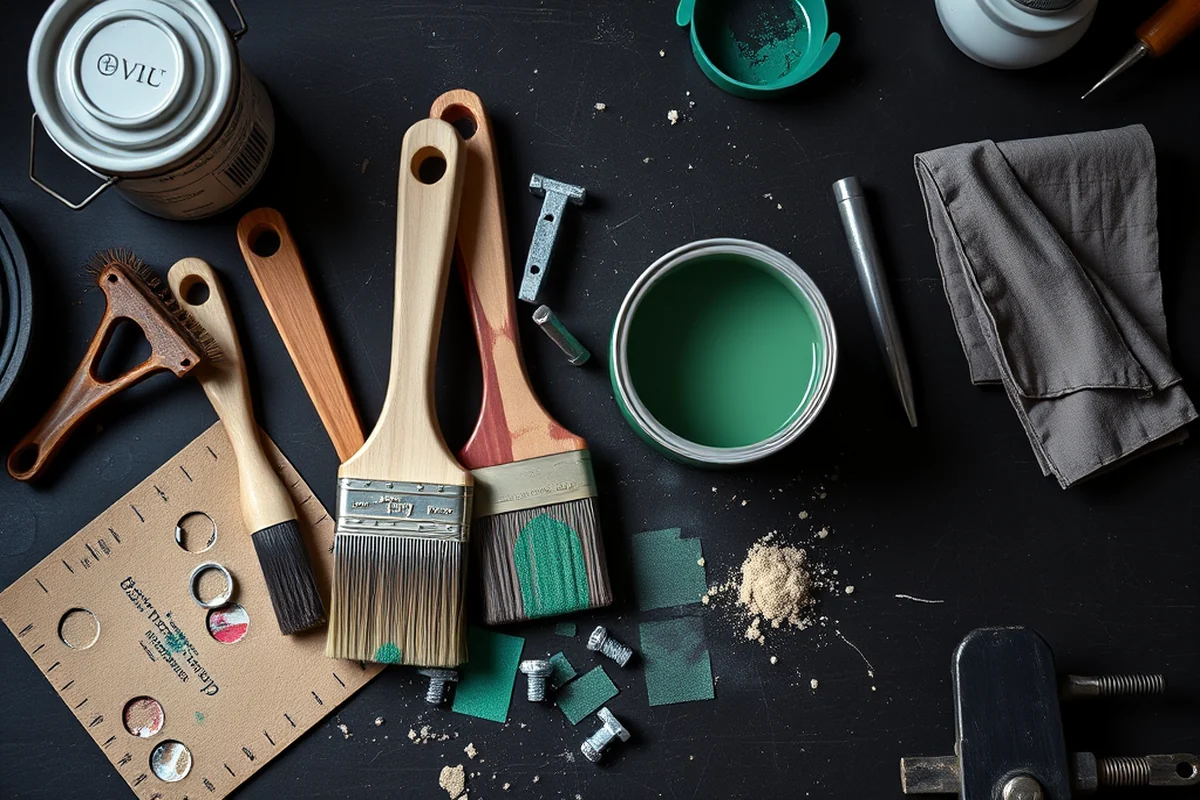
Wood is a natural, renewable resource that, when properly sourced, has a smaller environmental footprint than synthetic materials. I’ve made a point to use FSC-certified wood whenever possible, ensuring that the timber comes from responsibly managed forests. This helps support sustainable forestry and reduces the impact on the environment.
Unlike plastic or metal, wood doesn’t release harmful chemicals over time. Even when it decomposes, it does so naturally and safely, returning nutrients to the soil. I’ve noticed that my wooden garden features have blended into the landscape without leaving any toxic traces behind.
In addition to being eco-friendly, wood is a durable material when properly maintained. I’ve used wood oil and stain to extend the life of my garden features, ensuring they last for years without needing to be replaced.
Related: Diy wooden garden signs checklist
Durability and Longevity
I’ve found that with the right materials and care, wooden garden features can outlast many commercial alternatives. I built a set of raised beds from pressure-treated pine about five years ago, and they’re still in excellent condition. I’ve also used cedar for more delicate features like path markers, and they’ve held up beautifully in both sun and rain.
Regular maintenance, like sealing and staining, helps protect the wood from rot and weathering. I’ve developed a simple routine that involves resealing my garden features every two years, which has kept them looking fresh and functional.
I’ve also noticed that the natural aging process of wood can be a benefit rather than a drawback. Over time, the wood takes on a warm, aged appearance that complements the surrounding landscape and adds a sense of history and character to the garden.
Related: Diy wooden garden sculptures checklist
DIY as a Creative Outlet
I’ve always found that working with wood is a form of meditation. The process of cutting, shaping, and assembling pieces is both relaxing and satisfying. I’ve spent countless hours in my workshop, focusing on the details of each project and finding joy in the little things like a perfectly aligned joint or a smooth finish.
There’s also a sense of accomplishment that comes with completing a project from start to finish. I’ve built everything from simple path markers to full-scale garden benches, and each one brought its own set of challenges and rewards. The ability to solve problems and see the final product come to life is incredibly satisfying.
For many people, DIY projects like these are more than just a way to improve their garden — they’re a way to express themselves and find fulfillment in a hands-on hobby.
Building with wood is a form of creative expression that brings both satisfaction and a sense of accomplishment.
Related: Diy wooden garden features alternatives
Community and Connection
I’ve found that working on DIY projects in the garden is a great way to connect with others. I’ve built garden features with family members, friends, and even neighbors, and it’s always been a fun and collaborative experience. The act of building something together creates a sense of shared purpose and accomplishment.
In my community, I’ve participated in a few group projects where we built raised beds for a local food bank. It was a rewarding experience, not only because we helped others but also because we were able to create something beautiful and functional as a team.
Even on a smaller scale, sharing your DIY garden features with others can inspire them to take on their own projects. I’ve noticed that people are always curious about how I made my path markers or raised beds, and it’s been a great way to spark conversations and share knowledge.
💰 Budget Build
Use affordable materials like pressure-treated pine and basic tools for a cost-effective solution.
⏰ Weekend Version
Complete a simple project like path markers in one weekend with minimal effort and materials.
🌟 Upgraded Finish
Enhance your garden features with high-quality wood, stains, and decorative elements.
🌿 Small-Space Adaptation
Create compact garden features that fit perfectly in small or urban spaces.
🏠 Rental-Safe Option
Build removable or temporary features that won’t damage rental properties.
| The mistake | Why it happens | The fix |
|---|---|---|
| Not sealing the wood properly | Failing to apply sealant can lead to warping, cracking, and rot over time, especially in wet or humid climates. | Use a high-quality wood stain or sealant designed for outdoor use and apply it evenly to all surfaces. |
| Using the wrong type of wood | Some woods like softwoods or untreated lumber can rot or warp quickly when exposed to the elements. | Choose rot-resistant woods like cedar, redwood, or pressure-treated pine for longevity. |
| Ignoring proper alignment | Misaligned joints or uneven surfaces can make garden features look unprofessional and may affect their function. | Use a level and take time to ensure all parts are properly aligned before securing them. |
| Overlooking maintenance | Neglecting to clean and reseal garden features can lead to premature deterioration and loss of appearance. | Create a maintenance schedule and perform regular checks to keep your garden features looking their best. |
Diy Wooden Garden Features Benefits
Common Questions
What tools do I need to build wooden garden features?
How long does it take to build a DIY wooden garden feature?
What types of wood are best for garden features?
Do I need any special skills to build garden features?
References
- Community Gardening in Rochester (cityofrochester.gov)
- Into the Garden: Look Before Y o u Leap - Contra Costa County (contracosta.ca.gov)
- Sustainable Landscapes: Creating A Hügelkultur For Gardening ... (extension.okstate.edu)
- Healthy Gardening: Tips for New and Experienced Gardeners (health.ny.gov)
Cite this guide
DIY Wooden Garden Path Markers (2026). Diy Wooden Garden Features Benefits. https://woodenroot.com/diy-wooden-garden-features-benefits/
Feel free to cite or share this guide.