
Wooden Deck Railing Designs
📖 Table of Contents
- Choosing the Right Wood for Your Deck Railing
- Designing the Structure of Your Deck Railing
- Adding Unique Details to Your Railing
- Staining and Sealing Your Deck Railing
- Ensuring Proper Installation and Safety
- Maintaining Your Wooden Deck Railing
- Inspiration for Your Wooden Deck Railing Design
- Make It Your Way
- Frequently Asked Questions
The first time I installed a wooden deck railing, I had no idea how much it would change the way I saw my outdoor space. The process was slow, tedious, and at times frustrating, but the end result was worth every minute. With the right wooden deck railing designs, your deck can feel more welcoming, safer, and even more elegant than it ever has before. Whether you're looking to add a touch of rustic charm or go for a sleek modern look, there's a railing design that can make your deck feel like an extension of your home.
I remember standing on the steps of my backyard, looking at the raw lumber in my hands, and wondering if I could really build something that would last. But over the next few hours, as I cut, sanded, and assembled each piece, I started to see the transformation. Wooden deck railings aren't just functional; they're a chance to express your personality and creativity. By choosing the right wooden deck railing designs, you're not just building a railing—you're crafting a feature that will be a part of your life for years to come.
The key to a successful wooden deck railing design lies in the details. From selecting the right type of wood to ensuring the structure is secure and long-lasting, every step matters. Whether you're a seasoned DIYer or just starting out, the satisfaction of building your own deck railing is unparalleled. As I learned through trial and error, the right design can make all the difference in both aesthetics and safety. (1125, kingsporttn.gov)[1]
Why You'll Love This Wooden Deck Railing Design Project
- Add a personalized, handcrafted touch to your outdoor space.
- Increase the safety and functionality of your deck with proper design.
- Save money by creating a unique railing instead of buying a store-bought version.
- Enjoy the satisfaction of building something with your own hands.
Choosing the Right Wood for Your Deck Railing
As of September 2026, the wood you choose will significantly impact the look and longevity of your deck railing. Common options include cedar, redwood, pressure-treated pine, and composite materials. Cedar and redwood are naturally resistant to rot and insects, making them excellent choices for outdoor use. Pressure-treated pine is more affordable but may require more maintenance over time.
I personally went with cedar for my project, and after two years, it still looks great with minimal upkeep. It's important to consider the climate in your area and the level of maintenance you're willing to commit to. If you're looking for a low-maintenance option, composite railings are also a great choice, though they can be more expensive.
Another factor to consider is the grain and texture of the wood. A wood with a tight grain and smooth texture is easier to work with and will look more refined in the end. Always choose wood that is properly dried to prevent warping or cracking over time.
Select wood that is naturally resistant to rot and insects, such as cedar or redwood, for a long-lasting wooden deck railing design.
Part of our Diy wooden garden features templates guide.
Designing the Structure of Your Deck Railing
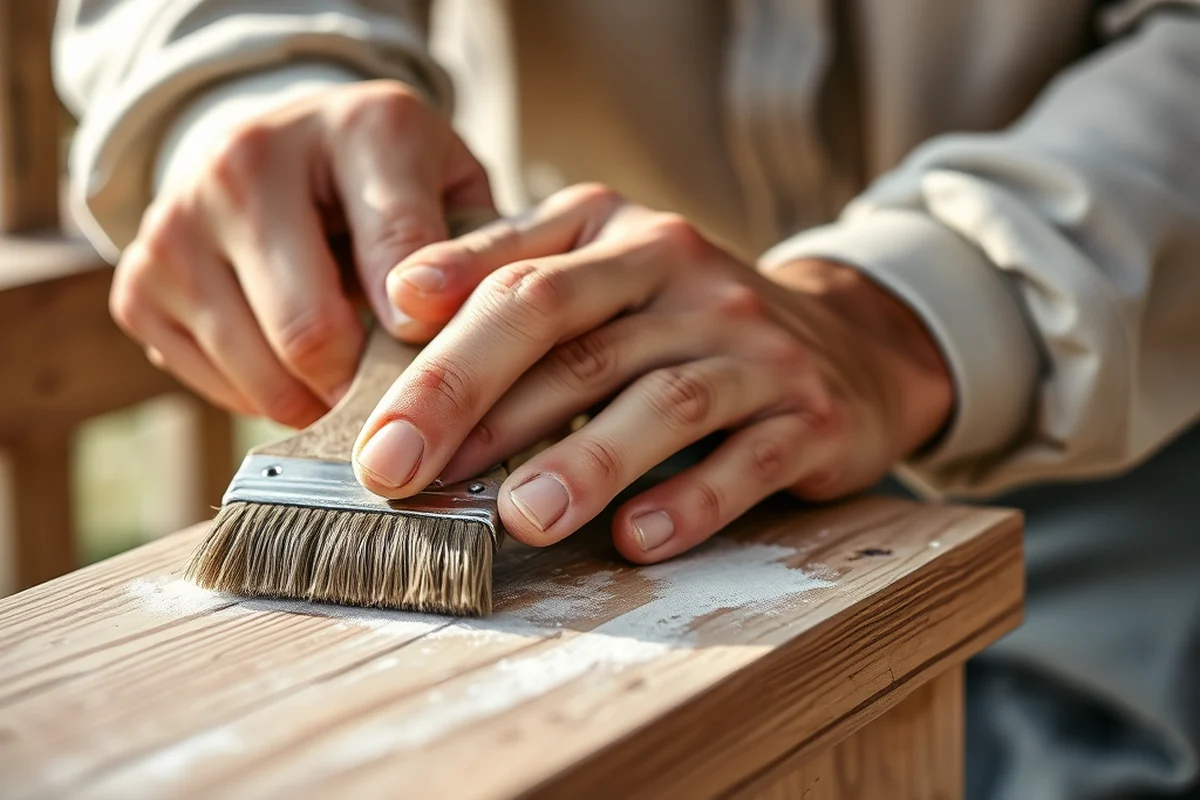
The framework of your deck railing should be sturdy and well-constructed to ensure it can support the weight and withstand the elements. Start by measuring the length of your deck and determining the spacing between posts. Posts are typically spaced no more than 8 feet apart to maintain structural integrity.
I used 4x4 posts and 2x4 balusters for my railing, which gave it a strong and stable feel. The spacing between balusters should not exceed 4 inches to prevent small children or pets from slipping through. This is a critical safety detail that should never be overlooked.
When designing the structure, always consider the height of the railing, which should be at least 34 inches for decks that are more than 30 inches above the ground. This standard ensures that the railing is both safe and compliant with building codes.[2]
A well-designed wooden deck railing is a blend of form and function.
Related: Sola wood flowers
Related: Wooden garden bench plans
Related: Cheap diy wooden garden chair
Related: Diy wooden garden walkway comparison
Adding Unique Details to Your Railing
Once the basic structure is in place, you can add personal touches that make your railing stand out. This could include decorative balusters, carved details, or even a unique top rail. These small additions can make a big difference in the overall look of your deck.
I added carved balusters to my railing, which gave it a rustic and handcrafted feel. These details didn't cost much but made the railing feel more custom and personal. You can also paint or stain the railing to match your home's exterior or to add a pop of color.
Another option is to use different wood species or finishes for contrast. For example, using a darker wood for the posts and a lighter wood for the balusters can create a striking visual effect. Always ensure that any decorative elements are securely attached to avoid safety hazards.
Incorporate carved details, painted accents, or contrasting wood types to make your wooden deck railing design stand out.
“The first time I installed a wooden deck railing, I had no idea how much it would change the way I saw my outdoor space.”— DIY Wooden Garden Path Markers editors
Related: How to diy wooden garden pathway
Staining and Sealing Your Deck Railing

After the structure is complete, the next step is to stain and seal your railing to protect it from the elements. A high-quality exterior wood stain will not only enhance the natural beauty of the wood but also provide a protective layer against UV rays, moisture, and decay.
I used a semi-transparent stain that allowed the wood grain to show through, giving it a natural, aged look. After staining, I applied a clear sealant to lock in the color and add an extra layer of protection. This process took about two hours, but it was well worth the effort for the long-term benefits.
It's important to apply the stain and sealant evenly and to allow each coat to dry completely before applying the next. Always follow the manufacturer's instructions to ensure the best results. Regular maintenance, such as reapplying sealant every 1-2 years, will help your railing look its best for years to come.
Ensuring Proper Installation and Safety
After the railing is built and finished, the final step is installation. This involves attaching the posts to the deck and securing the railings in place. It's crucial to ensure that the posts are properly anchored into the deck structure to prevent any movement or wobbling.
I used lag bolts to secure the posts into the deck, which provided a strong and stable connection. It's also important to check that all screws and fasteners are tightened properly and that the railing is level. Any wobbling or instability should be addressed immediately to avoid safety risks.
Always follow local building codes and regulations when installing your deck railing. If in doubt, consult a professional or use a level and measuring tool to ensure everything is properly aligned. A well-installed deck railing is a safe and secure addition to your outdoor space.
Maintaining Your Wooden Deck Railing
Over time, your wooden deck railing will require some maintenance to keep it in good condition. This includes cleaning, resealing, and checking for any signs of wear or damage. Regular maintenance can extend the life of your railing and keep it looking fresh and new.
I make it a point to clean my railing at least once a year with a mild soap and water solution. This helps remove dirt, mold, and mildew that can build up over time. After cleaning, I reapply a fresh coat of sealant to protect the wood and maintain its appearance.
It's also important to inspect the railing regularly for any loose screws, warping, or cracks. If any issues are found, they should be addressed promptly to prevent further damage. A little time and effort now can save you from expensive repairs later on.
A little maintenance goes a long way in preserving the beauty and safety of your wooden deck railing.
Inspiration for Your Wooden Deck Railing Design
There are countless wooden deck railing designs to choose from, each with its own unique look and feel. Whether you're drawn to a rustic, natural look or a modern, clean design, there's a style that can match your home and personal taste.
I found a lot of inspiration from online sources, including Pinterest and DIY forums, where I could see examples of different styles and techniques. It was helpful to look at real-life examples to get a better sense of how different designs would look in my own space.
Don't be afraid to mix and match different elements to create a custom look that's all your own. Whether it's adding a unique baluster pattern or using a contrasting wood for the posts, every detail can contribute to the overall design of your deck railing.
💰 Budget Build
Use pressure-treated pine for the structure and paint or stain it for a cost-effective, durable solution.
⏳ Weekend Version
Opt for pre-cut lumber and simple designs to complete your wooden deck railing in a single day.
✨ Upgraded Finish
Choose cedar or redwood for a premium look and apply a high-quality wood stain for a refined finish.
🪑 Small-Space Adaptation
Use vertical balusters or a slat-style design to create a more open and less bulky appearance on smaller decks.
🔒 Rental-Safe Option
Use temporary fasteners and avoid permanent modifications to protect the rental property's structure.
| The mistake | Why it happens | The fix |
|---|---|---|
| Using the wrong type of wood | Using a wood that is not resistant to rot or insects can lead to a shorter lifespan and more frequent maintenance. | Choose a wood type that is naturally resistant to decay, such as cedar or redwood. |
| Ignoring local building codes | Failing to follow local building codes can result in a structurally unsafe railing that may not meet legal requirements. | Always consult local building codes and regulations before installing your deck railing. |
| Overlooking the spacing between balusters | Inadequate spacing between balusters can be a serious safety hazard, especially for children and pets. | Ensure that the spacing between balusters does not exceed 4 inches. |
| Neglecting to seal the wood properly | Failing to apply a proper sealant can cause the wood to warp, crack, or decay over time. | Use a high-quality exterior wood stain and apply a clear sealant to protect the wood from the elements. |
Wooden Deck Railing Designs
Common Questions
Can I use a different type of wood for my deck railing?
How long does it take to build a wooden deck railing?
What is the best way to secure the posts to the deck?
How often should I maintain my wooden deck railing?
References
- Kingsport Design Review Guidelines Historic Zoning Commission ... (kingsporttn.gov)
- Bridge and Structures Design Manual - GDOT (dot.ga.gov)
Cite this guide
DIY Wooden Garden Path Markers (2026). Wooden Deck Railing Designs. https://woodenroot.com/wooden-deck-railing-designs/
Feel free to cite or share this guide.