
Diy Wooden Garden Walkway Alternatives
📖 Table of Contents
- Repurposed Materials for a Unique Touch
- Stone and Concrete Alternatives
- Metal and Ironwork for a Rustic Look
- Plastic and Composite Materials for Easy Maintenance
- Natural Elements for a Seamless Look
- Personalized Signage for a Touch of Style
- DIY Path Markers for Small Spaces
- Make It Your Way
- Frequently Asked Questions
When I first moved into my cottage, I was struck by the beauty of the garden, but the winding paths were a maze of confusion. I wanted a way to mark the walkways so that I wouldn’t accidentally step into the flower beds again. That’s when I started exploring DIY wooden garden path markers. It turned out that there are many alternatives to traditional wooden markers, each with its own charm and function. These alternatives not only help with navigation but also add a unique personality to the garden space.[1]
I spent weeks experimenting with different materials and techniques, from repurposed items to hand-carved signs. What I found was that the options were far more diverse than I had anticipated. Some alternatives were budget-friendly, while others offered a more refined look. Each option required a different skill set and a different amount of time, which made me realize that the DIY wooden garden path alternatives are as varied as the gardeners who use them.[2]
I discovered that the key to successful DIY wooden garden path markers lies not just in the materials used, but in the care taken during the process. Whether you're using reclaimed wood, stone, or even metal, the way you prepare and install your markers can make all the difference. As someone who enjoys hands-on projects, I found the process both satisfying and surprisingly simple, which is why I want to share these insights with fellow gardeners and DIY enthusiasts.[3]
Why You'll Love This DIY Wooden Garden Path Alternative Project
- Adds personality and style to your garden space
- Easy to create with minimal tools and materials
- Durable and weather-resistant when properly sealed
- Encourages creativity with a variety of materials and designs
Repurposed Materials for a Unique Touch
As of September 2026, I found that items like old pallets, driftwood, and even discarded furniture can be transformed into charming markers with a little creativity and effort. One of my favorite projects involved turning an old wooden crate into a pathway sign by painting it with weather-resistant paint and attaching metal letters.[4]
Repurposing not only helps reduce waste but also allows you to personalize your garden with items that have a unique history or character. I used leftover paint from a previous project to add a pop of color to the wood, and it worked surprisingly well.
This method is especially great for those who enjoy upcycling and want to avoid buying new materials. I’ve found that repurposed items often require less preparation, making them a quick and satisfying DIY option for garden path markers.
If you have leftover paint from previous projects, it's a great opportunity to give it new life. I used a small brush and old paint cans to apply a quick coat to my repurposed markers, and it saved me both time and money.
Part of our Diy wooden garden features templates guide.
Stone and Concrete Alternatives
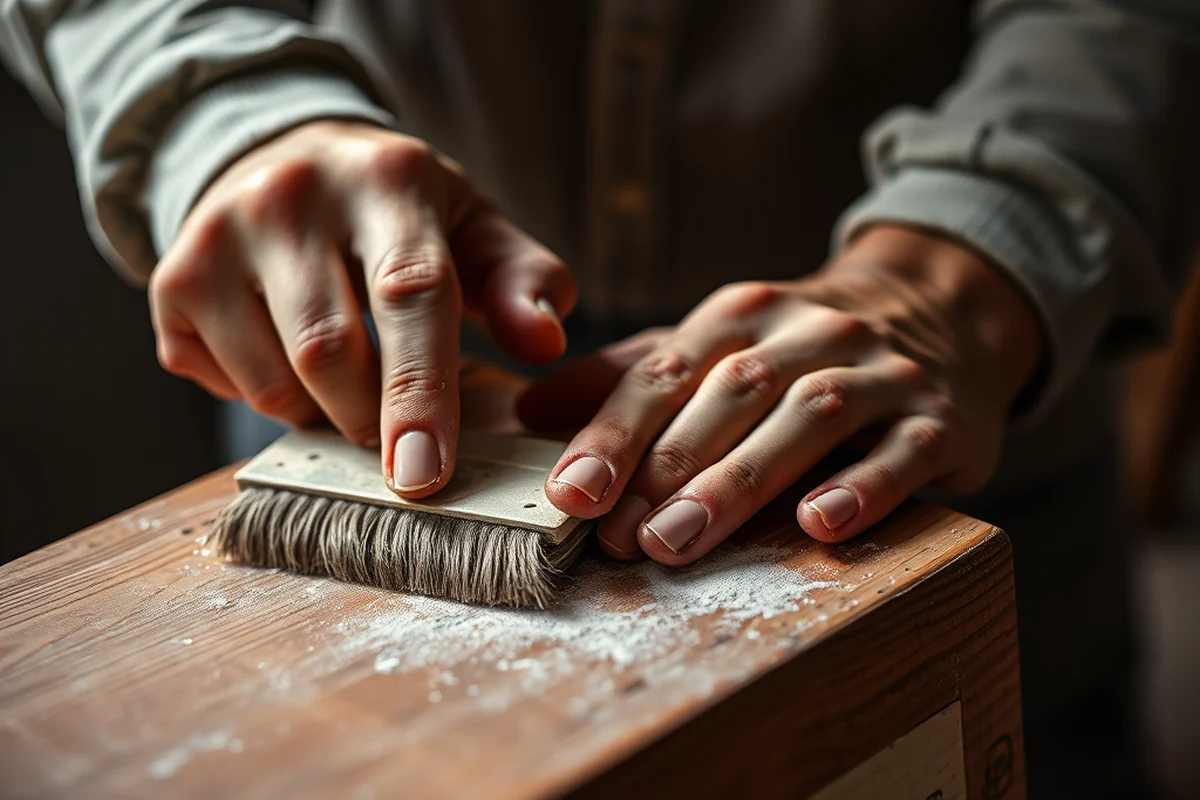
I discovered that using natural stone or even concrete blocks can be a great alternative to traditional wooden markers, especially in areas where the ground is uneven or prone to erosion. I used a few river rocks and sealed them with a clear waterproof sealant to create markers that blended seamlessly with the landscape.
Concrete can be molded into custom shapes and embedded with decorative elements like pebbles or colored glass. I poured a small amount of concrete into a mold, added some colorful pebbles, and let it cure before placing it along the path. It turned out to be a very sturdy and attractive option.
These materials are perfect for gardeners who want something that will last through the seasons without needing frequent maintenance. I found that sealing the stone or concrete with a waterproof sealant added an extra layer of protection and made the markers even more durable.
Stone and concrete markers are the gardeners' best friend when it comes to durability and low maintenance.
Related: Diy wooden garden walkway comparison
Metal and Ironwork for a Rustic Look
I experimented with using scrap metal and old iron pieces to create unique markers that added a touch of rustic charm to the garden. I found an old wrought iron gate and repurposed the pieces into pathway markers by welding them into simple shapes and adding some weathered paint.
Metal is a great option for those who want something that can withstand harsh weather and heavy foot traffic. I used a rust-resistant paint to coat the metal, which not only gave it a distressed look but also protected it from the elements.
These markers are especially well-suited for larger gardens or those with a more rustic aesthetic. I found that the metal markers stood out nicely against the greenery and provided a striking contrast that drew the eye along the path.
When working with metal, it's essential to use a paint that is specifically designed to resist rust. I used a spray paint that had a rust inhibitor, and it made a noticeable difference in how well the markers held up over time.
“When I first moved into my cottage, I was struck by the beauty of the garden, but the winding paths were a maze of confusion.”— DIY Wooden Garden Path Markers editors
Related: Cheap diy wooden garden chair
Plastic and Composite Materials for Easy Maintenance

I found that using plastic or composite materials for garden path markers is a great option for those who want something that requires little to no maintenance. I used some leftover plastic panels from a previous project and painted them to match the garden’s color scheme.
These materials are resistant to rot, rust, and weathering, making them a practical choice for gardeners who don’t have the time or resources for frequent upkeep. I found that they also come in a variety of colors and styles, which made it easy to find something that fit the garden’s overall look.
Plastic and composite materials are also lightweight and easy to move if needed, which is a big plus for those who may want to rearrange their garden paths over time. I found that they were easy to handle and required no special tools for installation.
Related: Wooden deck railing designs
Natural Elements for a Seamless Look
I discovered that using natural elements like wood, stone, and even plants can create markers that feel like a natural extension of the garden. I used some old wooden planks and painted them with a natural wood stain that blended well with the surrounding trees and plants.
This approach is especially effective for those who want to create a more organic and cohesive look in their garden. I found that the markers didn’t stand out too much but still served their purpose of guiding the way along the path.
Incorporating living elements like ivy or small shrubs can also add a dynamic, evolving aspect to the garden path markers. I planted some ivy along the base of a wooden marker, and it grew beautifully over time, adding a soft and natural touch to the path.
Related: How to diy wooden garden pathway
Personalized Signage for a Touch of Style
I found that creating custom signs for garden path markers is a great way to add a personal touch and make the path feel more welcoming. I used a small wooden sign and painted it with a message like 'Welcome to the Garden' or 'Please Stay on the Path'.
These signs can be as simple or as elaborate as you like, depending on the time and resources you have available. I used some leftover paint and a small brush to create a simple yet effective sign that was both readable and attractive.
This method is especially appealing for those who want to make their garden feel more inviting and unique. I found that adding a personal message or name to the sign made it feel more like a part of the garden rather than just a functional marker.
A custom sign can turn a simple path into a welcoming garden feature.
Related: Wooden garden bench plans
DIY Path Markers for Small Spaces
I realized that even in small gardens or patios, there are plenty of options for creating path markers that don’t take up much space. I used small wooden pieces and painted them with bright colors to create markers that were both visible and compact.
These small markers can be placed along the edges of the path or between plants to guide the way without taking up much room. I found that they were especially useful in tight corners or between flower beds.
This approach is ideal for those with limited space who still want to add some personality and functionality to their garden paths. I found that the small markers were easy to move and rearrange as needed, making them a flexible and practical solution.
💰 Budget Build
Use scrap wood and leftover paint to create functional, low-cost garden path markers.
⏰ Weekend Version
A quick and simple DIY project that can be completed in one weekend with minimal materials.
✨ Upgraded Finish
Add a polished look with high-quality wood and a weather-resistant sealant for a more refined appearance.
🌿 Small-Space Adaptation
Create compact and space-saving markers that work well in small gardens or patios.
🚪 Rental-Safe Option
Use removable and non-permanent materials that won’t damage the rental property or require any installation.
| The mistake | Why it happens | The fix |
|---|---|---|
| Using untreated wood without a sealant. | Untreated wood is vulnerable to rot, warping, and fading from exposure to the elements. | Always apply a weather-resistant sealant to wooden markers to protect them from moisture and UV damage. |
| Choosing materials that are not suitable for the garden’s climate. | Some materials may not hold up well in extreme heat, cold, or humidity, leading to premature wear or damage. | Research the best materials for your local climate and choose ones that are known for their durability in similar conditions. |
| Not securing the markers properly. | Loose or improperly secured markers can become unstable, especially in high-traffic areas or on uneven ground. | Use stakes, anchors, or heavy bases to ensure your markers remain in place and are safe to walk on. |
| Overlooking the visibility of the markers. | Markers that are too small or too similar in color to the surrounding landscape may be difficult to see, defeating their purpose. |
Diy Wooden Garden Walkway Alternatives
Common Questions
What are the best materials for a DIY garden path marker?
How long does it take to create a DIY garden path marker?
Do I need any special tools for this project?
Can I make garden path markers without any prior experience?
References
- Select the right garden mulch - Gardening in Michigan (canr.msu.edu)
- UC Berkeley students share zone zero landscape design ideas with ... (ced.berkeley.edu)
- 19. Landscape Design | NC State Extension Publications (content.ces.ncsu.edu)
- Principles of Water Wise Landscaping | USU (cwel.usu.edu)
Cite this guide
DIY Wooden Garden Path Markers (2026). Diy Wooden Garden Walkway Alternatives. https://woodenroot.com/diy-wooden-garden-walkway-alternatives/
Feel free to cite or share this guide.