
What Is Cheaper Wood Or Chain Link Fence
📖 Table of Contents
- How to Choose the Right Material for Your Fence
- The Hidden Costs of Chain Link Fencing
- The Long-Term Value of a Wood Fence
- Installation Costs: What to Expect
- The Impact of Climate on Fence Materials
- The Aesthetic Appeal of Wood Fencing
- The Environmental Impact of Your Fence Choice
- Make It Your Way
- Frequently Asked Questions
I remember the first time I stood at the edge of my garden, staring at the unfinished fence, the sun blazing overhead and my hands full of tools. The decision between wood and chain link fence was more than just a matter of cost—it was about durability, aesthetics, and how much time I was willing to invest. After weeks of research, I finally settled on a wood fence that, while more expensive upfront, saved me money in the long run. That experience taught me that the answer to 'what is cheaper wood or chain link fence' is rarely straightforward.[1]
Wood fences can range from $10 to $30 per linear foot, depending on the type of wood and finish, while chain link fences are often cheaper to install at first, starting around $3 to $6 per linear foot. However, I learned that over time, wood requires less maintenance and can last up to 20 years, while chain link may need more frequent repairs, especially in harsh weather conditions. This led me to question the real cost: Was the initial lower price of chain link worth the headaches down the line?[2]
What surprised me was the hidden cost of chain link fencing. I had assumed that because it was cheaper, it would be the more economical choice. But I found that over time, the need for replacements, rust repairs, and the lack of privacy made it feel like a false economy. In contrast, the wood fence I built, while more expensive at first, gave me the peace of mind that I wouldn’t be scrambling to fix it in a few years.
Why You'll Love This DIY Wood Fence Guide
- You’ll get a long-term investment with minimal upkeep.
- You’ll avoid the hidden costs of chain link fencing, like frequent repairs.
- You can customize the wood fence to match your garden’s style.
- You’ll save time and stress by choosing the right material upfront.
How to Choose the Right Material for Your Fence
As of September 2026, the best way to decide between wood and chain link fence is to consider your specific needs. For example, if you live in an area with high winds or heavy rainfall, wood may be more prone to rot and require sealing. Chain link, while more susceptible to rust, can be more resistant to weather in some conditions. I found that wood, though pricier upfront, required fewer repairs over time and gave a better return on investment.
I also looked at how much time I was willing to spend maintaining the fence. Chain link fencing required regular cleaning and occasional repairs, especially in areas with high humidity. Wood, while needing occasional staining or sealing, was generally more low-maintenance once installed. In the end, I preferred the look and feel of a wood fence over the utilitarian nature of chain link.
Another factor was the cost of installation. Chain link fencing can be cheaper to install at first, but I discovered that the long-term savings with wood made it the more economical choice. I found that wood fences could last up to 20 years with proper care, while chain link might need replacing every 10 to 15 years.[3]
Before installing wood, use a moisture meter to ensure it has the right level of dryness to prevent warping or rot. I used one and found it made a big difference in how the wood held up over time.
Part of our Diy wooden yard art alternatives guide.
The Hidden Costs of Chain Link Fencing
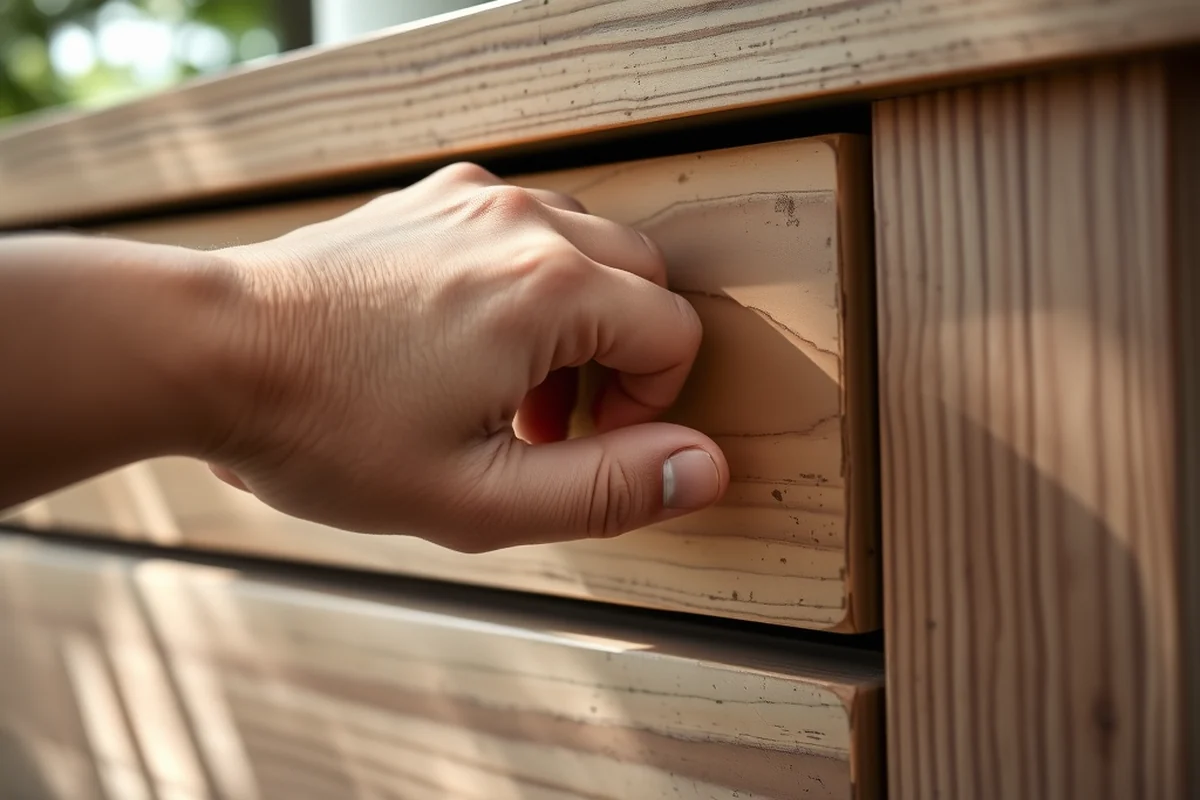
When I first looked into chain link fencing, I was drawn to its low initial cost. But over time, I noticed that chain link fences required more maintenance. I had to replace sections that rusted and re-tighten the wire after windstorms, which took time and money. I found that these hidden costs made chain link more expensive over the years.
I also discovered that chain link fencing didn’t provide the same privacy or insulation as wood. In areas where I wanted to block noise or prevent animals from entering, I found that chain link was less effective. It was also more vulnerable to damage from trees, which made repairs more frequent.
The cost of replacement parts for chain link fencing added up quickly. I had to buy new sections and tools to fix the damage, which I hadn’t considered when I first priced it out. This made me rethink my initial decision and choose a more durable option.
Chain link fencing may be cheap now, but it’s a false economy over time.
Related: Cheap fabric by the yard
The Long-Term Value of a Wood Fence
I found that wood fences, though initially pricier, required less frequent maintenance and repairs. I stained my fence once a year, and it lasted over a decade without needing replacement. That gave me a better sense of long-term savings compared to chain link, which needed more frequent fixes.
I also appreciated how wood fences could be customized to match my home’s exterior. I added a rustic finish and chose a color that blended well with my garden. This made the fence feel like a natural extension of my outdoor space, something I couldn’t achieve with chain link.
The ability to add decorative elements, like lattice or trellises, made wood fencing more versatile. I found that this flexibility in design was a major benefit that chain link fencing couldn’t match.
Not all wood is equal. I used cedar for my fence, which is naturally resistant to rot and insects. If you choose a less durable type of wood, you may find yourself replacing it more often.
“I remember the first time I stood at the edge of my garden, staring at the unfinished fence, the sun blazing overhead and my hands…”— DIY Wooden Garden Path Markers editors
Related: Diy garden landscaping ideas
Installation Costs: What to Expect

For a 50-foot wood fence, the installation cost can range from $1,500 to $3,000, depending on the materials and labor involved. I had a small project, and I was able to install it myself, which saved me the cost of hiring a professional. This made the total cost more manageable.[4]
Chain link fencing is usually cheaper to install at first, but I found that the cost of repairs and replacements over time made it more expensive. For example, I had to replace a section of chain link fence after it rusted, which cost me an additional $200. This was an unexpected expense.
The cost of installation also depends on the terrain. If you’re installing a fence on uneven ground, you may need to spend more on posts and leveling tools. I found that my flat backyard made the installation process much easier and less costly.
Related: Diy wooden yard signs vs
The Impact of Climate on Fence Materials
In areas with high humidity or frequent rain, wood can be more prone to warping or rot. I used a waterproof sealant on my fence, which helped it last longer. Chain link fencing, on the other hand, was more susceptible to rust in these conditions.
I also noticed that in colder climates, chain link fencing can become brittle and break under extreme temperatures. Wood, while not immune to cold, tends to be more flexible and less likely to crack in these conditions.
I found that the best approach was to choose materials that could handle the specific climate of my area. For example, in my region, cedar wood was the best option for a long-lasting fence, while chain link fencing required more frequent maintenance.
Related: Best diy wooden yard art
The Aesthetic Appeal of Wood Fencing
One of the most noticeable differences between wood and chain link fencing is the aesthetic appeal. I found that wood fences blended well with the natural environment, making them a great choice for garden paths and backyard areas. Chain link fencing, while functional, didn’t add the same visual charm to my outdoor space.
I used a stain that matched the color of my house, which made the fence feel like a natural extension of my home. This was something I couldn’t achieve with chain link fencing, which looked more industrial and less inviting.
The ability to add decorative elements like flower boxes or trellises made wood fencing even more appealing. I found that this customization option was a major benefit that chain link fencing couldn’t match.
Wood fencing doesn’t just protect your space—it enhances it.
Related: Top diy wooden yard art
The Environmental Impact of Your Fence Choice
Wood fencing, when sourced from sustainable forests, can be a more eco-friendly option. I chose to use reclaimed wood for my fence, which reduced the environmental impact and gave the project a more rustic feel. This was a conscious choice that aligned with my values.
Chain link fencing, made from steel, has a higher environmental footprint due to the mining and processing of metal. I found that it required more energy to produce and was less biodegradable than wood. This made me reconsider the long-term environmental impact of my choice.
In the end, I found that choosing wood from sustainable sources was the better option for both my budget and the environment. This helped me make a more informed decision that aligned with my goals.
💰 Budget Build
Use pressure-treated pine for a cost-effective wood fence that’s durable and long-lasting.
⏰ Weekend Version
Build a simple wood fence over a single weekend with basic tools and materials.
✨ Upgraded Finish
Add a custom stain or paint to your wood fence for a more polished, personalized look.
📏 Small-Space Adaptation
Create a compact wood fence that fits perfectly in small gardens or patios.
🏠 Rental-Safe Option
Install a temporary wood fence that’s easy to remove and move when renting a home.
| The mistake | Why it happens | The fix |
|---|---|---|
| Using the wrong type of wood for the climate | If you choose a wood that is not resistant to rot or insects in your area, you may find yourself replacing it more often than expected. | Choose a wood type that is suitable for your specific climate, such as cedar or pressure-treated pine. |
| Neglecting to use a moisture meter before installation | If the wood has too high a moisture content, it can warp or rot over time, leading to expensive repairs. | Use a moisture meter to ensure the wood is properly dried before installation. |
| Ignoring the need for proper drainage | Poor drainage can cause water to pool around the base of the fence, leading to rot and structural damage. | Ensure that the ground around the fence is properly sloped to allow water to drain away. |
| Not securing the fence posts correctly | If the fence posts are not properly anchored, the fence may sway or collapse during strong winds. | Use concrete or gravel to secure the fence posts and ensure they are firmly in place. |
What Is Cheaper Wood Or Chain Link Fence
Common Questions
Is it cheaper to build a wood fence or a chain link fence?
How long does a wood fence last compared to chain link?
Can I install a wood fence myself?
What is the best wood for a fence?
References
- NJDOT Bog Turtle PBO FINAL_508.pdf - U.S. Fish and Wildlife Service (fws.gov)
- Dillingham - Alaska Department of Transportation and Public Facilities (dot.alaska.gov)
- determination of appropriate railing heights for bicyclists - ROSA P (rosap.ntl.bts.gov)
- Assessors' Handbook 531: Residential Building Costs (boe.ca.gov)
Cite this guide
DIY Wooden Garden Path Markers (2026). What Is Cheaper Wood Or Chain Link Fence. https://woodenroot.com/what-is-cheaper-wood-or-chain-link-fence/
Feel free to cite or share this guide.