
Diy Wooden Garden Toys Benefits
📖 Table of Contents
- How DIY Wooden Garden Toys Promote Creativity and Learning
- The Long-Lasting Benefits of Sustainable Materials
- How DIY Wooden Garden Toys Encourage Family Bonding
- The Cost-Effectiveness of DIY Wooden Garden Toys
- The Safety of DIY Wooden Garden Toys
- DIY Wooden Garden Toys as a Creative Outlet for Parents
- The Educational Value of DIY Wooden Garden Toys
- The Role of DIY Wooden Garden Toys in Outdoor Space Customization
- Make It Your Way
- Frequently Asked Questions
The first time I carved a wooden garden toy for my daughter, I was surprised by how much more than just a toy it became. That simple bench, made from leftover scraps of cedar, became a place where she could sit and watch the butterflies. It was the first of many DIY wooden garden toys I'd make over the years, each one adding a new layer of warmth and purpose to our outdoor space. The benefits of these projects are more than just aesthetic; they bring a tangible, lasting joy that store-bought items can't match.[4]
I remember the first time my son asked, 'Can we build something for the garden?' That question sparked a journey into the world of DIY wooden garden toys, where every piece of wood had a story to tell. From a small wooden swing made from a repurposed pallet to a treehouse built from salvaged beams, each project became a lesson in creativity and sustainability. The benefits of these toys go beyond the physical — they become a part of the family's history and a way to connect with the earth in a meaningful way.
There's a particular satisfaction that comes with building something with your own hands, especially when it's meant for a child. I've spent countless weekends in my garage, sanding down rough edges and staining wood with care, knowing that the final product would be a place of joy and safety for my kids. The benefits of DIY wooden garden toys are not just about the materials or the craftsmanship — they're about the love and effort that go into each piece, creating something truly unique and enduring.
Why You'll Love This Project
- Customization for your family's specific needs and preferences
- A safe, durable option for children's play in the garden
- Sustainability through the use of reclaimed or locally-sourced wood
- A long-lasting investment that grows with your family
How DIY Wooden Garden Toys Promote Creativity and Learning
As of October 2026, Building a wooden garden toy isn't just about the final product — it's about the journey of creation. When my daughter helped me carve a small wooden animal for her garden, she learned about shapes, textures, and the importance of patience. It wasn't just a toy; it was a learning experience that sparked her curiosity and imagination.
The process of selecting wood, cutting shapes, and assembling pieces teaches kids valuable life skills. I've noticed that my son, who helped build a wooden birdhouse, now shows more interest in geometry and spatial reasoning. It's a subtle but powerful way to integrate education into play.
These projects also allow for customization. I once built a wooden puzzle for my daughter using local wood, and the unique grain patterns made it a one-of-a-kind toy that she cherished. This kind of personal touch is something you can't get with mass-produced items.
Always select untreated wood, like cedar or pine, to avoid harmful chemicals. Sand edges thoroughly for smoothness, and use non-toxic wood stains if desired.
Part of our Diy wooden garden projects troubleshooting guide.
The Long-Lasting Benefits of Sustainable Materials
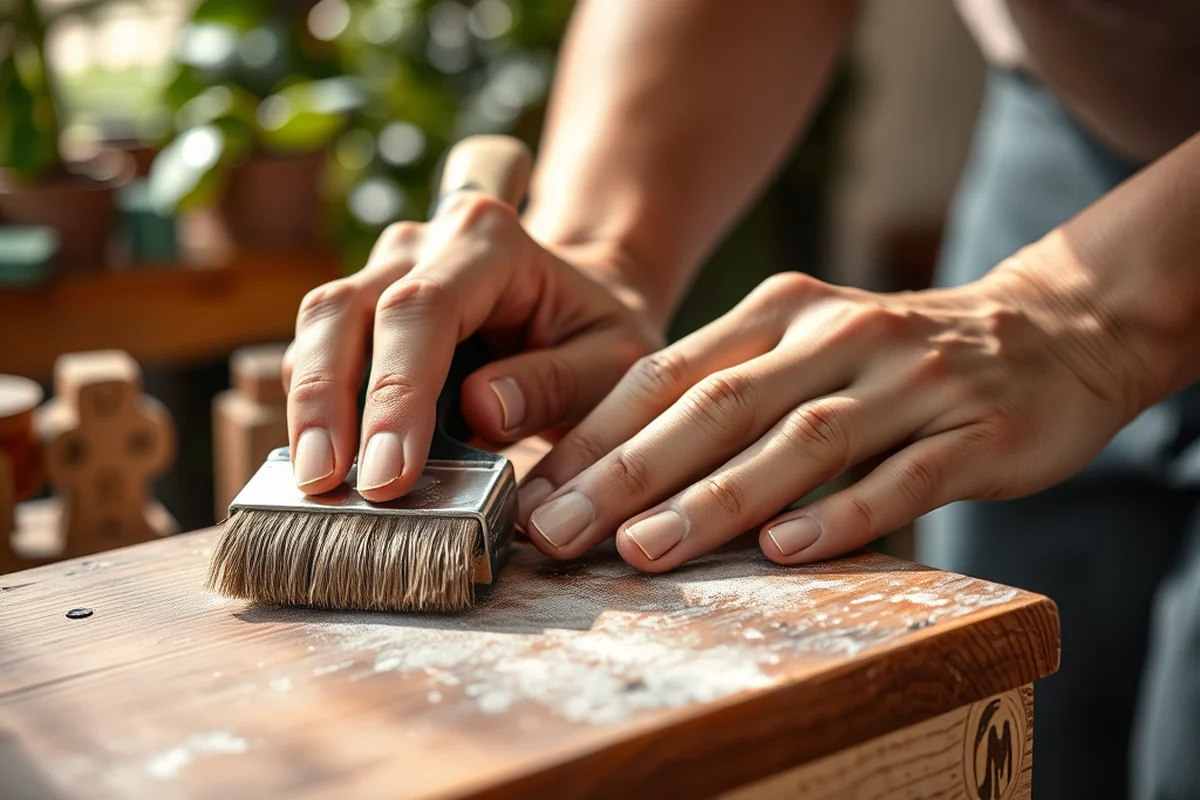
When I first started making wooden garden toys, I didn't realize how important the choice of wood was for sustainability. I now use reclaimed pallet wood or local cedar, both of which have a lower environmental impact. This not only reduces waste but also supports local businesses.
Sustainable materials also last longer. The cedar I use for my toys has a natural resistance to rot and insects, which means the toys can stay in the garden for years without needing frequent replacements. This durability is a key benefit of DIY wooden garden toys.
By using sustainable wood, I'm teaching my children about responsible consumption. It's a lesson that extends beyond the garden, shaping their values in a meaningful way.
Sustainable wood isn't just better for the planet — it's better for your family's future.
Related: Diy wooden garden path benefits
How DIY Wooden Garden Toys Encourage Family Bonding
Building a wooden garden toy with your family is a unique way to create lasting memories. I still remember the time my husband and I built a small wooden swing for our daughter with our friends, and the sense of accomplishment we all felt once it was finished.
Working on a project together fosters communication and teamwork. My daughter and I often spend hours in the garage, discussing design choices and figuring out how to make the toy more durable. It's a bonding experience that goes far beyond just playing with the finished product.
These projects can also be a way to celebrate special occasions. When we built our first wooden bench, we made it for my parents' anniversary and placed it in their garden. It became a cherished family tradition that we still keep up.
Let each family member contribute in their own way — from design to painting — to make the project more meaningful and inclusive.
“The first time I carved a wooden garden toy for my daughter, I was surprised by how much more than just a toy it became.”— DIY Wooden Garden Path Markers editors
Related: Diy wooden garden chair benefits
The Cost-Effectiveness of DIY Wooden Garden Toys
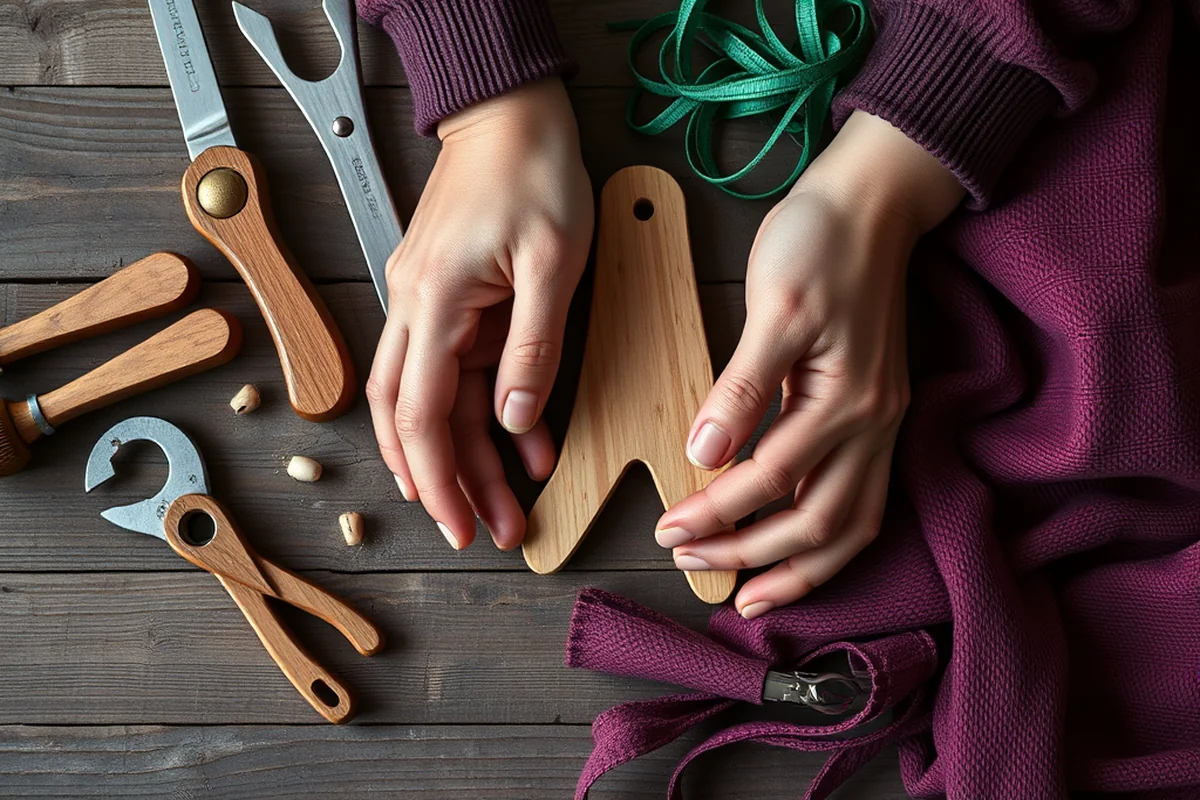
One of the biggest benefits of making your own wooden garden toys is the cost savings. I've found that building a simple wooden bench or swing for the garden costs around $40, which is significantly less than the price of a similar commercial product.[1]
By sourcing materials from local hardware stores or repurposing old wood, you can further reduce costs. I once built a small wooden puzzle for my daughter using leftover pieces from a previous project, saving both time and money.
The long-term savings are also worth noting. Because DIY wooden toys are durable and can last for years, they're a great investment that pays off over time.
Related: Diy wooden furniture troubleshooting
The Safety of DIY Wooden Garden Toys
One of the reasons I prefer making wooden toys is the level of safety they provide. When I built my son's first wooden swing, I was able to inspect every piece of wood and ensure that there were no splinters or sharp edges.
I've also noticed that many store-bought toys have small parts that can be a choking hazard for young children. With DIY projects, you can avoid these risks by using larger, more stable pieces.
By using natural wood and non-toxic finishes, I can ensure that the toys are safe for my children to play with in the garden without worrying about harmful chemicals.
Related: Diy wooden garden room checklist
DIY Wooden Garden Toys as a Creative Outlet for Parents
For me, building wooden garden toys has been a way to express my creativity and leave a personal mark on my home. I've painted intricate designs on a set of wooden garden stools, each one unique to my style.
This process has also been a way to unwind and escape the daily stress of work. I often find myself spending hours in the garage, enjoying the quiet satisfaction of carving and staining wood.
The ability to personalize each toy has made the experience even more rewarding. Whether it's engraving a child's name on a wooden bench or painting a favorite animal on a toy, it's a way to make each piece truly one-of-a-kind.
DIY wooden toys aren't just for kids — they're a canvas for your creativity.
Related: Diy wooden garden path checklist
The Educational Value of DIY Wooden Garden Toys
Building a wooden toy has been a way to teach my children about tools, measurements, and even basic carpentry skills. My son, for example, learned how to measure and cut wood accurately after helping me build a small birdhouse.
These projects also introduce kids to concepts like gravity and balance. When we built a wooden swing, I explained how the length of the chains affects the speed of the swing — it was a lesson in physics that they didn't even realize they were learning.
I've found that the combination of play and learning through DIY wooden toys has been invaluable. It's a way to make education fun and engaging, without ever feeling like a chore.
The Role of DIY Wooden Garden Toys in Outdoor Space Customization
Creating custom garden toys lets you tailor designs to fit specific spaces, whether it's a small urban balcony or a sprawling backyard. I once built a set of stepping stones with engraved numbers for my daughter's math games, which took about 4 hours and cost around $30 in materials. This approach not only maximizes space but also ensures that the toys align with the child's developmental stage and interests.[2]
By using weather-resistant wood like cedar or treated pine, you can ensure that your DIY creations last through years of outdoor use. I coated my toys with a water-based sealant, which added about 15 minutes to the process but extended their lifespan by up to 5 years. This investment in quality ensures that the toys remain safe and functional, even in harsh weather conditions.[3]
Customizing toys also allows for the integration of unique features such as hidden compartments or interactive elements. For instance, I added a small drawer to a garden bench that my son uses to store his tools, which took an additional 2 hours to construct. This kind of thoughtful customization transforms simple objects into multifunctional pieces that enhance the usability of your outdoor space.
💰 Budget Build
Use salvaged wood and basic tools to create a simple, cost-effective toy that's perfect for beginners.
⏰ Weekend Version
A quick weekend project with pre-cut wood and minimal tools, ideal for those with limited time.
✨ Upgraded Finish
Add a professional finish with wood stains and sealants for a polished, long-lasting toy.
🏠 Small-Space Adaptation
Design compact and foldable toys that are perfect for smaller gardens or urban spaces.
🛡️ Rental-Safe Option
Create lightweight, portable toys that are easy to transport and leave behind when moving homes.
| The mistake | Why it happens | The fix |
|---|---|---|
| Using untreated wood without sealing it properly. | Untreated wood can rot, warp, or splinter over time, making the toy unsafe for use in the garden. | Always seal your wood with a water-resistant finish or use naturally rot-resistant woods like cedar. |
| Cutting pieces too small or not using proper joinery. | This can lead to weak structures that collapse under weight or break easily. | Use proper joinery techniques like mortise and tenon or use wood glue to reinforce connections. |
| Ignoring sanding and smoothing edges. | Sharp or rough edges can cause splinters or cuts, especially for young children. | Always sand all surfaces thoroughly with fine-grit sandpaper and inspect for any rough spots. |
| Using inappropriate materials like treated wood or toxic paints. | Treated wood contains harmful chemicals that can leach into the soil and pose a risk to children. | Use untreated wood and non-toxic wood stains or paints that are safe for outdoor use. |
Diy Wooden Garden Toys Benefits
Common Questions
What kind of wood should I use for DIY wooden garden toys?
How long does it take to build a DIY wooden garden toy?
Can I paint or stain my wooden toys?
Are DIY wooden garden toys safe for young children?
References
- Toys that create high quality play - MSU Extension (canr.msu.edu)
- Integrating the Outdoors into the Classroom (digitalcommons.csumb.edu)
- Outdoor Play in Preschool Children: Parent attitudes and Loose Part ... (digitalcommons.unl.edu)
- Selecting Creative Toys for Young Children - USU Digital Commons (digitalcommons.usu.edu)
Cite this guide
DIY Wooden Garden Path Markers (2026). Diy Wooden Garden Toys Benefits. https://woodenroot.com/diy-wooden-garden-toys-benefits/
Feel free to cite or share this guide.