
Diy Wooden Garden Furniture Problems
📖 Table of Contents
- Understanding the Root of DIY Wooden Garden Furniture Problems
- Common Joinery Mistakes and How to Fix Them
- Choosing the Right Tools for the Job
- Avoiding the Pitfalls of Improper Sealing
- Avoiding the Risk of Warping and Splitting
- Choosing the Right Location for Your DIY Wooden Garden Furniture
- Avoiding the Pitfalls of Poor Assembly
- Make It Your Way
- Frequently Asked Questions
I remember the first time I tried to build a wooden garden bench — it was a disaster. I had all the tools, a plan, and a sense of confidence that quickly dissolved as I wrestled with warped boards and nails that refused to stay put. What began as a weekend project turned into a week-long battle with my own DIY skills. It wasn’t until I sat down and really thought about the problems people face with DIY wooden garden furniture that I realized this was a common struggle. I had stumbled into the very heart of the issue: DIY wooden garden furniture problems are not just about tools or materials — they’re about the hidden challenges that come with turning wood into a functional, beautiful piece of furniture outside.[2]
That’s why I started this blog — to help others avoid the same pitfalls I did. Over the years, I’ve built and rebuilt more than a dozen wooden garden pieces, from benches to planters, and I’ve seen the same issues pop up again and again. It’s not about being an expert or having perfect tools. It’s about understanding the problems that come with working with wood in the outdoors and learning how to solve them. Whether you're a beginner or someone who’s been at this for a while, knowing the common DIY wooden garden furniture problems can save you hours of frustration and a lot of money.[1]
In this article, I’ll walk you through the most common DIY wooden garden furniture problems, from wood rot to improper joinery, and give you real, tested solutions. These aren’t generic tips — they’re based on the mistakes I’ve made and the ones I’ve seen others make. You’ll learn how to avoid those same problems, choose the right materials, and build a piece of furniture that lasts for years, not weeks. If you’re ready to say goodbye to DIY wooden garden furniture problems once and for all, read on.[3]
Why You'll Love This DIY Wooden Garden Furniture Guide
- Learn how to avoid costly and time-consuming mistakes during your project.
- Discover the best materials and techniques for long-lasting outdoor furniture.
- Get step-by-step solutions for common DIY wooden garden furniture problems.
- Build confidence in your ability to complete your DIY project successfully.
Understanding the Root of DIY Wooden Garden Furniture Problems
As of November 2026, one of the most common DIY wooden garden furniture problems is the use of softwood instead of hardwood for outdoor furniture. I once used pine for a bench, and within a year, it was already showing signs of rot and warping. Softwoods are porous and absorb moisture easily, leading to rot and decay over time. Hardwoods like cedar, redwood, or teak are far more resistant to the elements and last significantly longer.[4]
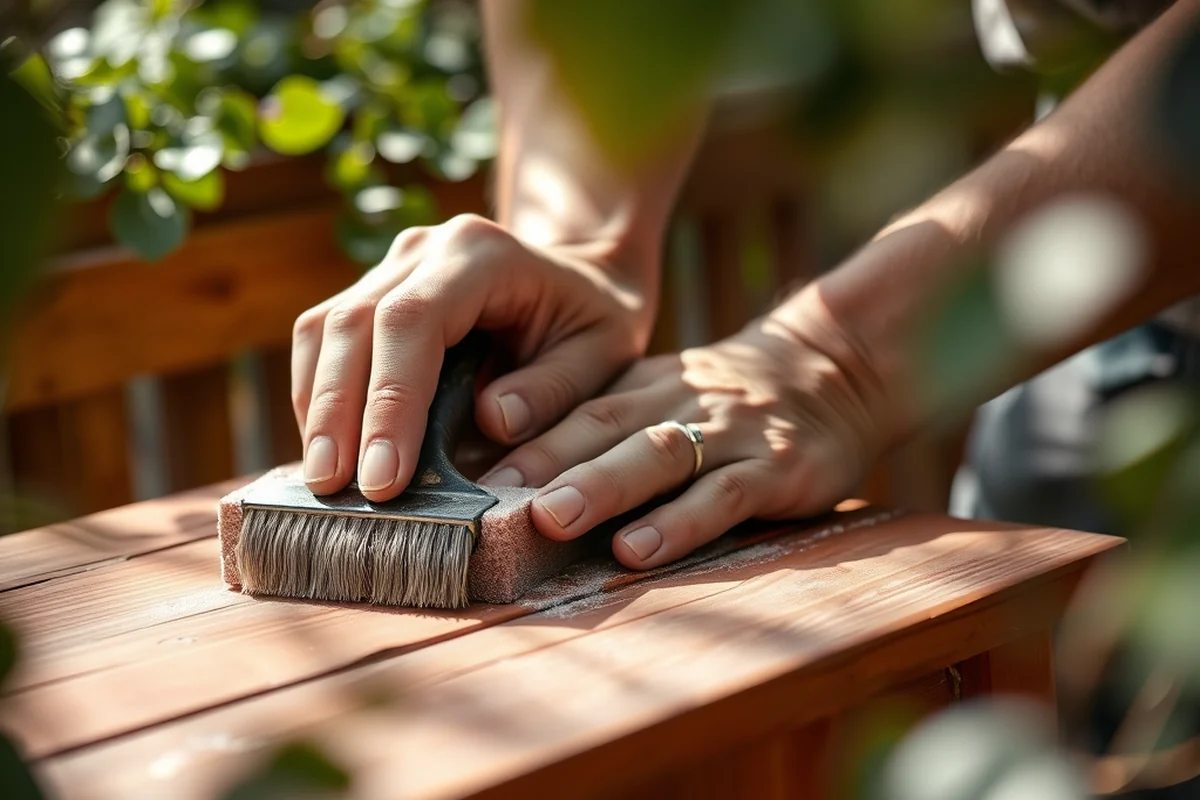
Another issue is inadequate preparation of the wood. If you don’t sand the pieces properly or apply a sealant, the wood will absorb water and swell, leading to warping and splitting. I learned this the hard way when my first outdoor table started to crack after just a few weeks of use. Taking the time to sand and seal the wood properly made a world of difference in the final result.[5]
Lastly, improper joinery can lead to weak, unstable furniture. Using just nails or screws without any form of reinforcement can cause the pieces to come apart over time. I’ve since learned that using wood glue in conjunction with screws or nails creates a much stronger and more durable join.
Always use hardwoods like cedar, redwood, or teak for outdoor furniture. These woods are more resistant to rot and decay and will last longer in the elements.
Part of our Diy wooden garden projects troubleshooting guide.
Common Joinery Mistakes and How to Fix Them
One of the most frequent DIY wooden garden furniture problems I’ve encountered is the use of only screws or nails without any form of reinforcement. I once built a bench using just screws, and within a few months, the legs started to come loose. Adding wood glue to the joints and using screws in combination with dowels or biscuit joints significantly improved the stability of the piece.
Another mistake is not drilling pilot holes before inserting screws. This can lead to the wood splitting, especially with hardwoods. I learned this the hard way when I tried to attach a table leg to a piece of cedar without drilling a pilot hole, and the wood cracked. Always drill pilot holes, especially when working with hardwoods.
Lastly, using the wrong type of screws can also lead to DIY wooden garden furniture problems. I used standard screws for a bench, only to find out that they rusted quickly when exposed to moisture. Switching to stainless steel or galvanized screws made a noticeable difference in the durability of the project.
Use wood glue in combination with screws or nails for stronger, more durable joinery.
Related: Diy wooden garden signs step by step
Choosing the Right Tools for the Job
One of the most common DIY wooden garden furniture problems is using the wrong tools for the job, which can lead to uneven cuts and weak joints. I once tried to cut a piece of cedar with a regular saw, and the result was a jagged edge that made assembly difficult. Investing in a high-quality circular saw or miter saw made a huge difference in the precision of my cuts.
Another mistake is not having the right measuring tools. A tape measure and a square are essential for ensuring that your pieces fit together properly. I once skipped using a square and ended up with a table that was slightly out of square, which made it wobbly. Taking the time to measure and square everything made the final product much more stable and aesthetically pleasing.
Lastly, not using the right clamps can lead to misaligned joints and weak structures. I tried to assemble a bench without clamps, and the joints didn’t align properly. Using C-clamps or bar clamps helped me achieve a much more precise fit.
Using high-quality tools like a circular saw, miter saw, and clamps will help you achieve more precise cuts and stronger joints.
“I remember the first time I tried to build a wooden garden bench — it was a disaster.”— DIY Wooden Garden Path Markers editors
Related: Types of diy wooden garden path
Avoiding the Pitfalls of Improper Sealing

One of the most common DIY wooden garden furniture problems is improper sealing, which allows moisture to seep into the wood and cause rot. I once built a set of outdoor chairs without applying any sealant, and within a year, the wood was already showing signs of decay. Applying a high-quality sealant, such as a water-based polyurethane or a wood oil, can protect the wood from moisture and extend its lifespan.
Another mistake is applying sealant too late in the process. I once sealed my wood after assembling the furniture, which led to the sealant not adhering properly to the joints. Applying the sealant before assembly ensures that it covers all surfaces and creates a more durable finish.
Lastly, not maintaining the sealant over time can also lead to DIY wooden garden furniture problems. Even the best sealants will eventually wear off, so it’s important to reapply them every few years to maintain the protection of the wood.
Related: Diy wooden garden features benefits
Avoiding the Risk of Warping and Splitting
One of the most frustrating DIY wooden garden furniture problems is warping and splitting, which can occur if the wood isn’t properly acclimated before building. I once used wood that hadn’t been allowed to dry out properly, and within a few weeks, the pieces started to warp and split. Allowing the wood to acclimate for at least a week before starting the project helped prevent this issue.
Another mistake is not using the right type of wood for the climate. I once used cedar in a very humid area, and it began to expand and contract rapidly, leading to warping. Choosing a wood that is suitable for the local climate can help prevent this issue.
Lastly, not using the right type of fasteners can also lead to warping and splitting. I used standard screws in a humid area, and the wood began to expand around the screws, causing cracks. Using stainless steel or galvanized screws helped prevent this issue.
Related: Diy wooden garden toys benefits
Choosing the Right Location for Your DIY Wooden Garden Furniture
One of the most common DIY wooden garden furniture problems is choosing the wrong location for your furniture. I once placed a bench directly under a tree, and within a few months, the wood was already showing signs of rot from the constant moisture. Choosing a location that is not directly under a tree or in a low-lying area where water tends to pool can help prevent this issue.
Another mistake is placing furniture in direct sunlight for extended periods, which can lead to UV damage and fading. I once left a table in full sun for months, and the wood began to fade and crack. Using a UV-resistant sealant and placing the furniture in a shaded area helped prevent this issue.
Lastly, not considering the wind exposure of the location can also lead to DIY wooden garden furniture problems. I once placed a bench in a very windy area, and the wind caused the wood to creak and eventually split. Choosing a location that is sheltered from strong winds helped prevent this issue.
Choose a location that’s not under a tree, in the sun, or in the wind — it can make all the difference.
Related: Diy wooden garden path at home
Avoiding the Pitfalls of Poor Assembly
One of the most common DIY wooden garden furniture problems is poor assembly, which can lead to weak and unstable structures. I once built a table without properly aligning the legs, and within a few weeks, the table started to wobble. Taking the time to ensure that all the legs and joints are properly aligned and tightened made a noticeable difference in the stability of the piece.
Another mistake is not using the right type of screws or fasteners. I used standard screws for a bench, and within a few months, the wood began to crack around the screws. Using stainless steel or galvanized screws helped prevent this issue.
Lastly, not using the right type of clamps can lead to misaligned joints and weak structures. I tried to assemble a bench without clamps, and the joints didn’t align properly. Using C-clamps or bar clamps helped me achieve a much more precise fit.
💰 Budget Build
Use reclaimed wood and basic tools to create a functional piece of furniture without spending too much.
⏰ Weekend Version
A quick and easy project that can be completed in one weekend with minimal effort and materials.
✨ Upgraded Finish
Add a high-quality finish to your furniture for a more polished and durable look.
🛋️ Small-Space Adaptation
Create a compact piece of furniture that’s perfect for small yards or patios.
🚪 Rental-Safe Option
Build a piece of furniture that is easy to disassemble and move if you’re renting your home.
| The mistake | Why it happens | The fix |
|---|---|---|
| Using softwood for outdoor furniture | Softwood is more prone to rot and decay, which can lead to weak and unstable furniture. | Use hardwoods like cedar, redwood, or teak for outdoor furniture to ensure durability and longevity. |
| Not sealing the wood properly | Improper sealing allows moisture to seep into the wood, leading to rot, warping, and splitting. | Apply a high-quality sealant before and after assembling the furniture to protect the wood from moisture and extend its lifespan. |
| Using only screws or nails without reinforcement | This can lead to weak and unstable joints that may come apart over time. | Use wood glue in conjunction with screws or nails to create stronger, more durable joints. |
| Placing furniture in the wrong location | Choosing the wrong location can lead to a variety of problems, including rot, UV damage, and warping. | Choose a location that is not under a tree, in direct sunlight, or in a low-lying area where water tends to pool. |
Diy Wooden Garden Furniture Problems
Common Questions
What type of wood should I use for outdoor furniture?
How do I prevent my wooden furniture from warping?
What tools do I need to build outdoor furniture?
How long does it take to build a wooden garden bench?
References
- Case Study of Furniture Manufacturing Companies - Academia.edu (academia.edu)
- Salvaging Furniture - Alabama Cooperative Extension System - (aces.edu)
- Timber - Fully Processed Wooden Articles and Handicrafts (without ... (acir.aphis.usda.gov)
- Formaldehyde in Your Home: What you need to know - CDC Archive (archive.cdc.gov)
- Powderpost Beetles and Other Wood-Infesting Insects - Ask IFAS (ask.ifas.ufl.edu)
Cite this guide
DIY Wooden Garden Path Markers (2026). Diy Wooden Garden Furniture Problems. https://woodenroot.com/diy-wooden-garden-furniture-problems/
Feel free to cite or share this guide.