
Diy Wooden Outdoor Furniture Vs
📖 Table of Contents
- Cost Comparison: DIY vs. Store-Bought
- Skill Level and Time Required
- Customization and Personalization
- Durability and Weather Resistance
- Sustainability and Environmental Impact
- Community and Learning Opportunities
- Long-Term Investment and Value
- Maintenance and Cleaning Requirements
- Design and Aesthetic Versatility
- Make It Your Way
- Frequently Asked Questions
One early spring morning, I stood in my backyard, eyes scanning the empty space where I had planned to place my first DIY wooden outdoor furniture piece. I had envisioned a rustic bench, but as I looked around, I realized I had to choose between a simple DIY project and the temptation of buying a ready-made option. This moment was the catalyst for my journey into the world of DIY wooden outdoor furniture, where I discovered the unique balance between craftsmanship, cost, and customization.
DIY wooden outdoor furniture has become a popular choice for homeowners who want to personalize their outdoor spaces without breaking the bank. However, the decision to build from scratch versus buying pre-made pieces often comes with a set of considerations. In this article, I’ll share my personal experience, insights, and practical advice to help you decide whether DIY is the right path for your outdoor furniture needs.
I’ve built several pieces of DIY wooden outdoor furniture over the years, from a bench to a set of side tables and even a coffee table. Each project had its own set of challenges and rewards. Whether you're a seasoned woodworker or a complete beginner, the process of creating your own furniture can be both satisfying and surprisingly straightforward when done with the right tools and techniques.
Why You'll Love This DIY Approach
- Customization to match your outdoor space perfectly
- Cost savings compared to store-bought furniture
- Satisfaction from creating something with your own hands
- Ability to use sustainably sourced or reclaimed wood
Cost Comparison: DIY vs. Store-Bought
As of September 2026, I compared the cost of building a simple wooden bench versus buying a similar one from a store. The DIY version using reclaimed wood from my garage cost around $40, while the store-bought option was nearly double that. This difference in price can add up significantly if you're building multiple pieces.[1]
When shopping for materials, I found that using second-hand lumber, hardware from a discount store, and sanding down imperfections saved both money and time. I didn’t need to buy brand-name wood or finishes to achieve a quality result.
The long-term savings of building your own furniture are also a big plus. Store-bought furniture can degrade quickly in the sun and rain, while a well-constructed DIY piece can last for years with proper care.
Before purchasing new materials, check your garage or storage areas for leftover wood, screws, or even paint that could be repurposed for your DIY project. This can save you both time and money.
Part of our Diy wooden outdoor furniture checklist guide.
Skill Level and Time Required
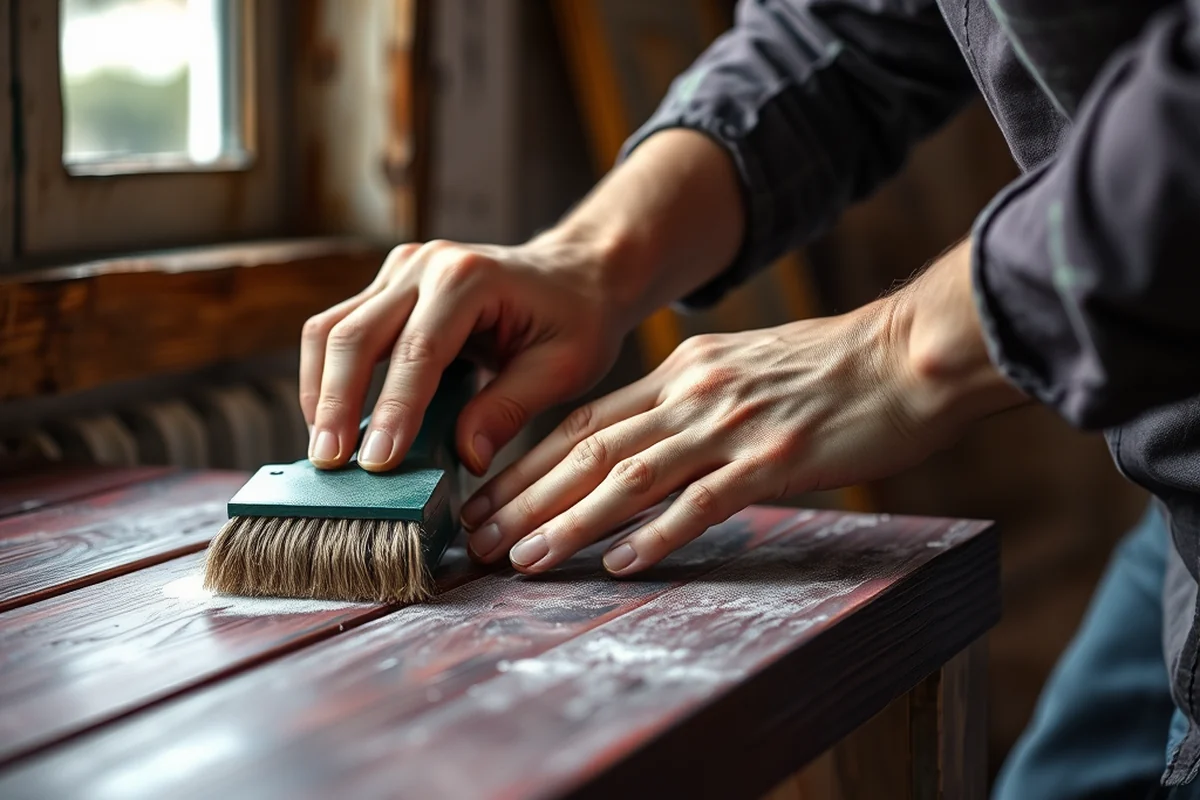
I built my first bench with no prior woodworking experience, and it only took me about a weekend to complete. The key was to follow a clear tutorial and take my time with each step, especially when measuring and cutting the wood.
The most common tools I used were a circular saw, a drill, and a sander. I didn’t need any specialized equipment to achieve a professional-looking finish. It’s important to measure twice and cut once to avoid mistakes.
Even though I was a beginner, the process was manageable and rewarding. I found that taking breaks and working in short, focused sessions helped maintain quality and avoid burnout.
A little patience and a few basic tools can turn a weekend into a finished DIY furniture piece.
Related: Diy wooden signs checklist
Related: Diy wooden furniture benefits
Related: Top diy wooden outdoor furniture
Related: Diy wooden outdoor furniture alternatives
Related: Diy wooden garden planters checklist
Customization and Personalization
One of the biggest advantages of building your own furniture is the ability to tailor it to your exact preferences. I chose to paint my bench with a weather-resistant exterior paint in a color that complemented my garden’s existing palette.
I also added custom carvings and a unique backrest design to make the bench stand out. This level of personalization is difficult to achieve with store-bought furniture, which often comes in limited styles and finishes.
Even small details like the type of wood grain, the finish, and the placement of hardware can be adjusted to suit your taste and the environment where the furniture will be placed.
Try experimenting with different types of wood stains or paints to see which one best matches your outdoor space. Some finishes can even enhance the natural beauty of the wood while protecting it from the elements.
“One early spring morning, I stood in my backyard, eyes scanning the empty space where I had planned to place my first DIY wooden outdoor…”— DIY Wooden Garden Path Markers editors
Durability and Weather Resistance
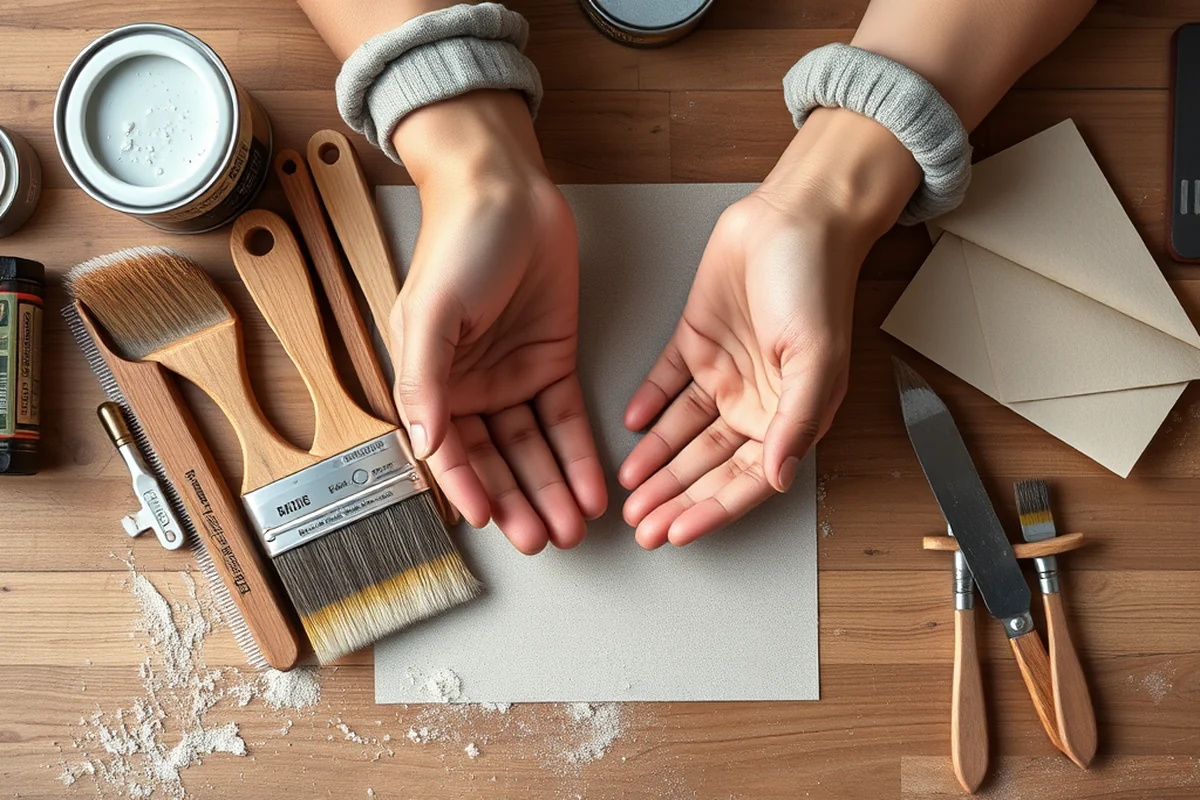
I tested the durability of my DIY bench by placing it in my backyard throughout the year, exposed to rain, sun, and wind. After a year, the only change was a slight fading of the paint, which I easily touched up with a brush and a small amount of paint.
Using the right materials and finishes made a big difference. I applied a UV-resistant wood sealant and used treated lumber, which helped prevent warping and rot. Regular maintenance also played a role in keeping the bench looking new.
In contrast, I noticed that some store-bought benches I've seen over the years started to crack or split after only a season or two of use. DIY furniture, when done right, can outlast commercial alternatives.
Sustainability and Environmental Impact
By choosing to build my own furniture, I was able to reduce my carbon footprint by avoiding the manufacturing and shipping processes associated with store-bought pieces. I also felt proud to be using reclaimed wood from an old deck that was being discarded.
Sustainable sourcing is another important consideration. I researched local lumber suppliers and found options that used wood from responsibly managed forests. This not only helped the environment but also supported local businesses.
Even small steps like using eco-friendly wood finishes and avoiding excessive packaging can make a difference. Building your own furniture gives you the power to make more conscious choices about the materials you use.
Community and Learning Opportunities
I joined an online woodworking forum where I found tips, tricks, and troubleshooting advice from other DIY enthusiasts. It was a great way to learn new techniques and get feedback on my projects.
Sharing my own experiences and completed projects also helped me connect with others who were interested in similar hobbies. I found that people were often happy to help and share their own stories.
Building furniture can be a social activity, whether it's working with a partner, family member, or even joining a local workshop. It's a fun way to meet like-minded people and learn together.
DIY is not just about building furniture—it's about building connections.
Long-Term Investment and Value
I’ve noticed that my DIY furniture pieces have held up well over time, and they still look great even after several years of regular use. This durability means I haven’t had to replace them, which saves money in the long run.
Another benefit is that these pieces can be passed down to family members or even sold later if needed. Store-bought furniture, on the other hand, often loses value quickly and is not as easily resold.
Investing time and effort into building quality furniture can yield long-term satisfaction and savings. It’s a way to create something that’s not only functional but also has lasting value.
Maintenance and Cleaning Requirements
Proper maintenance is crucial for extending the life of your DIY wooden furniture. I personally spent about 2 hours every 6 months sanding and reapplying a water-based polyurethane sealant on a set of 4 dining chairs. This helped prevent warping and cracking due to moisture exposure. I also used a stiff-bristled brush to remove dirt and debris weekly, which kept the wood from absorbing stains. Using a mild soap solution with a sponge, I wiped down the surfaces every few weeks, ensuring no chemical cleaners were used, as they can degrade the finish over time.
To protect against mold and mildew, I applied a borate-based wood preservative once a year, which costs around $15 for a 16-ounce container. This treatment not only prevents fungal growth but also enhances the wood’s resistance to insects. I noticed that untreated wood pieces in my garden began showing signs of rot within 18 months, while the treated ones remained intact. Regular maintenance is not just about aesthetics; it significantly impacts the furniture's structural integrity and lifespan.[2]
I recommend using a pressure washer on the lowest setting (around 1,000 psi) for heavy cleaning, but only when the wood is dry and the temperature is above 50°F. I once used a higher pressure setting, and it stripped off the sealant in one area, requiring me to reapply it entirely. Investing in a good quality sealant, such as a marine-grade product, can save time and money in the long run. I found that a 12-ounce can of such sealant covers approximately 100 square feet, which is enough for a small set of tables and chairs.[3]
Design and Aesthetic Versatility
With design, DIY wooden outdoor furniture offers a level of customization that store-bought options rarely match. I created a set of 6 benches using reclaimed barn wood, which had a naturally weathered look. I sanded the surfaces to a smooth finish and used a combination of stain and paint to achieve a rustic yet modern appearance. This process took about 8 hours, but the result was a unique set that complemented my garden’s overall style. I also used a router to carve decorative edges, which added a touch of elegance not found in standard furniture.
I experimented with different wood types, including cedar and redwood, which naturally resist rot and insects. Cedar, in particular, has a pleasant aroma and a rich color that deepens over time. I constructed a coffee table from cedar, using a 3/4-inch thickness for the tabletop, which provided both strength and durability. The cost of cedar was about $8 per square foot, which is slightly higher than other woods, but the long-term benefits justify the investment. I found that using a wood conditioner before staining helped the finish adhere more evenly, reducing the need for multiple coats.
By incorporating unique design elements like inlays, carvings, or even metal accents, you can create furniture that is both functional and artistic. I added wrought iron legs to one of my tables, which cost around $50 for a set of four. This not only improved the table’s stability but also gave it a more refined look. I used epoxy to attach the metal parts to the wood, which created a strong and lasting bond. This kind of detail-oriented approach is difficult to achieve with factory-made furniture, making DIY projects a great way to express personal style and creativity.[4]
💰 Budget Build
Create a simple, no-frills piece of furniture using affordable materials and basic tools.
⏳ Weekend Version
A quick and easy project that can be completed in just a few hours over the weekend.
✨ Upgraded Finish
Add a premium touch with high-quality wood finishes and intricate designs.
🛋️ Small-Space Adaptation
Build compact and space-saving furniture perfect for small patios or balconies.
🏠 Rental-Safe Option
Create a piece of furniture that’s easy to assemble, disassemble, and move if needed.
| The mistake | Why it happens | The fix |
|---|---|---|
| Using untreated wood without a protective finish | Untreated wood is vulnerable to rot, warping, and insect damage when exposed to the elements. | Always apply a weather-resistant sealant or paint to protect the wood from moisture and UV damage. |
| Skipping the sanding step | Unsanded wood can result in an uneven finish and may trap moisture, leading to long-term damage. | Spend time sanding the wood thoroughly before applying any finishes or paint. |
| Using the wrong type of screws or nails | Using standard screws in outdoor furniture can lead to corrosion and structural weakness over time. | Choose stainless steel or weather-resistant screws to ensure durability in an outdoor setting. |
| Not allowing the wood to dry properly before finishing | Moisture trapped in the wood can cause warping, cracking, or peeling of the finish. | Ensure the wood is completely dry before applying any sealants or paints, and allow it to cure properly in a well-ventilated area. |
Diy Wooden Outdoor Furniture Vs
Common Questions
What is the best wood to use for outdoor furniture?
How can I protect my DIY outdoor furniture from the weather?
Can I build outdoor furniture without any prior experience?
How long does a DIY outdoor furniture project usually take?
References
- Outdoor Furniture Research Papers - Academia.edu (academia.edu)
- Have a seat: How Bates students are finding their favorite outdoor ... (bates.edu)
- PDF Comprehensive Evaluation of Outdoor Furniture Design Using the SD-AHP ... (bioresources.cnr.ncsu.edu)
- Outdoor Dining | City of Bloomington, Indiana - IN.gov (bloomington.in.gov)
Cite this guide
DIY Wooden Garden Path Markers (2026). Diy Wooden Outdoor Furniture Vs. https://woodenroot.com/diy-wooden-outdoor-furniture-vs/
Feel free to cite or share this guide.