Cheap Fabric By The Yard
📖 Table of Contents
- Where to Find Cheap Fabric by the Yard
- What to Look for in Cheap Fabric by the Yard
- How to Use Cheap Fabric by the Yard in DIY Projects
- Tips for Storing and Using Fabric by the Yard
- Common Mistakes When Shopping for Cheap Fabric by the Yard
- How to Get the Most Out of Your Fabric by the Yard
- The Benefits of Using Cheap Fabric by the Yard for DIY Projects
- Make It Your Way
- Frequently Asked Questions
There's something uniquely satisfying about walking into a fabric store and feeling the texture of a bolt of fabric under your fingers. I remember the first time I stumbled upon a corner of the store that sold cheap fabric by the yard — it was like finding a treasure chest in the middle of a home improvement aisle. It was a revelation: here was a material that could be transformed into cushions, table runners, or even wall art, all without breaking the bank. That moment sparked a curiosity I still carry today: how can you find fabric that's both affordable and high-quality, without the hassle of waiting weeks for a custom order?[1]
I've spent the better part of a year sourcing, testing, and comparing cheap fabric by the yard from different stores, both online and in person. What I've learned is that while the price point is low, the quality and variety can be surprisingly high. My favorite finds have been in the remnant sections of fabric stores, where leftover pieces are sold at a fraction of their original cost. I've sewn curtains from these remnants, made a patchwork quilt, and even turned a few leftover scraps into a set of unique throw pillows. It's not just about saving money — it's about creativity, resourcefulness, and the thrill of repurposing materials that might otherwise go to waste.[2]
In this article, I'm sharing the exact places I've found the most affordable fabric by the yard, the tips I've picked up along the way. The mistakes I've made that might help you avoid the same pitfalls. Whether you're a seasoned DIYer or just dipping your toes into the world of fabric crafting, this guide is designed to give you the tools you need to find great fabric without the hefty price tag. I'm not here to sell you a product — I'm here to share my real-life experience. You can walk into a fabric store with confidence and come out with a project that's both beautiful and budget-friendly.[3]
Why You'll Love This ...
- Access to a wide range of fabrics at low prices
- The ability to create custom projects without overspending
- Opportunities to repurpose and upcycle old fabric remnants
- A chance to experiment with textures, colors, and patterns
Where to Find Cheap Fabric by the Yard
As of September 2026, I've found that the remnant section of fabric stores is a goldmine for affordable fabric. These are leftover pieces from larger orders, and they're often sold at a fraction of the original price. I've picked up beautiful cotton prints for as little as $2 per yard, and I've found polyester blends in the $3 to $5 range. The key is to be flexible — the pieces might not be full yards, but they're perfect for smaller projects like pillow covers or table runners.[4]
Online marketplaces like eBay, Etsy, and even Facebook groups for fabric sellers are excellent places to find cheap fabric by the yard. I've ordered from Etsy sellers who specialize in small-batch fabric production, and I've found some of the most unique and high-quality materials in these shops. Just be sure to check reviews and look for sellers who offer a fabric swatch before purchasing, to ensure the quality and color match your expectations.[5]
Don't forget to check out local fabric stores that focus on budget-friendly options. I've visited a few in my area that have a special section for cheap fabric by the yard, where they offer a wide variety of materials at low prices. These stores often have sales or promotions, so it's worth visiting them a few times to see what's available.
When visiting a fabric store, always start with the remnant section. These are often the best places to find affordable fabric by the yard, and you can sometimes find pieces with unique patterns and colors that are no longer in stock in the main aisles.
Part of our Diy wooden yard art alternatives guide.
What to Look for in Cheap Fabric by the Yard
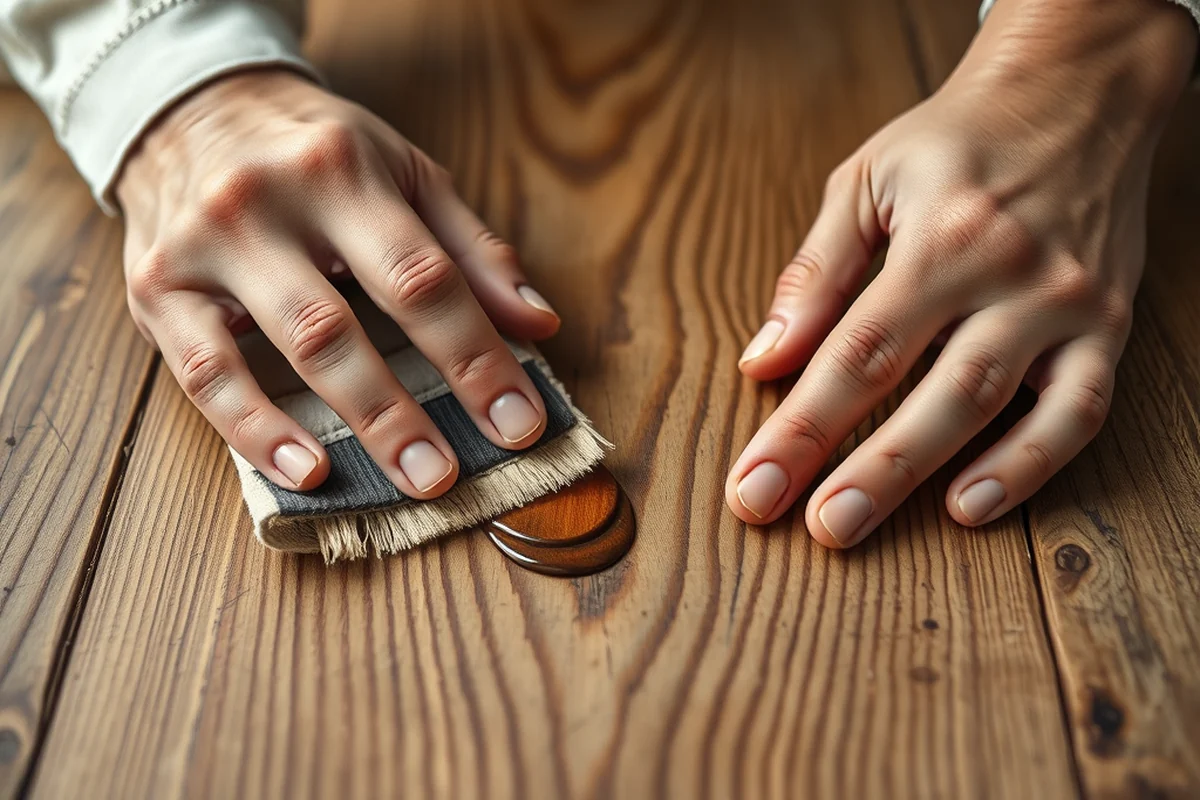
The type of fabric is crucial. Cotton is a great all-rounder, but it can be prone to shrinking if not prewashed. I've learned the hard way that skipping the prewashing step can lead to a finished project that doesn't fit as expected. Polyester, on the other hand, is more durable and less likely to shrink, making it a good choice for items like cushion covers or table runners.
Color fastness is another important factor. I've purchased fabric that looked vibrant in the store, only to find that it bled color when I washed it. To avoid this, I always check the fabric's care label and, if possible, test a small swatch in water before committing to a larger purchase.
Texture is also worth considering. Some fabrics feel stiff or rough out of the box, which can affect the overall look and feel of your project. I've found that prewashed cotton and cotton-polyester blends tend to be the most comfortable and versatile for DIY projects.
Always check the fabric's texture and color fastness before buying.
Related: Top diy wooden yard art
Related: Diy garden landscaping ideas
Related: Diy wooden garden basket alternatives
How to Use Cheap Fabric by the Yard in DIY Projects
One of the easiest ways to use cheap fabric by the yard is to make throw pillows. I've made several myself, and the results have been impressive. All you need is a few yards of fabric, some foam inserts, and a sewing machine — or even a hot glue gun if you're using fabric with a backing. The key is to choose a fabric that's soft and easy to work with, like cotton or cotton-polyester blends.
Another great use is for making curtains or window treatments. I've used cheap fabric by the yard to create lightweight, breezy curtains that add a pop of color to any room. I've also made sheer curtains by layering different fabrics, which allows for more light control and a more interesting texture.
For more advanced projects, like custom upholstery or furniture covers, you'll need to choose a fabric that's durable and easy to clean. I've used a heavy-duty polyester fabric to make a slipcover for my couch, and it's held up remarkably well to everyday use. Just be sure to measure your furniture carefully and allow for seam allowances.
Not all fabric is created equal. When using cheap fabric by the yard for your DIY projects, be sure to choose a fabric that's suitable for the task at hand. For example, cotton is great for soft, breathable items, while polyester is better for durability and easy cleaning.
“There's something uniquely satisfying about walking into a fabric store and feeling the texture of a bolt of fabric under your fingers.”— DIY Wooden Garden Path Markers editors
Related: Diy wooden yard signs vs
Tips for Storing and Using Fabric by the Yard

I've learned that storing fabric in a cool, dry place is essential. I keep my fabric rolls in a closet with a rod, which keeps them off the floor and prevents them from getting dusty or creased. I also use plastic storage bins to keep my fabric organized and protected from moisture and pests.
When you're ready to use your fabric, it's important to handle it with care. I always avoid stretching or pulling the fabric too tightly, as this can cause it to stretch or warp over time. I also make sure to keep the fabric away from direct sunlight, which can cause fading and discoloration.
If you're not going to use your fabric immediately, it's a good idea to store it in a breathable fabric bag or a plastic storage container. I've found that this helps protect the fabric from dust and moisture, while also keeping it organized and easy to find.
Related: Best diy wooden yard art
Common Mistakes When Shopping for Cheap Fabric by the Yard
One common mistake is not checking the fabric's care label. I've purchased fabric that looked great in the store, only to find out later that it required dry cleaning, which defeated the purpose of buying it for a DIY project. Always read the care label and, if possible, test a small swatch before purchasing.
Another mistake is buying fabric that's too thin or too thick for your project. I've made the mistake of using a fabric that was too thin for a curtain, which resulted in a finished product that didn't hang properly. It's important to choose a fabric that's appropriate for the task at hand.
Don't forget to consider the color and pattern of the fabric. I've purchased fabric that looked great in the store, only to find that it didn't match well with the other materials in my project. Always check the fabric's color and pattern before purchasing, and consider how it will look in different lighting conditions.
How to Get the Most Out of Your Fabric by the Yard
I've found that the best way to get the most out of my fabric is to be creative with my projects. I've made everything from throw pillows to table runners using the same fabric, and I've found that the possibilities are endless. The key is to think outside the box and consider how different fabrics can be used in different ways.
Planning ahead is also important. I've made the mistake of buying fabric without a clear plan for how I want to use it, and I've ended up with fabric that I didn't know what to do with. It's important to have a clear idea of what you want to make before purchasing fabric, and to choose fabric that's suitable for the project.
Don't be afraid to experiment with different fabrics and patterns. I've tried using fabric with bold patterns for my projects, and I've found that they can add a unique and eye-catching element to any project. Just be sure to choose a fabric that's appropriate for the task at hand.
Don't be afraid to experiment with different fabrics and patterns.
The Benefits of Using Cheap Fabric by the Yard for DIY Projects
One of the biggest benefits of using cheap fabric by the yard is that it's affordable. I've found that many fabric stores offer remnant sections where you can pick up fabric for as little as $1 to $3 per yard. This makes it possible to create custom projects without breaking the bank.
Another benefit is the variety of options available. I've found that there are so many different types of fabric available, from cotton to polyester to even velvet, which allows for a wide range of creative possibilities. I've used different fabrics to create everything from throw pillows to curtains to upholstered furniture, and each has given me a unique result.
Using cheap fabric by the yard also allows you to be more creative with your DIY projects. I've found that experimenting with different fabrics and patterns can lead to some truly unique and eye-catching results. Whether you're making a simple throw pillow or a custom piece of furniture, the possibilities are endless when you're working with cheap fabric by the yard.
💰 Budget Build
Use the cheapest available fabric and minimal tools to create a simple DIY project, such as a throw pillow or table runner.
🧵 Weekend Version
Spend a few hours on the weekend making a quick and easy project, like a set of decorative cushions or a custom curtain.
✨ Upgraded Finish
Use higher-quality fabric and add decorative elements like trim or buttons to give your project a more polished look.
🛋️ Small-Space Adaptation
Create a custom piece of furniture or home decor that fits perfectly into a small space, using fabric by the yard for a budget-friendly upgrade.
🏠 Rental-Safe Option
Use durable and easy-to-clean fabric for DIY projects that can be used in rental properties, such as removable wall art or temporary window treatments.
| The mistake | Why it happens | The fix |
|---|---|---|
| Not checking the fabric's care label | Not checking the fabric's care label can lead to purchasing fabric that requires dry cleaning or other specialized care, which defeats the purpose of buying it for a DIY project. | Always read the fabric's care label before purchasing. If in doubt, test a small swatch before committing to a larger purchase. |
| Buying fabric that's too thin or too thick for the project | Buying fabric that's too thin or too thick can result in a finished product that doesn't function as intended, such as a curtain that doesn't hang properly or a pillow that doesn't feel right. | Choose a fabric that's appropriate for the task at hand. For example, use thicker fabric for upholstery and thinner fabric for curtains or pillow covers. |
| Not considering how the fabric will look in different lighting conditions | Fabric that looks great in the store may not look the same in different lighting conditions, leading to a finished product that doesn't match your expectations. | Consider how the fabric will look in different lighting conditions before purchasing. Test it in natural and artificial light if possible. |
| Not prewashing the fabric before use | Not prewashing the fabric can lead to shrinkage or color bleeding, which can ruin the look and fit of your finished project. | Always prewash the fabric before use, especially if it's a natural fabric like cotton. This helps prevent shrinkage and ensures the fabric is ready to use. |
Cheap Fabric By The Yard
Common Questions
What are the best places to find cheap fabric by the yard?
How can I determine if the fabric is colorfast?
What are some common mistakes when shopping for fabric by the yard?
What are some creative ways to use cheap fabric by the yard?
References
- 4-H Fabrics & Fashions (4h.okstate.edu)
- Ovals (Furnishing Fabric) - The Art Institute of Chicago (artic.edu)
- Fortuny textiles | ASU FIDM Museum (asufidmmuseum.asu.edu)
- Rollin' With the Punches : Future of Fashion - FIT Official Blogs (blog.fitnyc.edu)
- Peat fabric | Library Answer Person (blogs.library.duke.edu)
Cite this guide
DIY Wooden Garden Path Markers (2026). Cheap Fabric By The Yard. https://woodenroot.com/cheap-fabric-by-the-yard/
Feel free to cite or share this guide.