
Diy Wooden Garden Table Alternatives
📖 Table of Contents
- Why Consider Alternatives to a Full-Sized Table
- Top 5 DIY Wooden Garden Table Alternatives
- Materials and Budget-Friendly Tips
- Step-by-Step Guide to Building a Bench Table
- Adding Storage to Your Garden Furniture
- Finishing Touches for a Professional Look
- Maintenance and Longevity Tips
- Upcycling Old Furniture for Garden Use
- Make It Your Way
- Frequently Asked Questions
There’s something about the scent of fresh-cut wood and the gentle sound of your hands shaping a piece of furniture that brings me back to the first time I built a garden table. I was 17, working on a small project with my grandfather, and I remember the satisfaction of watching a rough slab of cedar transform into a sturdy surface. That memory has stayed with me, and now, as I help others create their own DIY wooden garden table alternatives, I’m reminded of how versatile and rewarding these projects can be.[1]
I’ve built dozens of tables over the years—some for my own garden, others for friends and clients—and each one taught me something new. From the importance of proper sealing to the subtle difference between pressure-treated and untreated wood, the lessons are endless. But sometimes, people need a different approach. Maybe their budget is tight, or they don’t have access to a full-sized table. That’s where DIY wooden garden table alternatives come in.
These alternatives aren’t just about saving space or money. They’re about creativity, adaptability, and making the most of what you have. Whether it’s a bench with built-in storage, a tiered planter shelf, or a small stool that doubles as a side table, there are countless ways to think outside the box. The key is to start with a clear vision and a few simple materials.
Why You'll Love This Project
- Transform underutilized spaces into functional areas with minimal effort.
- Customize to match your garden’s style and needs without breaking the bank.
- Repurpose old materials or use budget-friendly alternatives like composite wood.
- Create a unique piece that reflects your personal style and craftsmanship.
Why Consider Alternatives to a Full-Sized Table
As of October 2026, Traditional garden tables are great, but they’re not always the best fit for every situation. For instance, if you have limited space or your budget is tight, a standard table might not be the best investment. That’s where alternatives come in. Think of a bench with a small table top, a side table with built-in storage, or even a planter shelf that doubles as a surface.
I’ve found that these alternatives are often more versatile than full-sized tables. A bench with a table top, for example, can serve as seating and a place to set drinks or books. This kind of multipurpose design is especially useful in small gardens or patios where every inch counts.
Another benefit is that these alternatives can be tailored to your specific needs. Maybe you want a table that’s easy to move or one that doesn’t require much upkeep. The options are endless, and the best part is that they’re usually easier and cheaper to build than a full-sized table.
Look around your home for materials you might already own, like leftover wood, paint, or hardware. Repurposing these items can reduce costs and make your project more personal.
Part of our Diy wooden yard art alternatives guide.
Top 5 DIY Wooden Garden Table Alternatives

One of my favorite alternatives is a bench with a built-in table top. It’s a simple project that only requires basic tools and a few pieces of wood. The result is a piece that looks great in any garden and serves multiple purposes.
Another option is a side table with a storage compartment. This is perfect for someone who needs extra space to store garden tools or outdoor decor without cluttering the area. It’s also a great way to add a touch of style to your outdoor living space.
Tiered planter shelves are another excellent alternative. They not only provide a surface for your plants but also create a beautiful focal point in your garden. I built one last summer using pressure-treated wood and it’s been a hit with my friends.
A little creativity goes a long way when it comes to DIY garden furniture.
Related: Diy wooden yard signs vs
Materials and Budget-Friendly Tips
With materials, I always recommend using pressure-treated wood for outdoor projects. It’s more resistant to rot and pests, which means your table will last longer. I’ve used it on multiple projects, and the results have always been impressive.[2]
If you’re on a budget, look for leftover wood from previous projects or consider using composite wood. It’s more affordable and requires less maintenance. I once built a bench using composite wood and it’s been holding up well after a year of use.
Don’t forget about the hardware. Screws, nails, and brackets are essential, but you can save money by buying in bulk or using what you have on hand. I’ve built several projects using old screws I had lying around, and it worked perfectly.
Invest in pressure-treated or composite wood for better longevity, and don’t hesitate to use hardware you already have to save money.
“There’s something about the scent of fresh-cut wood and the gentle sound of your hands shaping a piece of furniture that brings me back to…”— DIY Wooden Garden Path Markers editors
Related: Best diy wooden yard art
Step-by-Step Guide to Building a Bench Table
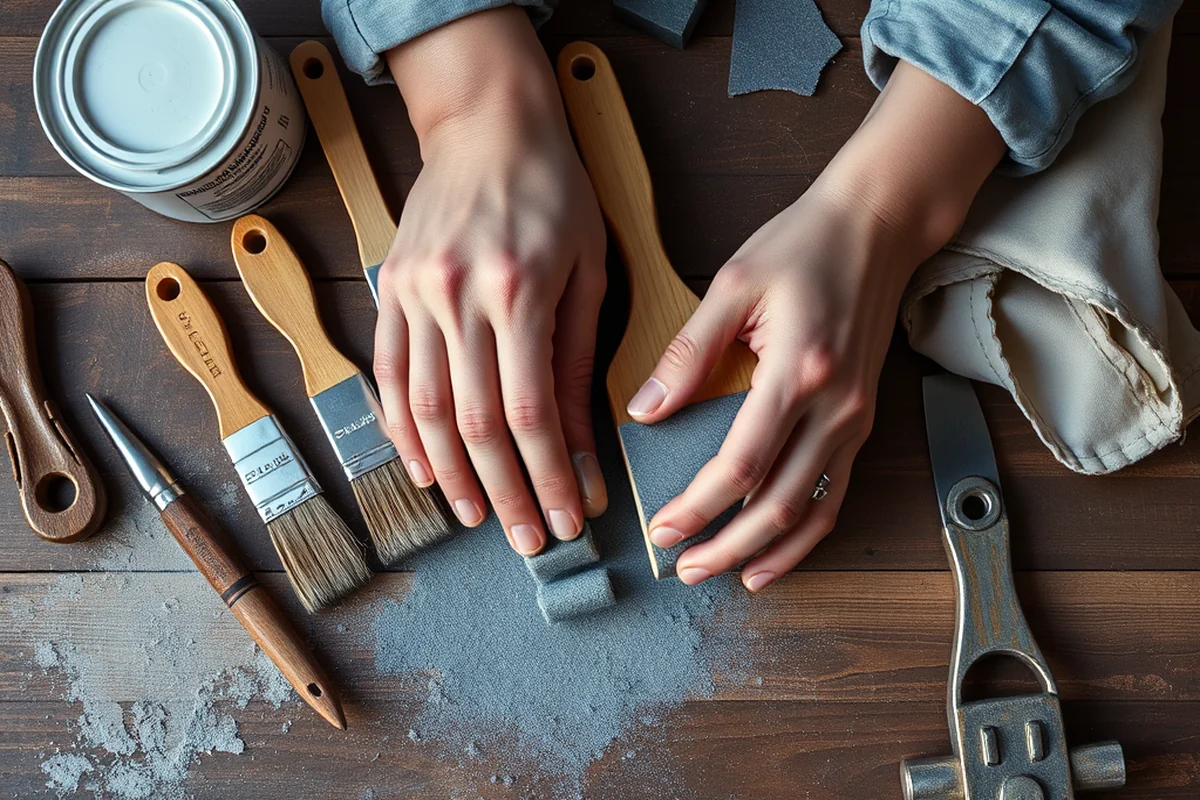
To build a bench table, you’ll need a few basic tools: a saw, drill, measuring tape, and some screws. I always start by cutting the wood to size and assembling the frame. This gives the structure its base and ensures everything is square.
Next, attach the table top to the frame. I use brackets to secure the top and sides, which makes the assembly stronger. It’s also a good idea to sand the edges and apply a coat of paint or sealant after the frame is built.
Once everything is put together, it’s time to add the finishing touches. I always paint or stain the wood before installing the hardware. This not only makes the project look better but also helps protect the wood from the elements.
Related: Top diy wooden yard art
Adding Storage to Your Garden Furniture
If you’re looking for a way to keep your garden organized, adding storage to your furniture is a great idea. I’ve built a few benches with hidden storage compartments, and they’ve been a huge hit with my friends.
To create storage, you’ll need to build a box or compartment and attach it to the side of your bench or table. I use wood panels and hinges to make the compartment open and close easily. It’s a simple addition that makes a big difference.
Another option is to install shelves inside the storage compartment. This allows you to store smaller items like gardening tools, outdoor candles, or even a few magazines. I’ve used this method on several projects, and it’s always been a practical and stylish solution.
Related: What is cheaper wood or chain link fence
Finishing Touches for a Professional Look
Once your table is built, the finishing touches are just as important as the construction itself. I always recommend using a weather-resistant paint or stain to protect the wood. I’ve used both oil-based and water-based finishes, and both have worked well.[3]
Another detail that can make a big difference is the hardware. I prefer using stainless steel screws and brackets because they’re more resistant to rust. It’s a small investment, but it helps your project last longer.
Finally, don’t forget to add some personal touches. A few decorative elements like a garden flag or a small plant can make your table look more inviting. I’ve added these to several projects, and the results have always been worth it.
The little details make all the difference in DIY projects.
Related: Diy wooden garden pathway alternatives
Maintenance and Longevity Tips
One of the most important things you can do to maintain your table is to clean it regularly. I recommend using a soft brush or cloth to remove dirt and debris. This helps prevent the wood from deteriorating over time.[4]
Another tip is to reapply sealant or paint every few years. I’ve found that this helps protect the wood from the sun and rain. I always use a high-quality product that’s designed for outdoor use.
Finally, avoid leaving your table in direct sunlight for extended periods. I’ve noticed that the wood can fade or warp if it’s exposed to too much sunlight. Using a shade cloth or moving the table to a shaded area can help prevent this.
Upcycling Old Furniture for Garden Use
I once turned an old wicker chair into a garden bench by sanding it down, painting it with weather-resistant paint, and adding a cushion. It took me about 3 hours and cost less than $20. The key was to remove any loose parts and reinforce the structure with wood screws. This approach not only gives new life to old furniture but also reduces waste and saves money.
When upcycling, consider the durability of the materials. For example, I used a wood preservative on a reclaimed wooden table to protect it from moisture and insects. It cost around $15 for a 32-ounce bottle and lasted through two seasons. I also added a clear sealant to keep the wood looking fresh. This is a great way to customize your garden furniture to match your style while keeping it functional.
Another idea is to use old doors as garden tables. I mounted an old pine door on four legs made from 2x4s, which cost about $10 for the wood. I sanded the door, applied a coat of exterior paint, and added a glass top for a rustic yet modern look. This project took about 4 hours and turned a forgotten door into a stylish garden table. It's a fantastic way to make your garden space unique and personal.
💰 Budget Build
Use scrap wood and basic hardware to create a functional, low-cost garden table alternative.
⏳ Weekend Version
A simple project that can be completed in a single day with minimal tools and materials.
✨ Upgraded Finish
Add a professional finish with high-quality stain or paint for a polished, long-lasting result.
📏 Small-Space Adaptation
A compact, multi-functional design that’s perfect for small patios or narrow garden areas.
🏠 Rental-Safe Option
A lightweight, non-permanent table alternative that’s easy to move and won’t damage rental properties.
| The mistake | Why it happens | The fix |
|---|---|---|
| Skipping the sealant step. | Without a sealant, the wood will be more prone to rot, warping, and damage from the elements. | Always apply a weather-resistant sealant or paint to protect the wood. |
| Using the wrong type of wood. | Using untreated wood in an outdoor setting can lead to rot and decay much faster than treated or composite wood. | Choose pressure-treated or composite wood for outdoor projects to ensure durability. |
| Ignoring the need for proper support. | A weak frame can cause the table to sag or collapse over time, especially if it’s used frequently. | Use sturdy materials and ensure the frame is properly reinforced with brackets or additional supports. |
| Not measuring accurately. | Inaccurate measurements can lead to uneven pieces, which can be difficult to correct once the project is underway. | Always measure twice and cut once. It’s a small step that can save a lot of time and frustration later. |
Diy Wooden Garden Table Alternatives
Common Questions
What kind of wood is best for outdoor furniture?
How long does it take to build a DIY garden table alternative?
Can I paint or stain my table after building it?
What tools do I need for this project?
References
- (PDF) Design and Fabrication of Multipurpose Portable Wooden Table (academia.edu)
- 6 Landscaping Choices Gardeners Say Are the Hardest to Maintain (agsci.source.colostate.edu)
- Selecting Lumber and Lumber Substitutes for Outdoor Exposures (anrcatalog.ucanr.edu)
- All You Ever Wanted to Know About Classifying Furniture (cbp.gov)
Cite this guide
DIY Wooden Garden Path Markers (2026). Diy Wooden Garden Table Alternatives. https://woodenroot.com/diy-wooden-garden-table-alternatives/
Feel free to cite or share this guide.