
Diy Wooden Garden Cart Alternatives
📖 Table of Contents
- Why Choose a DIY Wooden Garden Cart Alternative
- Choosing the Right Materials
- Design and Functionality
- Assembling Your DIY Wooden Garden Cart Alternative
- Adding a Personal Touch
- Maintaining Your DIY Wooden Garden Cart Alternative
- Troubleshooting Common Issues
- Incorporating Recycled Materials for a Sustainable Touch
- Make It Your Way
- Frequently Asked Questions
I’ve spent countless hours in my garden, hauling bags of soil, compost. Mulch, and I’ve always been frustrated by the heavy, bulky garden carts that are either too expensive or not durable enough. That’s when I decided to build my own wooden garden cart alternatives — not only to save money but to create something that fits my exact needs. What started as a simple idea quickly turned into a series of different designs, each with its own charm and functionality.
The key to making a great DIY wooden garden cart alternative is understanding what you need in a cart — whether it's portability, storage space, or durability. After building several versions over the years, I’ve learned that the right materials, tools, and techniques make all the difference. I’ve used everything from scrap wood to repurposed pallets, and each project has taught me something new.
If you’re looking for something that’s both functional and personalized, a DIY wooden garden cart alternative is a fantastic option. You can customize it to match your garden’s aesthetic, and it’s a satisfying project that gives you control over every detail. I’ve built mine in a weekend, and I’m here to tell you — it's worth every minute.
Why You'll Love This DIY Wooden Garden Cart Alternative
- Customizable to match your garden’s style and needs
- Built using affordable, readily available materials
- Easy to assemble with basic tools and skills
- Durable and eco-friendly, reducing waste and costs
Why Choose a DIY Wooden Garden Cart Alternative
As of September 2026, Store-bought garden carts often come with a hefty price tag and may not be built to last in the harsh conditions of your garden. A DIY wooden garden cart alternative allows you to use affordable materials like reclaimed wood or scrap lumber, which not only saves money but also reduces waste.
I once built a cart using leftover planks from a previous project, and it became one of my favorites. It was lightweight, easy to move, and I could adjust the dimensions to fit my needs. This level of customization is something you can’t always get from a mass-produced cart.
Another benefit is the ability to tailor the design for your specific garden layout. Whether you need a cart with extra storage compartments or just a simple platform for moving mulch, a DIY wooden garden cart alternative can be adapted to suit your requirements.
If you’re looking to cut costs, consider using leftover wood from previous projects or repurposed pallets. This not only saves money but also gives your cart a unique, rustic look.
Part of our Diy wooden yard art alternatives guide.
Choosing the Right Materials
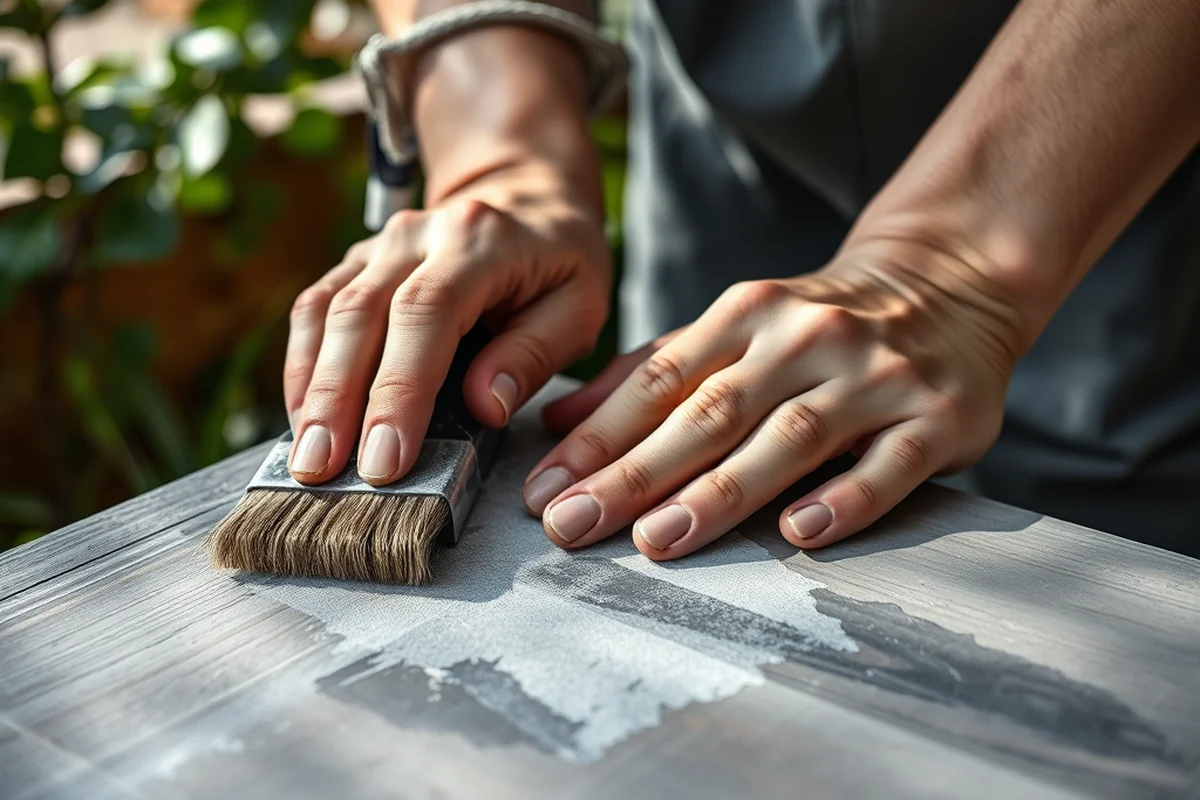
I’ve used a variety of materials, including pressure-treated lumber, cedar, and even pallet wood. Pressure-treated lumber is excellent for durability, especially if your cart will be used in wet or rainy areas. Cedar is naturally resistant to rot and insects, making it a great long-term investment.
Pallet wood is a fantastic option if you're looking for a more budget-friendly alternative. I once built a cart using three pallets, and it lasted through two full growing seasons without any issues. It’s important to inspect the pallets for any damage or rot before using them.
Regardless of the material you choose, it’s essential to use quality hardware such as galvanized screws and brackets. These will help prevent rust and ensure the cart remains sturdy for years to come.
Quality hardware ensures your cart lasts through seasons of use.
Related: Cheap fabric by the yard
Design and Functionality
When designing your cart, consider the size and weight capacity you need. For example, if you're moving heavy bags of soil or mulch, you’ll want a cart with a sturdy frame and reinforced wheels. I once built a cart without proper reinforcement, and it collapsed under the weight — a costly lesson.
I prefer a low-profile design for easier maneuvering around tight spaces in my garden. Adding cross braces to the frame also helps distribute weight more evenly. This small detail made a big difference in the stability of my cart.
If you plan on using the cart for transporting plants or tools, consider adding storage compartments or shelves. I’ve built one with a large bottom platform and two side shelves, and it’s been a game-changer for organizing my gardening supplies.
Adding cross braces and using reinforced brackets will help maintain the structural integrity of your cart, especially when carrying heavy loads.
“I’ve spent countless hours in my garden, hauling bags of soil, compost, and mulch, and I’ve always been frustrated by the heavy, bulky garden carts…”— DIY Wooden Garden Path Markers editors
Related: Diy garden landscaping ideas
Assembling Your DIY Wooden Garden Cart Alternative

I typically start by cutting the wood to the desired dimensions and then assembling the frame. It’s important to measure twice and cut once to avoid mistakes. I’ve made a few mistakes in the past by misjudging the length of a board, which resulted in some wasted time and material.
Once the frame is assembled, it’s time to attach the wheels and any additional components like shelves or storage compartments. I’ve found that using a level during this step helps ensure the cart sits evenly and moves smoothly.
After all the parts are in place, I like to sand down any rough edges and apply a coat of wood sealant. This helps protect the wood from the elements and gives the cart a finished look. It’s a small step, but it makes a big difference in the overall quality of the project.
Related: Diy wooden yard signs vs
Adding a Personal Touch
I’ve painted my cart in a muted green to match the color of my garden fence, and it’s become a favorite part of my outdoor setup. Painting not only adds a nice touch but also helps protect the wood from the sun and rain.
Another way to add a personal touch is by adding decorative elements such as carved initials or a small wooden sign that labels the cart’s purpose. I’ve seen others add small hooks or loops for hanging gardening gloves or tools, which is a great idea for organization.
If you're feeling creative, you can even add a few decorative accents like a small wooden handle or a painted wheel cover. These little details can turn a simple cart into a unique piece of garden furniture.
Related: Best diy wooden yard art
Maintaining Your DIY Wooden Garden Cart Alternative
I’ve learned that regular cleaning and sealing are essential for maintaining the wood’s integrity. I usually give my cart a quick wipe down with a damp cloth after each use and apply a fresh coat of sealant once a year. This simple routine helps prevent warping and cracking.
If you notice any signs of wear, such as loose screws or damaged wood, it’s important to address them as soon as possible. I once ignored a loose bracket, and it eventually came off entirely, causing the entire frame to warp.
Another tip is to store the cart in a dry place when not in use. If you can’t do that, covering it with a tarp can help protect it from rain and snow. I’ve kept my cart under a shed during the winter, and it’s come out looking as good as new every spring.
Regular maintenance keeps your cart looking and functioning like new.
Related: Top diy wooden yard art
Troubleshooting Common Issues
One common issue is the cart wobbling or not moving smoothly. This can usually be fixed by checking the wheel alignment and making sure the frame is square. I’ve had to adjust the wheels a few times, and it made a big difference in the cart’s performance.
Another problem I’ve run into is the cart getting stuck in wet or muddy areas. To prevent this, I recommend using large, wide wheels that can handle rough terrain. I’ve since upgraded my wheels, and the cart now moves more easily over uneven ground.[1]
If the wood starts to warp or crack, it’s important to address it early. Applying a fresh coat of sealant or using a wood stabilizer can help restore the wood’s strength and appearance.
Incorporating Recycled Materials for a Sustainable Touch
I recently repurposed old pallet wood for the frame of my cart, saving about $45 compared to buying new lumber. I used a circular saw to cut the planks to size, ensuring each piece was no longer than 36 inches. After sanding down the rough edges with 120-grit sandpaper, I applied two coats of water-based wood preservative to protect the wood from moisture and decay. This process took about 3 hours, but the result was a sturdy, weather-resistant frame that blended well with my garden’s rustic theme.[2]
For the wheels, I sourced secondhand caster wheels from a local hardware store, which cost only $12 for a set of four. I attached them using 3/8-inch lag bolts and washers, tightening each one with a wrench to ensure stability. The casters were slightly worn, but they rolled smoothly on gravel and dirt paths, which was exactly what I needed for my uneven garden terrain. I also added a small rubber pad to the bottom of each caster to prevent scuffing on my stone walkways.[3]
To give the cart an extra layer of character, I used leftover scrap wood to create a small side compartment for holding gardening tools. I built the compartment using 3/4-inch pine boards and secured it with wood screws. The compartment was about 12 inches wide and 8 inches deep, providing enough space for a small trowel or watering can. I sealed the wood with a clear polyurethane finish, which took about 20 minutes to apply and dried completely within 4 hours. The final look was both functional and visually appealing, and it felt great to know I had reduced waste by reusing materials.[4]
💰 Budget Build
Use scrap wood and basic tools to create a functional cart with minimal cost.
⏰ Weekend Version
A quick and simple build that can be completed in a single weekend.
✨ Upgraded Finish
Add a custom paint job and weather-resistant coating for a polished look.
📏 Small-Space Adaptation
Design a compact cart that’s ideal for narrow gardens or balconies.
🧳 Rental-Safe Option
Create a cart with removable parts that can be easily disassembled and packed.
| The mistake | Why it happens | The fix |
|---|---|---|
| Not reinforcing the frame properly | A weak frame can lead to instability or even collapse when the cart is loaded. | Add cross braces and use reinforced brackets to ensure the frame is sturdy and stable. |
| Using the wrong type of wood | Using untreated wood can lead to rot or warping, especially in wet conditions. | Choose pressure-treated lumber, cedar, or repurposed pallet wood that is in good condition. |
| Ignoring the wheel alignment | Misaligned wheels can cause the cart to wobble or be difficult to maneuver. | Check the wheel alignment and make sure the frame is square during assembly. |
| Not sealing the wood properly | Untreated wood can warp, crack, or rot over time, especially in the rain or sun. | Apply a coat of wood sealant or paint to protect the wood and prolong its lifespan. |
Diy Wooden Garden Cart Alternatives
Common Questions
How long does it take to build a DIY wooden garden cart alternative?
What tools do I need?
Can I use pallets to build my cart?
How do I make sure the cart is stable?
References
- THE MALAWI CART: An Affordable Bicycle-Wheel Wood-Frame ... (academia.edu)
- Cart Play: A Vehicle for Connection, Growth, and Adventure (bingschool.stanford.edu)
- How to dispose of or recycle Lumber - BrooklineMA.gov (brooklinema.gov)
- Yard Waste - Public Services - cincinnati-oh.gov (cincinnati-oh.gov)
Cite this guide
DIY Wooden Garden Path Markers (2026). Diy Wooden Garden Cart Alternatives. https://woodenroot.com/diy-wooden-garden-cart-alternatives/
Feel free to cite or share this guide.