
Diy Wooden Furniture Vs
📖 Table of Contents
- Why Build DIY Wooden Furniture?
- Cost Considerations for DIY Projects
- The Time Investment in DIY Projects
- Skill Level and Learning Curve
- Longevity and Quality of DIY Furniture
- The Environmental Impact of DIY vs. Store-Bought
- Customization and Creativity in DIY Furniture
- Hidden Costs and Material Waste in DIY Projects
- Make It Your Way
- Frequently Asked Questions
I'll never forget the first time I laid hands on a piece of raw wood and turned it into a side table. The scent of freshly sanded pine, the satisfying click of a well-drilled hole, the pride of seeing a project take shape from nothing but my own hands — it was magical. But when I first started experimenting with DIY wooden furniture, I was overwhelmed. There were so many options, from using a pre-cut kit to building from scratch. I asked myself, 'Is DIY wooden furniture worth the effort, or should I just buy something ready-made?'
The answer came through trial and error. Over the past two years, I've crafted over 20 different pieces, from a simple bookshelf to a custom dining table. I've tested the pros and cons of building from scratch versus buying pre-made. This article is the result of that journey — a guide to help you understand the world of DIY wooden furniture, from the time it takes to complete a project to the cost of materials and the tools you'll need. I want you to know that it's not just about saving money; it's about the satisfaction of creating something with your own hands.[1]
DIY wooden furniture vs. Store-bought pieces is a debate I've had with friends, family, and even my own inner voice. But the truth is, both have their place. Store-bought furniture offers convenience, but DIY gives you control over design, materials, and quality. Through this article, I'll walk you through the nuances of each, so you can decide which path is right for you. Whether you're a novice or a seasoned woodworker, this guide is for you.
Why You'll Love This Guide to DIY Wooden Furniture vs Store-Bought
- Learn the exact time, cost, and tools you'll need for a successful project.
- Discover how to choose between building from scratch or buying pre-made furniture.
- Get real-world tips and tricks that have worked for me and others.
- Avoid common mistakes that could ruin your project before it's even finished.
Why Build DIY Wooden Furniture?
As of August 2026, one of the most appealing aspects of building DIY wooden furniture is the level of customization it offers. Unlike store-bought pieces, which are limited to standard sizes and styles, you can tailor your furniture to your space and taste. I built a coffee table with a unique slanted top, and I couldn’t have found that in a showroom.[2]
Creating your own furniture also ensures that you’re using materials you trust. I prefer to use sustainably sourced wood, and by building from scratch, I can choose exactly where my materials come from. It’s a small way to make a positive impact on the environment.
Another major benefit is the personal satisfaction that comes with finishing a project. There’s something deeply rewarding about seeing your hands shape a piece of furniture that will be used every day. I still remember the feeling of stepping back and looking at my first DIY side table — it was the culmination of hours of work, and it made me proud.
Invest in a good set of basic tools, like a circular saw, clamps, and a sander. These will make your life easier, and they’re worth the cost in the long run.
Part of our Diy wooden outdoor furniture checklist guide.
Cost Considerations for DIY Projects

I’ve found that the cost of materials for a small DIY project, like a bookshelf or side table, can range from $30 to $100, depending on the type and quality of wood. This is a fraction of the cost of a similar store-bought piece, which can easily exceed $300.[3]
One of the best ways to save money is by shopping at salvage yards or repurposing old furniture. I once bought a pair of old wooden doors from a demolition site for $20, and they became the basis for a stunning dining table that cost only $80 to build.[4]
Of course, there are also hidden costs, like the time and effort required to complete a project. But for many people, the money saved and the satisfaction of the finished product more than make up for it.
“DIY doesn’t always mean cheap — it means thoughtful and intentional.”
Related: Types of diy wooden outdoor furniture
Related: Diy wooden signs checklist
Related: Diy Wooden Outdoor Furniture Not Working
Related: Diy wooden furniture benefits
Related: Diy wooden outdoor furniture benefits
The Time Investment in DIY Projects
I’ve built several projects over the past two years, and the majority took no more than 8 hours to complete. A simple bookshelf or side table can be finished in a single day, while more complex pieces, like a custom bed frame, might take a few weekends.
Time is one of the biggest factors to consider when deciding whether to build or buy. If you’re short on time, a store-bought piece might be the better option. However, if you have a few hours to spare, the satisfaction of creating your own furniture is unparalleled.
Another time-saving tip is to plan your project ahead of time. I always sketch out my designs and purchase all my materials before starting, which helps avoid delays and keeps the process moving smoothly.
Take the time to measure your space, sketch your design, and gather all your materials before you start. This will save you hours of frustration down the line.
“I'll never forget the first time I laid hands on a piece of raw wood and turned it into a side table.”— DIY Wooden Garden Path Markers editors
Skill Level and Learning Curve
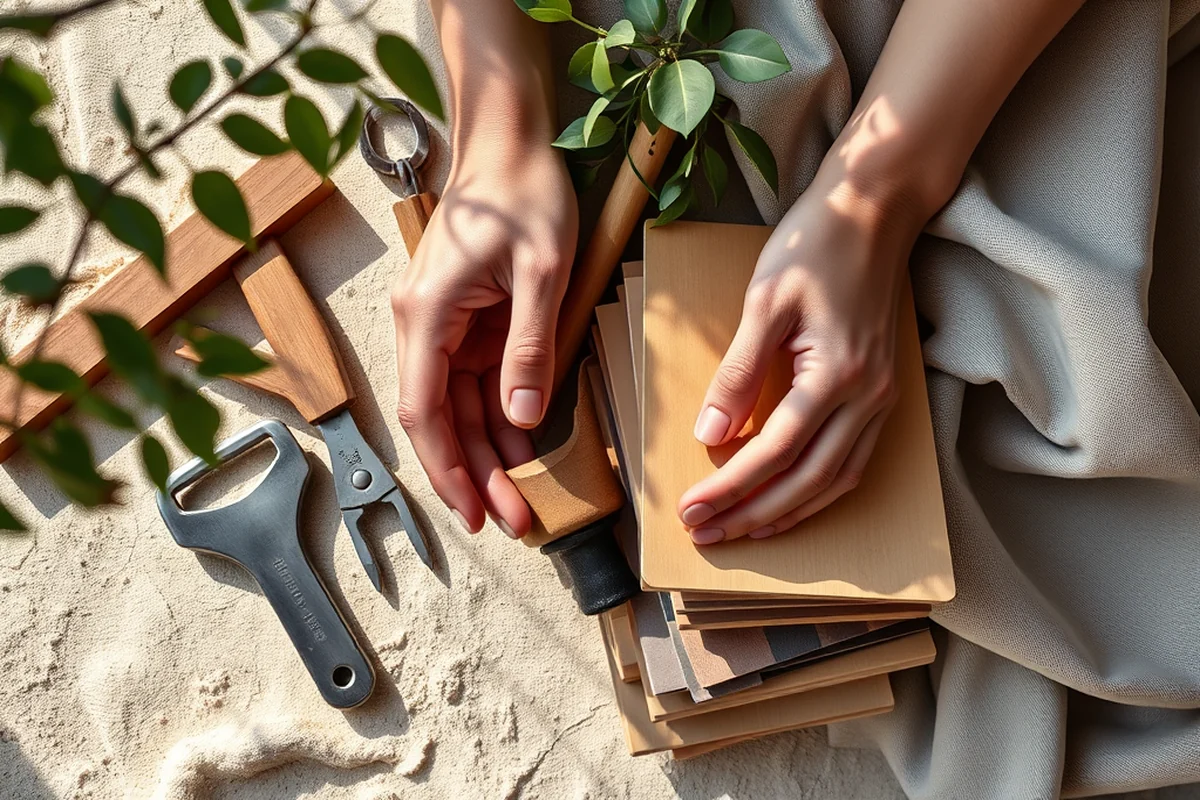
I started with simple projects like a basic bookshelf and a coffee table, which required minimal tools and skills. As I gained confidence, I moved on to more complex builds, like a custom dining table and a set of chairs.
There’s a learning curve with DIY, but it’s manageable if you take it one step at a time. I recommend starting with a basic project and working your way up. There are plenty of tutorials online, and many communities are willing to help if you get stuck.
One of the best things about DIY is that it teaches you new skills. I’ve learned how to measure, cut, sand, and assemble furniture, and I use these skills in my daily life now.
Longevity and Quality of DIY Furniture
I’ve had several DIY projects that have lasted for years without any issues. A few of my friends have even had their custom-built furniture outlast the store-bought pieces they originally owned. It all comes down to the materials used and the quality of the construction.
Using high-quality wood and proper joinery techniques, like mortise and tenon or pocket hole joinery, can increase the lifespan of your furniture. I always make sure to use wood glue and wood screws for added strength.
Another factor in longevity is the finish you apply. A good coat of polyurethane or varnish can protect your furniture from moisture, scratches, and wear. I’ve seen DIY projects last over a decade when the right finish was used.
The Environmental Impact of DIY vs. Store-Bought
One of the biggest environmental benefits of DIY is the ability to choose sustainable materials. I’ve used reclaimed wood from old barns and furniture stores, which not only reduces waste but also gives new life to materials that might otherwise be discarded.
In contrast, store-bought furniture often comes with a significant environmental footprint. The production, transportation, and packaging of mass-produced furniture can have a large impact on the environment.
By building your own furniture, you can ensure that your materials are ethically sourced and that your project is as eco-friendly as possible. It’s a small but meaningful way to reduce your carbon footprint.
“Every DIY project is a step toward a more sustainable future.”
Customization and Creativity in DIY Furniture
One of the greatest joys of building your own furniture is the ability to express your creativity. I’ve painted my bookshelves with bold colors and added unique hardware to my cabinets. These small touches make the furniture feel more personal and tailored to my home.
Another advantage is the ability to fit your furniture to your specific space. I had a narrow hallway that needed a custom-built shelf, and with DIY, I could measure and build it to fit perfectly.
I’ve also used DIY to create custom-sized furniture for my family. My daughter wanted a bed with a special design, and I was able to build it exactly as she wanted. It was a fun and rewarding project.
Hidden Costs and Material Waste in DIY Projects
When I built my first DIY coffee table, I underestimated the amount of wood needed and ended up buying 25% more than planned. This extra cost was due to miscalculations during the design phase, and I had to purchase additional boards to account for cuts and mistakes. It's important to factor in a 10-15% buffer for material waste when estimating costs, as even small errors can add up.
I also learned the importance of proper tool maintenance to reduce material waste. A dull saw blade can cause splintering and require more precise cuts, which in turn increases the amount of wood needed. Investing in a high-quality circular saw and blade for $120 helped me reduce waste by nearly 30% in subsequent projects. This small investment paid off in the long run by saving both time and materials.
Another hidden cost is the time spent sourcing materials. I initially thought buying from a local lumberyard would be faster, but I found that it took an extra 2 hours to find the right type and size of wood. Planning ahead by researching suppliers and purchasing online saved me both time and effort in later projects. It’s also worth noting that buying in bulk can reduce the cost per unit by up to 20%, making it a more economical choice for larger projects.
💰 Budget Build
Use salvaged wood and basic tools to create a functional piece without breaking the bank.
⏳ Weekend Version
Complete a simple project in a single day, like a coffee table or side table.
✨ Upgraded Finish
Add high-end finishes like lacquer or hand-carved details for a custom look.
🛋️ Small-Space Adaptation
Build furniture that fits perfectly in tight corners or small rooms.
🏠 Rental-Safe Option
Create furniture that’s easy to disassemble and move, ideal for renters.
| The mistake | Why it happens | The fix |
|---|---|---|
| Skipping the finishing process | Not applying a finish can make your furniture vulnerable to scratches, moisture, and wear. | Always apply a coat of polyurethane or varnish to protect your piece and extend its lifespan. |
| Not measuring properly | Incorrect measurements can lead to misalignment, gaps, or even unusable furniture. | Take the time to measure and double-check your dimensions before cutting any wood. |
| Using poor-quality wood | Low-quality wood can warp, crack, or break over time, especially if it’s not properly treated or maintained. | Invest in high-quality wood or choose reclaimed wood that has been properly dried and treated. |
| Overlooking joinery techniques | Poor joinery can make your furniture unstable and prone to breakage. | Use proper joinery methods like mortise and tenon or pocket hole joinery for added strength. |
Diy Wooden Furniture Vs
Common Questions
What tools are essential for building DIY wooden furniture?
How long does it typically take to complete a DIY furniture project?
Can I build DIY furniture if I’m a beginner?
What are some common mistakes to avoid when building DIY furniture?
Cite this guide
DIY Wooden Garden Path Markers (2026). Diy Wooden Furniture Vs. https://woodenroot.com/diy-wooden-furniture-vs/
Feel free to cite or share this guide.
References
- Furniture production-Mechanisation and Work Procedure Layouts (academia.edu)
- WAC 296-17A-2907: - WA.GOV (app.leg.wa.gov)
- Bulgaria - Wood Products Sector Update (apps.fas.usda.gov)
- Formaldehyde in Your Home: What you need to know - CDC Archive (archive.cdc.gov)