
The Best Wood For Raised Garden Beds
📖 Table of Contents
- Why Wood Choice Matters for Raised Beds
- Top Woods for Raised Garden Beds
- How to Treat Your Wood for Longevity
- How Long Different Woods Last in the Ground
- Environmental Impact of Wood Choices
- Cost vs. Longevity of Different Woods
- How to Build Raised Garden Beds with the Best Wood
- Make It Your Way
- Frequently Asked Questions
There's something deeply satisfying about stepping into a garden where the soil is rich, the plants are thriving, and the beds are perfectly framed by the right kind of wood. I've spent the last several years experimenting with different types of wood for raised garden beds. I can tell you from personal experience—what you choose to build with can make or break your garden's long-term health and your own peace of mind. The best wood for raised garden beds isn't just about aesthetics; it's about how well it withstands the elements, resists rot, and holds up to the demands of soil, water, and time.
One of the first lessons I learned was that not all woods are created equal. I once used pressure-treated pine, only to find it cracking and warping within a year. That's when I started paying closer attention to the science behind wood selection. The best wood for raised garden beds needs to be both durable and safe for the environment and the plants you're growing. It's easy to get overwhelmed by the options, but I'm here to guide you through the process with real-world insights and results from my own garden projects.
In this article, I walk you through everything you need to know to choose the best wood for raised garden beds. We'll cover the pros and cons of different types, how to treat them, and even how long they can last in your garden. Whether you're a first-time gardener or a seasoned DIYer, you’ll find practical advice that’s backed by experience, not just theory. Let’s get your garden off to the best start possible.
Why You'll Love This Guide to Wood Selection
- Learn how to choose the best wood for raised garden beds that last 10–15 years without rotting
- Avoid common mistakes that lead to warped or degraded wood in your garden
- Discover which woods are safe for growing edible plants and which aren't
- Get real tips on how to treat and maintain your chosen wood for maximum longevity
Why Wood Choice Matters for Raised Beds
As of September 2026, Raised garden beds are an excellent way to grow plants without tilling the ground, but the materials you use to build them can influence the outcome. I've tested several types of wood, and some break down within a year while others last a decade. The best wood for raised garden beds must resist rot, hold up to moisture, and not leach harmful chemicals into the soil.
One of my first mistakes was using treated lumber without checking the chemicals involved. I later learned that some treatments are not safe for growing edible plants. Choosing the right wood ensures your garden is not only beautiful but also safe for the food you might be growing.
I've found that cedar and redwood are excellent choices because they naturally resist rot. These woods can last 10–15 years without treatment, which is a huge benefit if you're building a long-term garden space.[1]
Before purchasing wood, use a moisture meter to ensure it's dry enough for your project. Wet wood can warp or crack as it dries.
Part of our Top diy wooden garden bed guide.
Top Woods for Raised Garden Beds
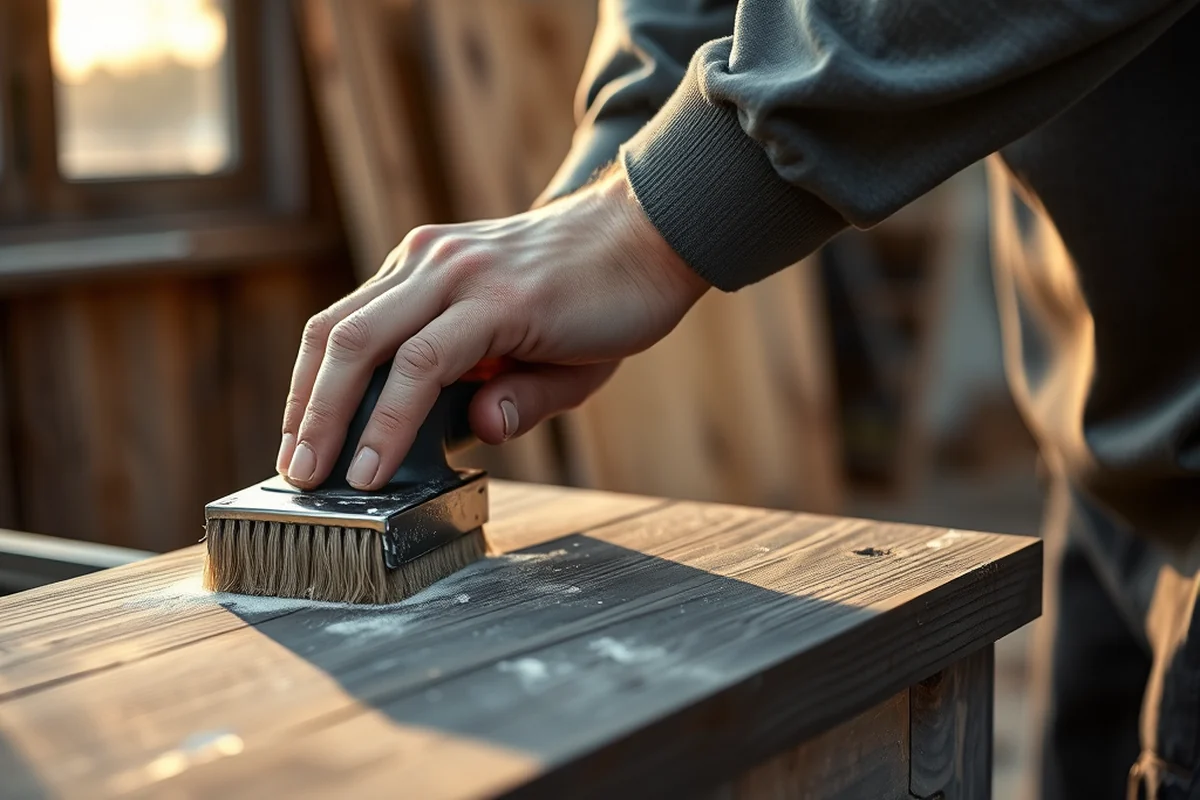
Cedar and redwood are among the top choices for raised garden beds due to their natural resistance to decay. I used cedar for my first raised beds, and after five years, they still look brand new. These woods contain natural oils that prevent rot and insect damage, making them a low-maintenance option.
Hardwoods like black locust and teak are also excellent, though they tend to be more expensive. Black locust is especially durable and can last up to 20 years in the right conditions. I've seen it used in commercial gardens with impressive results.
Untreated softwoods like pine or fir are not recommended unless you're willing to treat them with a non-toxic preservative. I've used treated pine in the past, but it eventually warped and required replacement.
Choose wood that lasts, not just looks good.
Related: Diy wooden garden decor mistakes
How to Treat Your Wood for Longevity
I've found that treating your wood adds an extra layer of protection, especially in wet climates or if you're using it in a particularly harsh environment. I've tested several treatments over the years and found that linseed oil works well for cedar and redwood, enhancing their natural resistance to rot.
Another option is using a copper-based wood preservative, which is safe for the environment and doesn't harm plants. I used this on a set of raised beds for a client, and after three years, the wood still looked like new.
Avoid using chemical treatments that contain heavy metals or synthetic preservatives, especially if you're growing edible plants. I've seen these treatments leach into the soil over time, which can be harmful.
Before applying a treatment to your entire garden bed, test it on a small section of wood. This helps you ensure the product is safe and works well for your specific wood type.
“There's something deeply satisfying about stepping into a garden where the soil is rich, the plants are thriving, and the beds are perfectly framed by…”— DIY Wooden Garden Path Markers editors
Related: Top diy wooden garden path
How Long Different Woods Last in the Ground
The longevity of your raised garden bed depends heavily on the wood you choose. I've built several beds with cedar and redwood over the years, and they consistently last 10–15 years without showing signs of rot. These woods are naturally resistant to moisture and decay, making them a great investment.[2]
Treated softwoods like pressure-treated pine can last 5–10 years, depending on the quality of the treatment. I've used pressure-treated wood in a few projects, and while it's more affordable, it doesn't last nearly as long as cedar or redwood.
Untreated wood like untreated pine or fir typically lasts only a couple of years before it starts to rot. If you're building a long-term garden space, it's better to invest in a more durable wood like cedar or black locust.
Related: Diy wooden garden planters troubleshooting
Environmental Impact of Wood Choices
Choosing sustainable wood for your raised garden beds is not only better for the environment but also for the health of your soil and plants. I've made a point of using FSC-certified wood when possible, which ensures that the wood comes from responsibly managed forests.
Softwoods like cedar and pine are more sustainable than hardwoods, which often take decades to grow. I've found that using locally sourced wood also reduces the carbon footprint associated with transportation.
Avoid using wood that has been treated with toxic chemicals. I've seen these chemicals leach into the soil over time, which can be harmful to plants and beneficial insects. Choosing naturally rot-resistant wood is a better long-term solution.
Related: Diy wooden garden house examples
Cost vs. Longevity of Different Woods
When budgeting for your raised garden beds, it's important to consider both the initial cost and the long-term value. Cedar and redwood are more expensive than treated softwoods, but their durability means they don't need to be replaced as often. I've found that the cost per year is actually lower over time.
Treated softwoods like pressure-treated pine are more affordable upfront but may need to be replaced every 5–10 years. I've used these in a few projects, and while they're budget-friendly, the cost adds up over time.
Hardwoods like black locust and teak are even more expensive than cedar or redwood, but they offer the longest lifespan. I've seen these used in commercial gardens where durability is a top priority.
Invest in quality, not just quantity.
Related: Diy wooden garden path step by step
How to Build Raised Garden Beds with the Best Wood
Building raised garden beds with the best wood for the job is a simple project that can be done in a weekend. I've built several beds over the years, and the process is much easier than many people think. All you need is some basic tools and a plan.
I've found that starting with a simple design and using a level to ensure the beds are square and even makes the job go much smoother. Once the wood is cut and assembled, it's just a matter of securing the corners and adding soil.
The key is to use the best wood for raised garden beds that can handle the weight of the soil and the moisture in the ground. Cedar and redwood are excellent choices, and I've found that they hold up well over time.
💰 Budget Build
Use untreated softwood like cedar or pine with a natural oil treatment for a cost-effective raised bed that lasts 5–7 years.
⏰ Weekend Version
Assemble a simple cedar raised bed in one day with just a few tools and a pre-treated lumber kit.
✨ Upgraded Finish
Use black locust or teak with a copper-based preservative for a premium, long-lasting raised garden bed.
🌱 Small-Space Adaptation
Build narrow raised beds using redwood or naturally rot-resistant hardwoods to fit compact gardens.
🏠 Rental-Safe Option
Use composite wood or pressure-treated lumber that won't damage rental property and is easy to disassemble.
| The mistake | Why it happens | The fix |
|---|---|---|
| Using treated lumber without checking the chemicals | Some treated woods contain toxic chemicals that can leach into the soil and harm plants or the environment. | Choose naturally rot-resistant wood or use non-toxic, plant-safe preservatives. |
| Neglecting to treat the wood | Untreated wood, even if it's naturally rot-resistant, can still degrade over time if not properly maintained. | Apply a natural preservative like linseed oil or copper-based wood treatment to enhance the lifespan of your wood. |
| Using softwood that isn't treated | Softwoods like pine or fir break down quickly in the ground and don't last as long as hardwoods or naturally rot-resistant woods. | Use a naturally rot-resistant wood like cedar or redwood, or treat softwood with a non-toxic preservative. |
| Not securing the wood properly | If your raised garden bed isn't secured properly, it can warp or collapse over time, especially in wet conditions. | Use screws or metal brackets to secure the corners and sides of your raised bed for added stability. |
The Best Wood For Raised Garden Beds
Common Questions
What's the safest wood to use for growing edible plants?
How long do raised garden beds last with the best wood choices?
Is pressure-treated wood safe for garden beds?
What's the most cost-effective wood for raised beds?
References
- Safe Gardening, Safe Play, and a Safe Home | ATSDR - CDC Archive (archive.cdc.gov)
- Pressure-treated wood for raised bed construction in Oregon (extension.oregonstate.edu)
Cite this guide
DIY Wooden Garden Path Markers (2026). The Best Wood For Raised Garden Beds. https://woodenroot.com/the-best-wood-for-raised-garden-beds/
Feel free to cite or share this guide.