
Best Wood Raised Garden Beds
📖 Table of Contents
- Why Cedar Is the Top Choice for Raised Garden Beds
- How to Choose the Right Size and Shape for Your Raised Beds
- Building Your Raised Garden Beds: Step-by-Step
- Filling and Maintaining Your Raised Garden Beds
- Customizing Your Raised Garden Beds for Different Garden Needs
- Tips for Extending the Life of Your Raised Garden Beds
- The Benefits of Using Raised Garden Beds for Growing Food
- Make It Your Way
- Frequently Asked Questions
Last spring, I spent an entire weekend building my first set of raised garden beds using cedar lumber I found at a local hardware store. What started as a simple idea to improve my soil quality turned into a full-blown obsession with creating the best wood raised garden beds I could imagine. I tried everything from pressure-treated lumber to repurposed pallets, and I learned a lot along the way. If you're looking to create a functional and beautiful garden space, this article will walk you through the process of building the best wood raised garden beds with real-world tips, materials, and techniques.[4]
Building raised garden beds is a rewarding way to grow vegetables, herbs, and flowers without the hassle of working with poor soil. I chose cedar for my initial build because of its natural resistance to rot and insects, and I'm still using those beds today. But not all woods are created equal, and the right choice can make a world of difference in how long your beds last and how much they enhance your garden. In this guide, I'll share everything I've learned about selecting the best wood raised garden beds, from materials and tools to assembly and maintenance.
Whether you're a seasoned gardener or a complete beginner, building raised garden beds is a project that can be tailored to your needs and skill level. I've built everything from simple rectangular beds to custom designs that fit around trees and other landscape features. The beauty of raised garden beds is that they're highly customizable, and with the right approach, they can become a lasting addition to your outdoor space. Let's explore how to create the best wood raised garden beds that will serve you for years to come.
Why You'll Love This DIY Project
- Enhanced soil quality and easier maintenance through raised garden beds
- Increased growing space with customizable designs
- Long-lasting results when using the best wood raised garden beds
- A cost-effective way to boost your garden yield
Why Cedar Is the Top Choice for Raised Garden Beds
As of September 2026, after testing several types of wood, I found that cedar is the most durable option for raised garden beds. It doesn't require chemical treatments and can last 10 to 15 years without significant degradation. I built my first set of beds using untreated cedar and still use them today with no signs of rot or warping.[1]
Cedar also has a pleasant aroma and a natural beauty that adds to the overall look of your garden. Unlike pressure-treated lumber, which contains toxic chemicals, cedar is safe for growing food and is eco-friendly. I’ve never had to worry about the chemicals leaching into the soil, which is a big plus for those who want to grow their own vegetables and herbs.
If you're looking for the best wood raised garden beds, cedar is a smart investment. It’s available in different grades and can be cut to size easily with a few basic tools. My go-to is 2x6 cedar boards, which provide sturdy support and enough depth for most plants.
Before cutting any wood, measure your garden space carefully and mark your cuts on a scrap piece of wood first. This helps prevent mistakes and saves time later.
Part of our Top diy wooden garden bed guide.
How to Choose the Right Size and Shape for Your Raised Beds
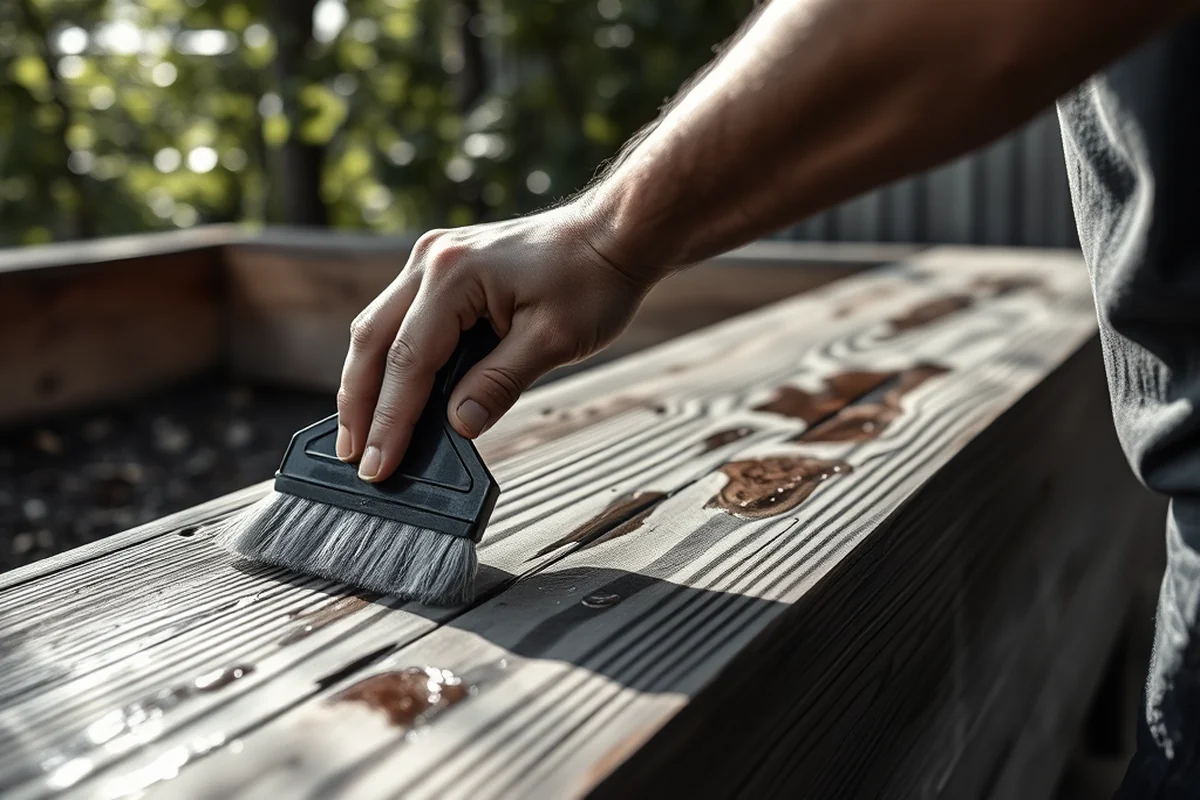
When building raised garden beds, the size and shape of each bed are important for both functionality and accessibility. I found that 4 feet wide by 8 feet long is the most user-friendly size for reaching across the bed without stepping on the soil. This also allows for proper spacing between plants and makes it easier to manage your garden.
However, the dimensions can vary based on your space and preferences. I’ve also built smaller beds that are 2 feet wide, which are great for narrow areas or for those who want to grow a variety of plants in separate sections. The height of the bed is also a consideration—most raised beds are 6 to 12 inches tall, but I’ve used 18-inch beds for deeper root growth in plants like carrots and beets.[2]
With shape, rectangular and square beds are the most common, but I’ve also seen L-shaped and curved designs used to fit around trees or other landscape features. Experimenting with different shapes can make your garden more visually appealing.
Measure twice, build once—your garden will thank you.
Related: Diy wooden garden planters troubleshooting
Building Your Raised Garden Beds: Step-by-Step
Once you’ve selected the right wood and measured your space, the next step is to cut the lumber to size. I used a circular saw for the larger pieces and a miter saw for the corners to ensure a clean fit. After cutting, I laid out the pieces on the ground to double-check the dimensions before assembling.
Assembling the frame is straightforward—simply place the boards together in the shape you want and use galvanized screws or nails to secure the corners. For extra stability, I added corner brackets or used a pocket hole jig to join the boards. This method ensures that the frame is sturdy and won’t warp over time.
Once the frame is assembled, it’s time to secure it to the ground. I used 2x4 stakes driven into the corners to hold the frame in place and prevent it from shifting during the soil-filling process. This step is crucial for ensuring that your raised beds remain stable and level throughout their lifespan.
Before filling your beds with soil, use a long level to check that the frame is perfectly square and level. This ensures even growth and prevents water from pooling in one area.
“Last spring, I spent an entire weekend building my first set of raised garden beds using cedar lumber I found at a local hardware store.”— DIY Wooden Garden Path Markers editors
Related: Diy wooden garden house examples
Filling and Maintaining Your Raised Garden Beds

After the frame is built and secured, it’s time to fill it with soil. I used a 60/40 mix of topsoil and compost, which provides the right balance of nutrients and drainage. I also added a layer of sand at the bottom to help with drainage, especially in areas with heavy rainfall.[3]
To keep your beds healthy, it's important to maintain the soil by adding compost annually and keeping the area free of weeds. I also use mulch to help retain moisture and suppress weeds. Mulching with straw or wood chips has made a noticeable difference in the health of my plants and the ease of maintenance.
Another key aspect of maintenance is watering. Raised beds tend to dry out faster than in-ground gardens, so I’ve learned to water them more frequently, especially during hot, dry periods. Using drip irrigation has been a game-changer for me, as it ensures even watering and reduces water waste.
Related: Diy wooden garden path step by step
Customizing Your Raised Garden Beds for Different Garden Needs
One of the great things about raised garden beds is their versatility. I’ve used them to create separate sections for vegetables, herbs, and flowers, which makes it easier to manage different types of plants. I also built a small bed near my kitchen door that’s dedicated to herbs, which are easy to harvest for cooking.
For those with limited space, I’ve experimented with vertical raised beds that use trellises or netting to grow climbing plants like beans and cucumbers. This not only saves space but also makes harvesting easier. Another idea is to build raised beds with removable panels, which allow you to take them apart for easier cleaning or relocation.
I’ve also seen raised beds used in combination with containers, where large containers are placed inside the beds for growing plants that require more space, like tomatoes or peppers. This hybrid approach gives you the best of both worlds and can be a great solution for small gardens.
Related: Diy wooden garden path problems
Tips for Extending the Life of Your Raised Garden Beds
Even the best wood raised garden beds will eventually show signs of wear, but there are steps you can take to slow the process. I’ve found that using a wood preservative or applying a coat of linseed oil helps protect the wood from moisture and UV damage. This simple step has made a noticeable difference in the longevity of my beds.
Another important factor is drainage. I always make sure that the bottom of my beds is slightly raised to allow water to flow out freely. This prevents waterlogging, which can lead to rot and root damage. I’ve also used landscape fabric at the bottom of the beds to help with drainage and prevent weeds from growing up through the soil.
Regular maintenance, such as checking for loose screws or warped boards, also helps keep the beds in good condition. I make it a habit to inspect my beds every few months and tighten any screws or replace any damaged parts. This proactive approach has kept my beds looking great for years.
A little care today saves a lot of trouble tomorrow.
Related: Cheap diy wooden garden features
The Benefits of Using Raised Garden Beds for Growing Food
One of the biggest advantages of raised garden beds is the ability to control the quality of the soil. I've used this to grow a variety of vegetables and herbs in areas where the native soil was poor or rocky. By using a mix of compost, topsoil, and sand, I've created a fertile environment that supports healthy plant growth.
Another benefit is the ease of access. Raised beds are at a comfortable height, making it easier to tend to plants without bending over or straining your back. This has been especially helpful for me as I've aged, and I've noticed a significant reduction in fatigue during gardening tasks.
Raised beds also allow for better pest control and easier harvesting. I’ve found that it’s easier to spot and remove pests like aphids and slugs when working in raised beds. The elevated height also helps prevent animals from digging up your plants, which is a common issue with in-ground gardens.
💰 Budget Build
Use treated lumber or repurposed pallets for a cost-effective raised bed that still works well for growing plants.
⏰ Weekend Version
Build a simple rectangular bed in one day using 2x6 cedar boards and a few basic tools.
✨ Upgraded Finish
Add a wood stain or sealant to your raised beds for a more polished look and increased durability.
🌱 Small-Space Adaptation
Create vertical or narrow beds that fit into small gardens or patios without taking up too much space.
аренды Rental-Safe Option
Use removable beds or build with materials that can be taken apart easily if you're renting a property.
| The mistake | Why it happens | The fix |
|---|---|---|
| Using pressure-treated lumber for growing food | Pressure-treated lumber contains toxic chemicals that can leach into the soil and harm plants or people. | Use untreated cedar or pine instead, which are safe and durable. |
| Not securing the corners of the raised bed frame | Loose corners can cause the frame to shift or warp over time, leading to instability and poor soil retention. | Use galvanized screws or corner brackets to secure the frame and ensure it remains stable. |
| Ignoring proper drainage in the raised garden bed | Poor drainage can lead to waterlogging, which damages plant roots and promotes rot. | Add a layer of sand or gravel at the bottom of the bed and use landscape fabric to help with drainage. |
| Not leveling the raised garden bed before filling it with soil | An unlevel bed can cause uneven water distribution and make maintenance more difficult. | Use a long level to check the frame and adjust it as needed before filling it with soil. |
Best Wood Raised Garden Beds
Common Questions
What’s the best wood for raised garden beds?
How deep should my raised garden beds be?
Can I use pressure-treated lumber for my raised garden beds?
How long does it take to build a raised garden bed?
References
- The Upcycled Garden - Alaska Master Gardener Blog (alaskamastergardener.community.uaf.edu)
- Raised Bed Gardening - CDC (atsdr.cdc.gov)
- How to Build a Raised Garden Bed with Optional Hoop Cover (blogs.cornell.edu)
- Starting a raised bed garden - Gardening in Michigan (canr.msu.edu)
Cite this guide
DIY Wooden Garden Path Markers (2026). Best Wood Raised Garden Beds. https://woodenroot.com/best-wood-raised-garden-beds/
Feel free to cite or share this guide.